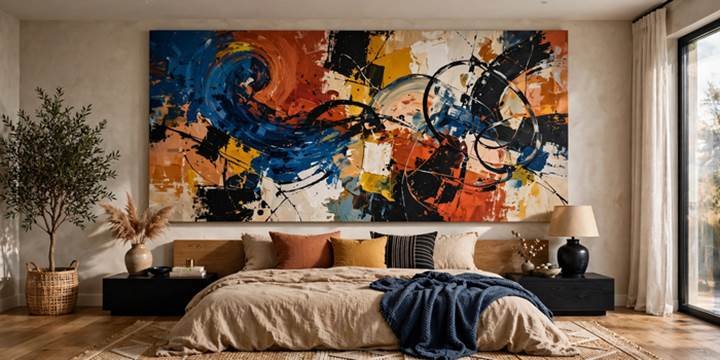
16 Trending Bedroom Painting Ideas
Bedroom painting ideas can change how a room looks, feels, and even sleeps, all for the price of a few gallons. A fresh coat softens harsh light, hides dull corners, and sets the mood before you touch a single pillow. This guide gathers 15 looks that work in real American bedrooms, from small city apartments to sprawling suburban suites. You’ll find color, finish, and technique advice, plus a quick comparison table, honest cost breakdowns, and answers to common questions.
Why Paint Is Leading Bedroom Refreshes
Paint remains the fastest, friendliest way to update a bedroom, and American homeowners are getting bolder with it. Among current bedroom painting ideas, earthy greens, warm clay tones, and inky blues are replacing years of cool gray. Textured finishes like limewash and color drenching, where walls, trim, and ceiling share one shade, are gaining ground too. People want calm, cocooning rooms that feel personal, and a well-chosen color delivers that mood without a big renovation budget.
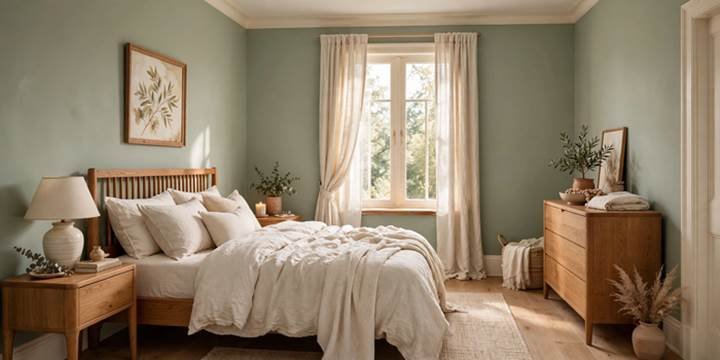
1. Soft Sage Green Walls
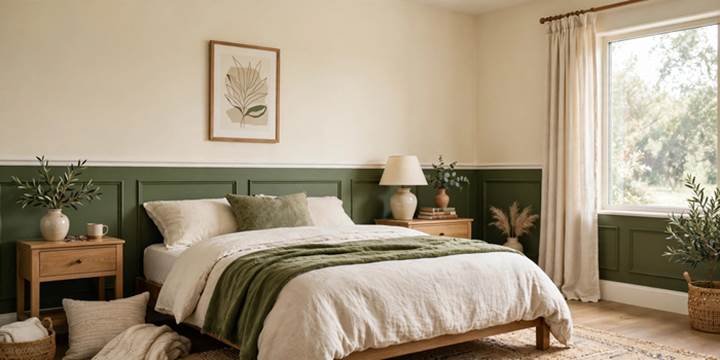
Sage green is the calm, grounded neutral that many bedrooms have been missing. Its gray green softness echoes leaves and morning fog, which helps the room feel restful. Pair sage green paint with warm white trim, natural oak furniture, and cream linen bedding. The color shifts gently from morning to evening, looking fresh in daylight and cozy under lamps. It also flatters both traditional and modern spaces, so you can change your decor later without repainting.
2. Deep Navy Blue Cocoon
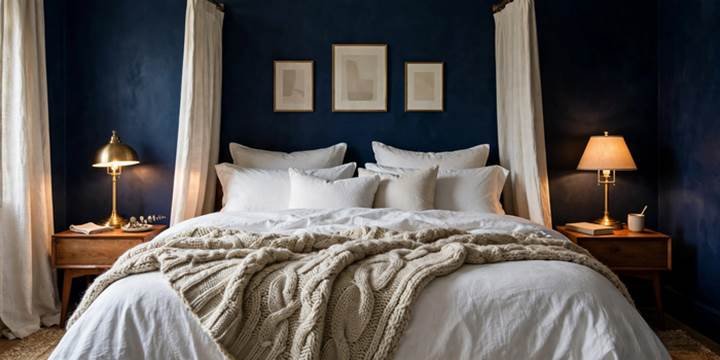
Navy paint turns a bedroom into a snug, hotel worthy retreat. Its depth makes walls recede and softens the edges of a room, especially at night. Choose a matte or eggshell finish so the color looks velvety rather than shiny. Deep navy walls look striking with crisp white bedding, brass lamps, and a woven wool throw. In rooms with strong natural light, navy feels rich and steady. In dim rooms, add warm bulbs so it never turns gloomy.
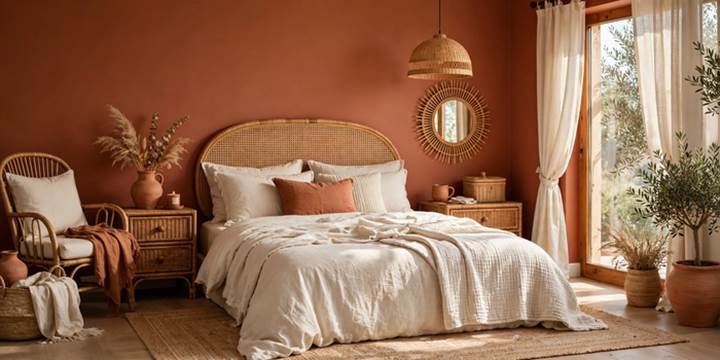
3. Warm Terracotta and Clay Tones
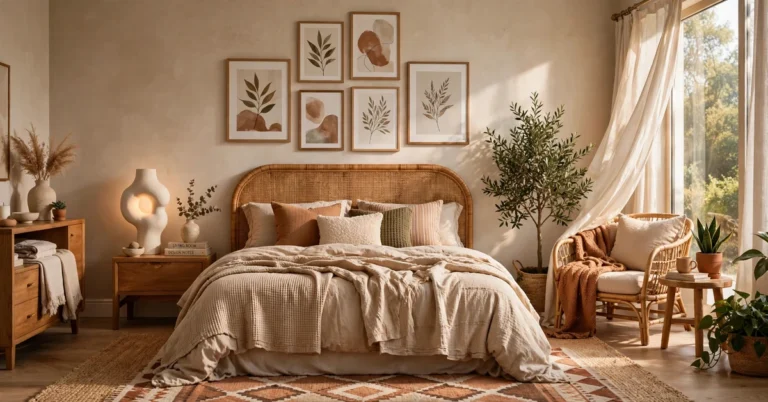
Terracotta brings the glow of a desert sunset into your bedroom. These sunbaked pinks and oranges feel warm, earthy, and surprisingly soothing when kept slightly muted. Use warm terracotta paint on all four walls or just behind the bed for a gentler dose. Pair it with rattan, cream linen, and dried pampas grass for a relaxed, sunlit mood. The shade also plays beautifully with wood floors, making evening rooms feel like they’re wrapped in golden light.
4. Limewash Paint Finish
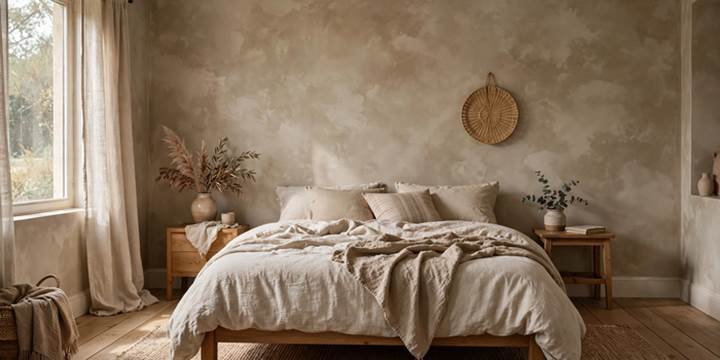
Limewash creates soft, cloudy walls that look like aged plaster. The mineral based paint dries with gentle, brushed variation, so no two walls look identical. It suits Mediterranean, Japandi, and modern organic bedrooms especially well. Apply a lime wash finish in crisscrossed strokes with a wide brush, and expect subtle movement rather than flat color. Muted whites, warm taupes, and pale clay tones feel timeless. The finish is breathable, matte, and full of quiet character that flat paint simply cannot match.
5. Statement Accent Wall
An accent wall gives you a bold color moment with far less commitment. Paint the wall behind your headboard in a deeper shade, such as forest green, plum, or charcoal, and keep the other walls soft and light. Among the easiest bedroom painting ideas, this accent wall paint approach anchors the bed and draws the eye. Choose a color already present in your bedding or art, so the whole room feels connected and intentional.
To read more trending bedroom ideas.
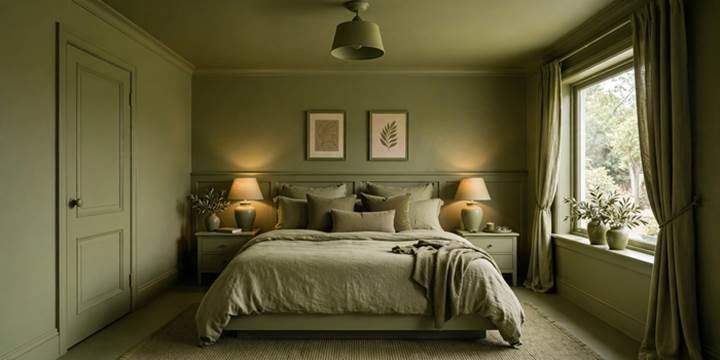
6. Color Drenching
Color drenching wraps walls, trim, doors, and sometimes the ceiling in one single shade. The unbroken color makes a room feel enveloping and unexpectedly elegant. It works with almost any hue, from pale oatmeal to deep olive. Vary the sheen for depth: matte on walls, satin on trim. A color drenched bedroom hides architectural quirks, blurs awkward corners, and makes furniture pop. Keep bedding and accessories in contrasting textures rather than contrasting colors to preserve the seamless effect.
7. Two Tone Wainscoting Paint
Two tone walls add architecture without heavy construction. Paint the lower third of the wall in a deeper color, then top it with a soft, lighter shade, separating them with a chair rail or painted line. This two tone wall paint technique protects lower walls from scuffs and adds a custom, tailored feel. Try moss green below with cream above, or navy under pale gray. It suits traditional, cottage, and modern farmhouse bedrooms alike.
8. Painted Ceiling Accent
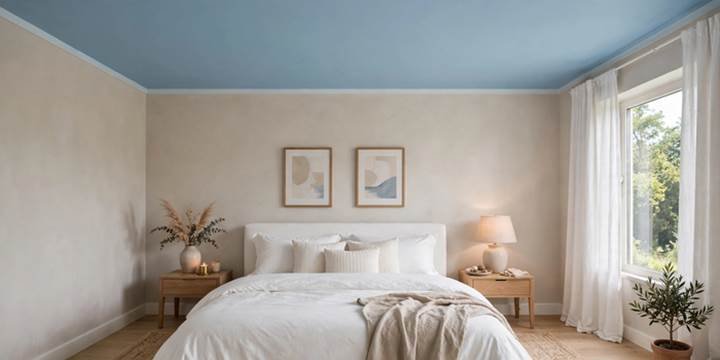
The ceiling is the most overlooked surface in any bedroom. Painting it a soft sky blue, warm blush, or deep charcoal instantly changes the mood of the entire space. Since you spend much of your time lying down, the view matters. A painted ceiling feels intimate and finished, especially when walls stay quietly neutral. Choose a flat finish to hide flaws and reduce glare, and use a paint extender if you need more time for smooth application.
9. Painted Arch Behind the Bed
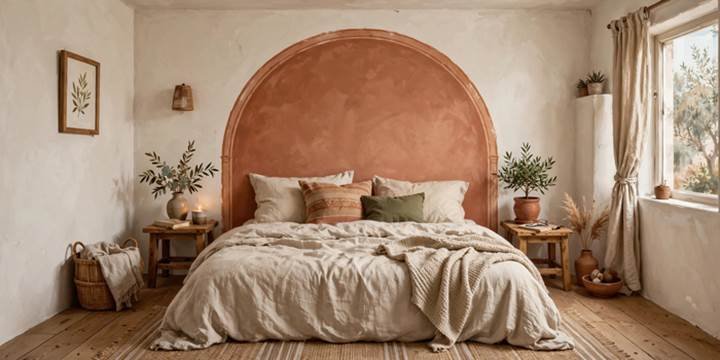
A painted arch works like a faux headboard that never needs dusting. Sketch a wide arch behind the bed with a pencil and string, tape the outline, and fill it with a rich color such as terracotta, olive, or muted rose. This painted arch headboard costs almost nothing, looks custom, and suits small rooms with modest budgets. Use painter’s tape carefully, seal edges with the wall color first, and you’ll get crisp lines that look professional.
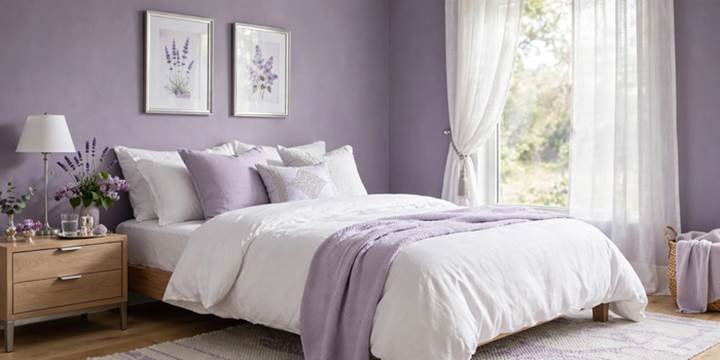
10. Calming Lavender and Lilac
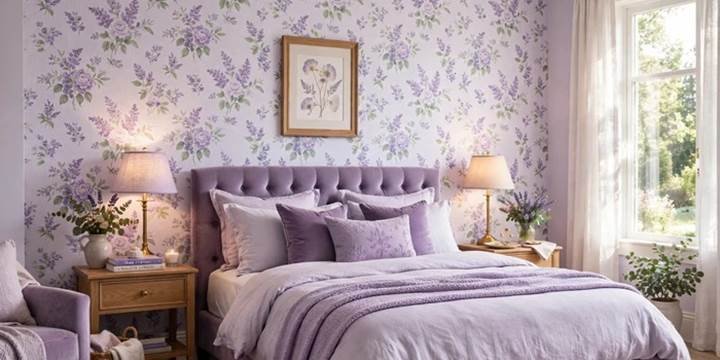
Soft lavender wraps a bedroom in gentle, dreamy calm. Muted, gray tinged versions feel sophisticated rather than sugary, and they glow beautifully in afternoon light. Pair lavender bedroom paint with white bedding, silver accents, and pale wood. The color suits adult bedrooms, nurseries, and teen spaces alike. If you worry about pastel shades feeling childish, choose a dustier tone with a touch of gray and finish the room with grown up textures like linen and velvet.
11. Moody Charcoal and Black
Dark charcoal and soft black walls create a bedroom that feels like an evening spent by the fire. The color hides shadows, highlights art, and makes bedding seem to glow. Choose an inky charcoal paint in matte or eggshell finish to avoid harsh reflections. Add warm lighting, layered textiles, and natural wood so the room feels welcoming rather than stark. Dark shades work best with good lamp placement and plenty of soft, tactile fabrics.
12. Warm White and Creamy Neutrals
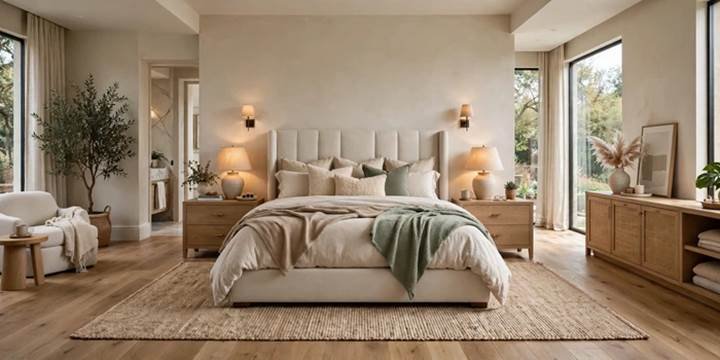
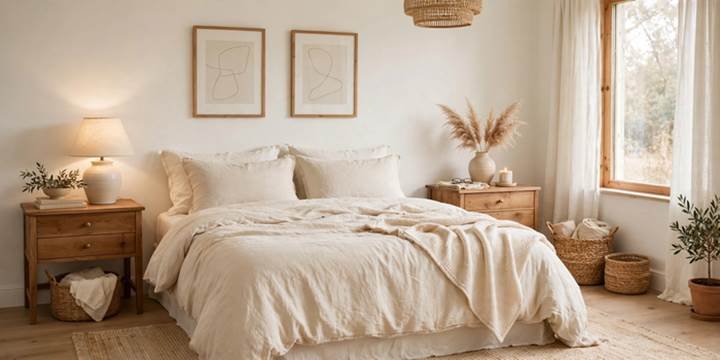
Sometimes the most beautiful bedroom paint is barely noticeable. Warm white, ivory, and soft greige create a calm, sunlit backdrop that welcomes any style of furniture. Choose a warm white paint with yellow or pink undertones to avoid the clinical look of stark white. Test it near your trim and flooring, because undertones shift dramatically with light. Paired with linen, wood, and woven baskets, the room feels airy, clean, and endlessly adaptable.
13. Dusty Blush Pink
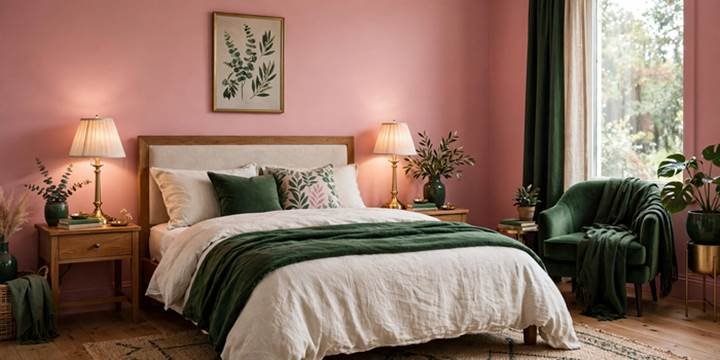
Blush pink has grown up. Muted, clay tinged versions look warm and sophisticated rather than sugary. Dusty blush paint pairs beautifully with brass, walnut, and deep green accents. It flatters skin tones and glows softly in evening light. Use it on all four walls for a soothing mood, or pair it with a slightly deeper shade on the trim for tone on tone depth. It suits romantic, boho, and modern bedrooms equally well.
14. Painted Stripes and Geometric Patterns
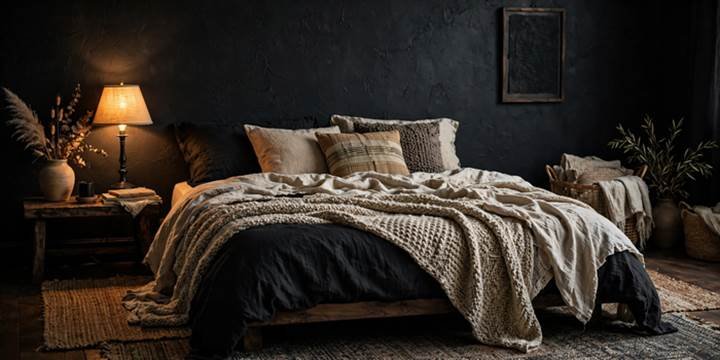
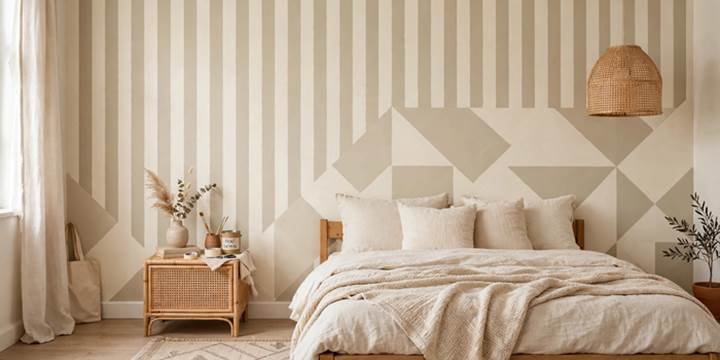
Paint can create pattern without wallpaper. Wide horizontal stripes stretch a narrow bedroom, while vertical lines add height to a low ceiling. Try subtle painted stripes in two close shades, such as cream and oatmeal, for a quiet, tailored look. You can also use tape to make diamonds, chevrons, or color blocks. Measure carefully, use a laser level, and press tape edges firmly. The reward is a custom, designer looking wall for the cost of a quart.
15. Small Bedroom Light Neutrals
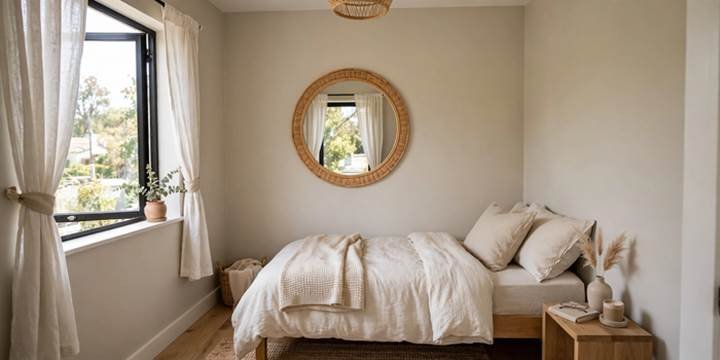
Small bedrooms thrive on light, low contrast color. Soft, pale shades such as mushroom, pearl gray, and pale sage bounce light around and make walls feel farther away. Choose a small bedroom paint color with a warm undertone so the space feels cozy, not cold. Use one shade on walls and trim for a seamless, larger look. Add a mirror opposite a window and keep furniture simple to enhance the airy effect.
Bedroom Painting Ideas at a Glance
| Item | Best For | Style/Room Type |
| Soft Sage Green | Calm, restful sleep | Modern, organic, transitional |
| Deep Navy Blue | Cozy, dramatic rooms | Traditional, coastal, modern |
| Warm Terracotta | Earthy warmth | Boho, Southwestern, organic |
| Limewash Finish | Soft, textured walls | Japandi, Mediterranean, rustic |
| Statement Accent Wall | Low-commitment color | Any style, small to medium rooms |
| Color Drenching | Immersive, elegant mood | Modern, moody, luxury |
| Two-Tone Wainscoting | Custom architectural look | Traditional, farmhouse, cottage |
| Painted Ceiling | Surprise and intimacy | Any style with neutral walls |
| Painted Arch | Budget faux headboard | Small bedrooms, renters, boho |
| Lavender and Lilac | Dreamy, soft calm | Romantic, nursery, teen |
| Charcoal and Black | Dramatic, cocooning rooms | Modern, industrial, moody |
| Warm White Neutrals | Timeless flexibility | Scandinavian, minimalist, classic |
| Dusty Blush Pink | Soft, warm romance | Boho, glam, modern |
| Stripes and Geometrics | Fixing room proportions | Nautical, modern, playful |
| Small-Bedroom Light Neutrals | Making rooms feel bigger | Guest rooms, apartments, kids’ rooms |
Bedroom Painting Ideas FAQs
What is the best paint color for a bedroom?
The best paint color for a bedroom depends on the mood you want. Soft greens, dusty blues, and warm neutrals promote calm and help the body relax. Deeper shades like navy or charcoal create a cocooning effect, especially in rooms with good lighting. Avoid bright, saturated tones in sleeping spaces. Always test large samples on the wall and view them in morning and evening light before committing to a full gallon.
What paint finish is best for a bedroom?
Matte and eggshell finishes work best for most bedrooms. Matte hides wall imperfections and creates a soft, velvety look, while eggshell adds slight durability and is easier to wipe clean. Avoid high gloss on walls, since it highlights every flaw and reflects glare from lamps. Use satin or semi-gloss on trim and doors for added durability. In humid rooms or kids’ spaces, choose washable formulas designed to resist scuffs and marks.
Should I paint my bedroom a dark color?
Yes, dark paint can look stunning in a bedroom when done well. Deep navy, forest green, and charcoal create a snug, hotel like mood, especially in rooms used mainly at night. Choose a matte or eggshell finish, and add warm lighting to keep the space inviting. In small or dim rooms, dark colors can feel intimate rather than cramped. Test samples first, because undertones shift dramatically under different light.
How many coats of paint does a bedroom need?
Most bedrooms need one coat of primer and two coats of paint. Dark colors and dramatic color changes may need a third coat, especially over deep or saturated shades. Paint and primer formulas save time but may still need two coats for even coverage. Let each coat dry fully, usually two to four hours, before applying the next. Cutting in edges first and rolling with steady pressure gives the smoothest, most even finish.
How much paint do I need for a bedroom?
A standard 12 by 12 bedroom with eight foot ceilings needs about two gallons for walls and one extra gallon if you paint the ceiling or trim. Measure total wall width, multiply by ceiling height, and subtract for doors and windows. One gallon covers roughly 350 to 400 square feet. Add ten percent for touch ups and textured surfaces. Buy all gallons from the same batch, or mix them together in a large bucket, to avoid color differences.
Why Trust This Guide
This guide comes from hands on experience with home decor projects, plus careful research into current color trends and painting techniques. Every one of these bedroom painting ideas was chosen because it works in real rooms with real budgets, not just in styled photos. Costs reflect typical US pricing for materials and labor, and the tips draw on common mistakes homeowners and renters make. The goal is simple: help you choose a color you’ll love waking up to every morning.
Cost and Time to Achieve Your Bedroom Painting Look
DIY Costs and Timeline
Painting yourself is the budget route. Quality paint runs $35 to $80 per gallon, so an average bedroom costs about $80 to $200 in paint, plus $30 to $70 for primer, brushes, rollers, tape, and drop cloths. Limewash and specialty finishes cost more, often $60 to $120 per gallon. Plan a full weekend for a standard bedroom, including prep, two coats, and drying time. Accent walls take three to five hours.
Professional Painting Costs and Timeline
Hiring a professional adds speed and polish, especially for dark colors, ceilings, and limewash. Painters in the US typically charge $2 to $6 per square foot of wall, so a standard bedroom often costs $350 to $900, depending on your region and prep work. Ceilings, trim, and specialty finishes raise the total. Most pros finish a bedroom in one to two days, and they handle patching, sanding, priming, and cleanup.
Conclusion
The right bedroom painting ideas can turn an overlooked room into a space you genuinely look forward to entering each night. Whether you crave soft sage, moody navy, or a playful painted arch, there’s a color and technique here that fits your style, budget, and skill level. Start with a sample, live with it for a few days, and trust your instincts. If this list sparked inspiration, save it to your favorite Pinterest board so you can find it when you’re ready to begin.