15 Trending Romantic Bedroom Ideas for Couples
Finding the Right Bedroom Ideas for Couples
Sharing a bedroom means blending two sets of taste, habits, and storage needs into one cohesive space, which is easier said than done. If you’ve been searching for bedroom ideas for couples that actually solve real shared living problems instead of just looking pretty, this list was built for you. These ideas go beyond matching bedding, covering storage, lighting, and layout choices that keep the room functional, romantic, and genuinely comfortable for two.
The Current Trend Behind Couples’ Bedroom Design
Across the US, couples’ bedrooms are trending toward personalized, function first design rather than a single matched aesthetic. Homeowners are prioritizing individual storage, separate lighting controls, and layered textures that reflect both partners’ styles instead of one person’s taste dominating the room. This shift reflects a broader move toward shared but personalized spaces, where compromise happens through thoughtful layout rather than one partner simply deferring to the other.
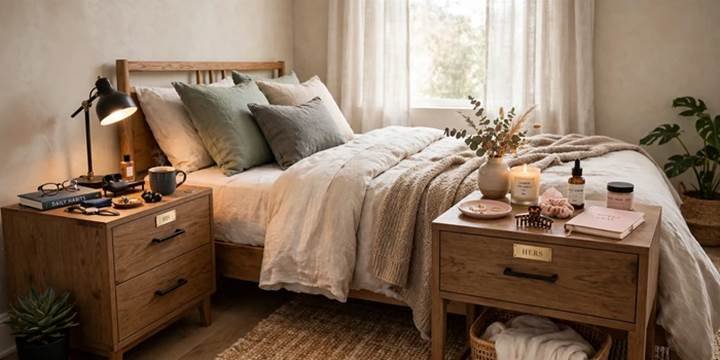
His and Hers Nightstands
Mismatched or coordinating nightstands, one for each partner, give both people a dedicated surface for books, chargers, and personal items without cluttering a single shared table. This idea works especially well when each nightstand reflects a bit of individual style, whether through material, shape, or finish, while still coordinating with the overall room. It’s a small change that meaningfully reduces daily friction over shared surface space.
Layered Dual Lighting Control
Dual reading lamps with independent switches allow one partner to read or scroll while the other sleeps undisturbed, solving one of the most common shared bedroom frustrations. This setup works particularly well with wall mounted sconces or plug in lamps positioned on each side of the bed. It’s a simple, budget friendly addition that immediately improves daily comfort and reduces the small nightly negotiations couples often have.
Oversized King Bed Layout
Upgrading to an oversized king or California king bed gives both partners genuinely more personal space to stretch out, which matters significantly for couples with different sleep schedules or movement patterns. This layout works best in bedrooms with enough square footage to maintain clear walking paths on both sides. It’s one of the most impactful couples bedroom ideas for anyone dealing with nightly space disputes or disrupted sleep.
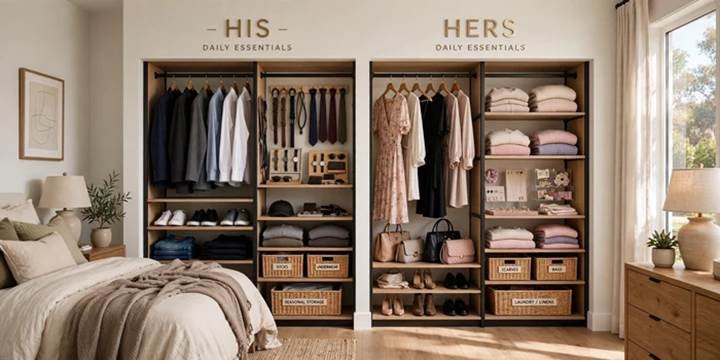
His and Hers Closet Zones
Dividing closet space into clearly defined his and hers zones, whether through a shared walk in or separate wardrobes, prevents the daily friction that comes from mixed, disorganized storage. This idea works especially well when each zone reflects individual organizational habits, since forcing one partner’s system onto both people rarely works long term. It’s a practical upgrade that quietly improves daily routines far more than any decorative choice.
Shared Reading Nook Corner
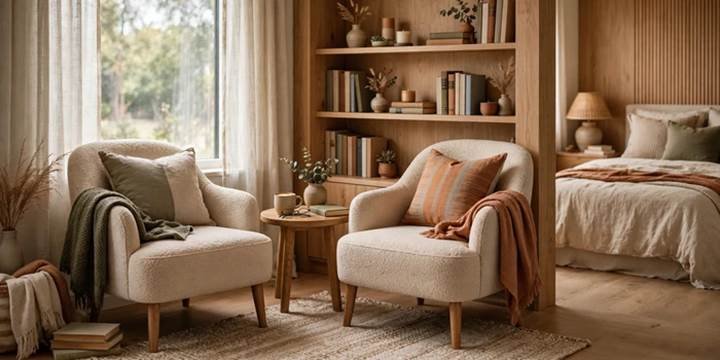
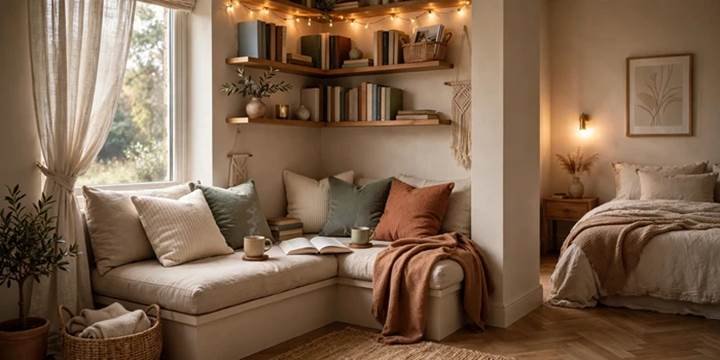
Carving out a small shared reading nook, with two chairs or a loveseat positioned near a window, gives couples a spot to unwind together that isn’t the bed itself. This idea works particularly well for couples who enjoy quiet time together without needing to talk, since it creates proximity without requiring direct interaction. Adding a shared side table for drinks or books completes the cozy, intentional feel.
Symmetrical Furniture Arrangement
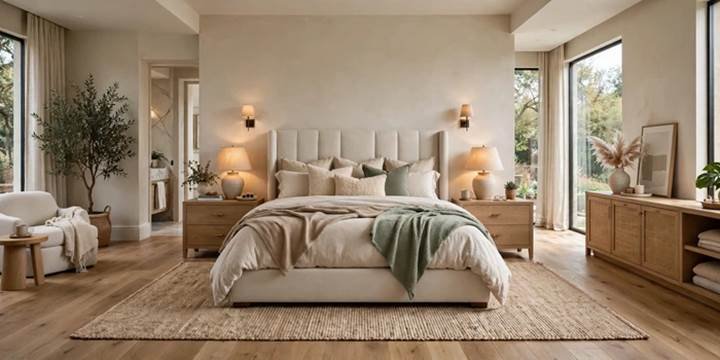
A symmetrical furniture layout, with matching nightstands, lamps, and artwork mirrored on each side of the bed, creates visual balance that subtly reinforces a sense of equal partnership in the room. This arrangement works in bedrooms of nearly any size and remains one of the most classic, dependable approaches to couples’ bedroom design. It’s especially effective for couples who want the room to feel calm, orderly, and intentionally shared.
Layered Neutral Color Palette
A layered neutral palette, using warm whites, soft grays, and natural wood tones, gives both partners a calm, adaptable backdrop that avoids feeling overly tied to one person’s color preferences. This approach works especially well when personal style differs significantly, since a neutral base allows both people to layer in accents through bedding, art, or accessories that reflect their individual taste without clashing.
Dedicated Vanity and Grooming Station
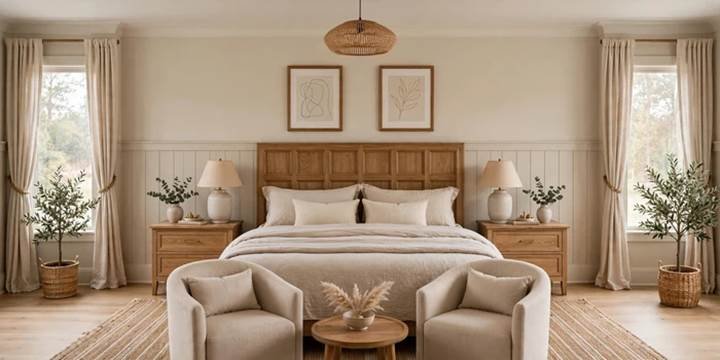
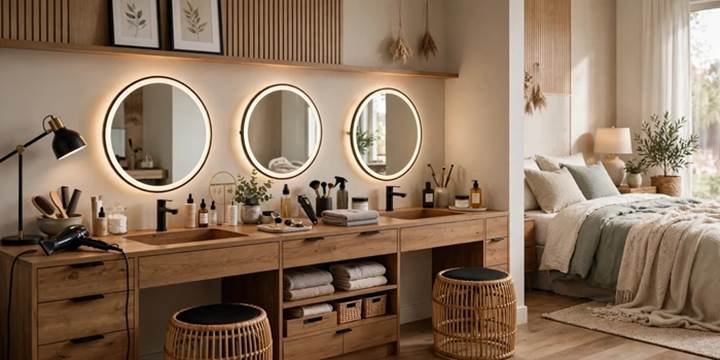
A shared or dual vanity station, with enough counter space and storage for both partners’ grooming essentials, reduces bathroom congestion and morning bottlenecks. This idea works especially well when positioned near natural light, giving both people a functional spot to get ready without competing for mirror space. It’s a practical addition that pays off daily, far beyond its impact on the room’s overall aesthetic.
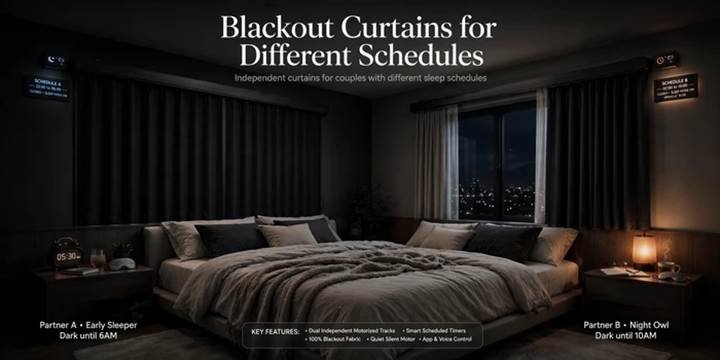
Blackout Curtains for Different Schedules
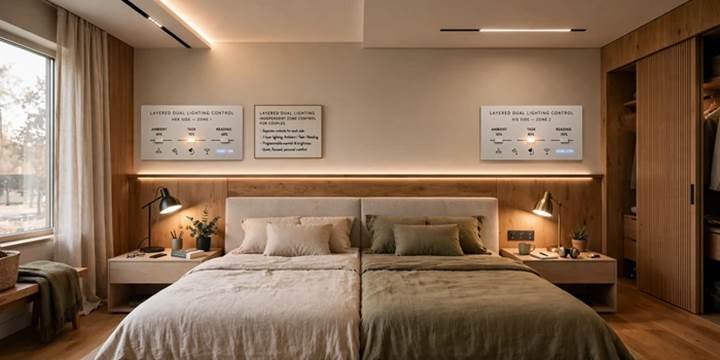
Blackout curtains paired with a secondary sheer layer give couples control over natural light, which matters significantly for partners with different wake times or work schedules. This layered window treatment allows the room to stay fully dark for one partner while still letting light filter in when needed. It’s an affordable, high impact upgrade for any couple navigating mismatched sleep or work routines.
Cozy Textured Bedding Layers
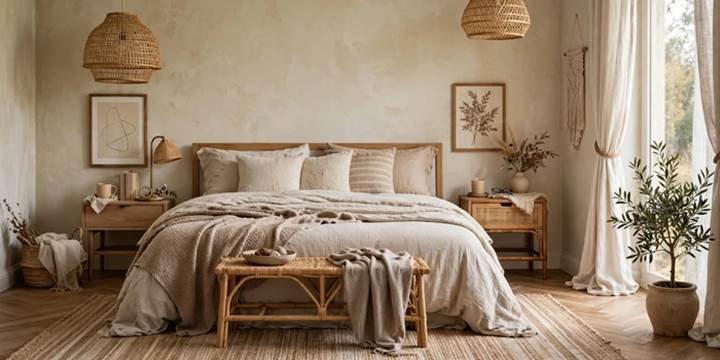
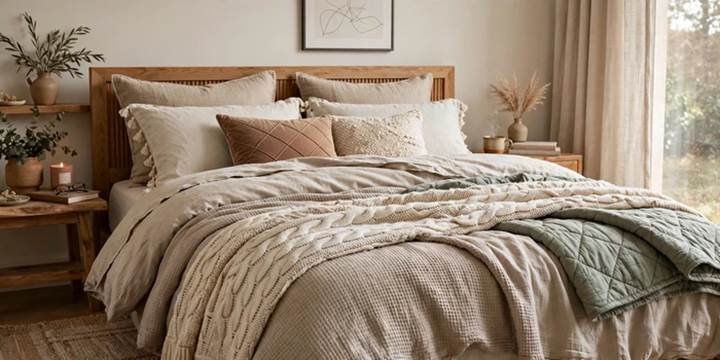
Layered textured bedding, combining a shared duvet with individual throw blankets, lets couples share a cohesive look while still accommodating different temperature preferences at night. This approach works especially well for couples who run hot and cold differently, since separate top layers can be added or removed without disturbing the shared base bedding underneath. It’s a small styling choice with genuine everyday function.
Statement Headboard Focal Point
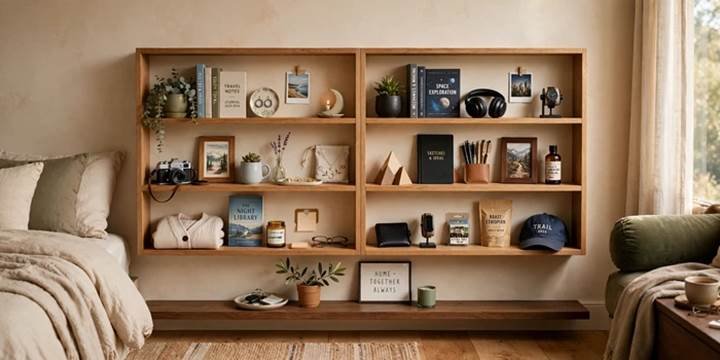
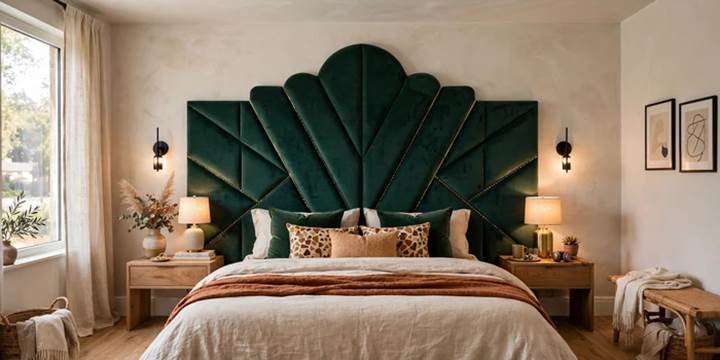
A bold statement headboard, whether upholstered, curved, or oversized, gives the room a shared focal point that anchors the overall design without requiring either partner to compromise on smaller decor choices. This piece works well as the one area where couples invest in a joint decision, letting the rest of the room’s accessories flex more freely to reflect individual taste around that central anchor.
Personal Display Shelving
Adding individual display shelves on each side of the room gives both partners a small, dedicated space to showcase books, photos, or personal items without cluttering shared surfaces. This idea works particularly well for couples who each have distinct hobbies or collections, since it allows personal expression without requiring either person’s items to dominate the shared aesthetic of the room.
Warm Ambient Mood Lighting
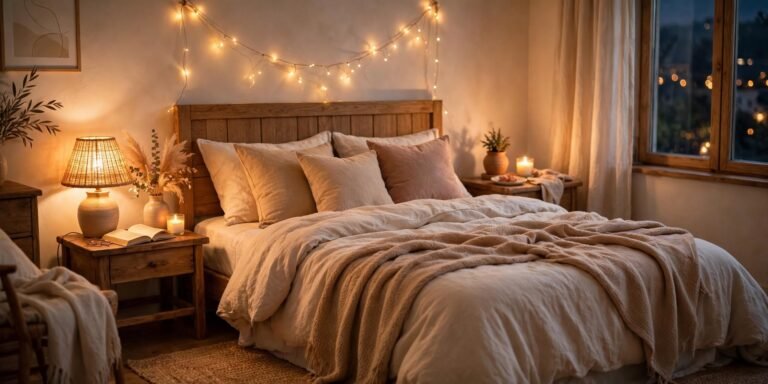
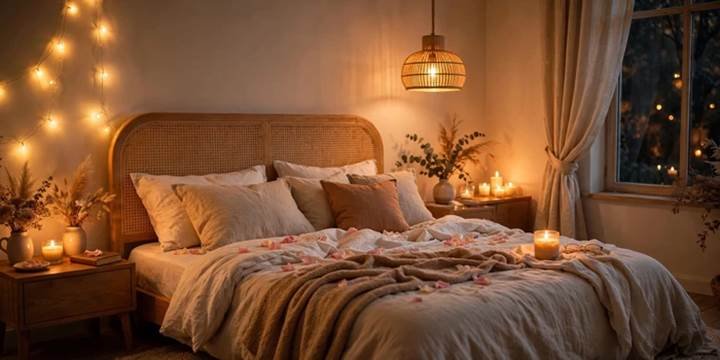
Warm ambient lighting, through dimmable overhead fixtures, string lights, or a few strategically placed lamps, creates a relaxed, romantic atmosphere that feels intentional rather than purely functional. This layered lighting approach lets couples adjust the mood depending on the time of day or occasion, moving easily from bright and practical to soft and low for winding down together at night.
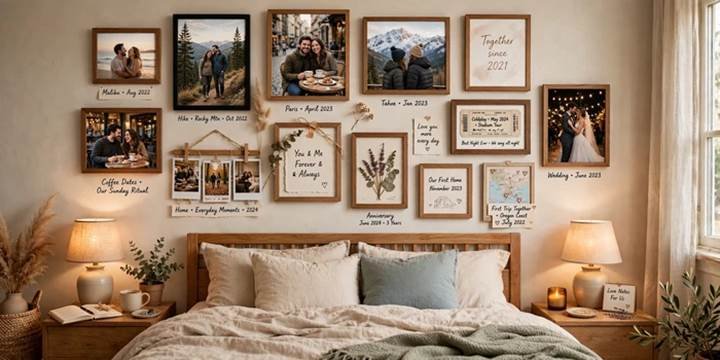
Shared Gallery Wall of Memories
A shared gallery wall, mixing travel photos, ticket stubs, and small art pieces collected together, turns a blank wall into a personal timeline of the relationship. This idea costs very little if the couple already has photos saved, and it gives the room genuine sentimental value beyond its visual appeal. It’s one of the most meaningful bedroom ideas for couples looking to add personality without spending much money.
Dual Reading Chairs Nook
Adding a pair of comfortable reading chairs to the bedroom gives both partners a dedicated spot to unwind that isn’t the bed, perfect for quiet mornings or evenings together.
Comparison Table: Bedroom Ideas for Couples at a Glance
| Idea | Best For | Style/Room Type |
| His-and-Hers Nightstands | Reducing shared-surface clutter | Any style, all room sizes |
| Layered Dual Lighting Control | Different sleep or reading schedules | Practical, transitional |
| Oversized King Bed Layout | Couples needing more personal space | Larger primary bedrooms |
| His-and-Hers Closet Zones | Organized, low-friction storage | Any style, walk-in or standard |
| Shared Reading Nook Corner | Quiet together-time without talking | Cozy, transitional |
| Symmetrical Furniture Arrangement | A balanced, orderly shared feel | Classic, traditional |
| Layered Neutral Color Palette | Blending differing personal styles | Modern, transitional |
| Dedicated Vanity and Grooming Station | Reducing morning bathroom bottlenecks | Functional, modern |
| Blackout Curtains for Different Schedules | Mismatched wake or work times | Practical, any style |
| Cozy Textured Bedding Layers | Different temperature preferences | Cozy, layered modern |
| Statement Headboard Focal Point | A shared, anchoring design choice | Glam, contemporary |
| Personal Display Shelving | Showcasing individual hobbies | Eclectic, curated |
| Warm Ambient Mood Lighting | Creating a relaxed, romantic feel | Romantic, transitional |
| Shared Gallery Wall of Memories | Adding sentimental, personal history | Eclectic, budget-friendly |
| Dual Reading Chairs Nook | An alternate shared relaxation spot | Cozy, transitional |
Frequently Asked Questions
How do you design a bedroom that suits two different styles?
Start with a neutral, shared base for the walls, flooring, and large furniture pieces, then let each partner layer in personal touches through bedding, art, or a display shelf on their side of the room. Choosing one statement piece, like a headboard, as a joint decision also helps anchor the design while leaving room for individual expression elsewhere in smaller, easily changeable details.
What is the best bed size for a couple?
A queen bed works well for most couples, but a king or California king offers significantly more personal space, which matters for partners with different sleep positions, temperatures, or movement patterns throughout the night. If nightly space or temperature disputes are a recurring issue, sizing up is often one of the most effective changes a couple can make to improve shared sleep quality.
How can couples make a small shared bedroom feel bigger?
Choose a light, layered neutral palette to reflect more natural light, and prioritize furniture with built in storage, like an under bed drawer system or a platform bed, to reduce visual clutter. Floating nightstands and wall mounted lighting also free up floor space, making the room feel more open even when square footage is genuinely limited for two people sharing it daily.
How do couples handle different sleep schedules in the same bedroom?
Blackout curtains paired with individual reading lamps allow each partner to control their own light exposure without disturbing the other. White noise machines or a shared sound system can also help mask movement or noise from a partner coming to bed later or waking earlier, making shared sleep considerably more manageable for couples with mismatched schedules.
How do you add romance to a bedroom without it feeling cliché?
Focus on warm, dimmable lighting, soft textured bedding, and a few meaningful personal touches like a shared gallery wall, rather than relying on generic decor like candles or rose petals. A cozy reading nook or a genuinely comfortable seating area also encourages quality time together in the room beyond sleeping, which often feels more romantic than purely decorative choices.
Why Trust This Guide
This guide was written by a home decor writer who has spent years covering shared-living design challenges, testing storage solutions, and researching how real couples actually use their bedrooms day to day. Every idea here has been evaluated for practical, everyday function as much as visual appeal, factoring in common friction points like lighting, storage, and mismatched schedules. The goal is always a bedroom that works for both people, not just one.
Cost and Time to Achieve These Looks
A simple refresh using dual nightstands, new bedding, and blackout curtains typically costs between 200 and 500 dollars and can be completed in a single weekend with no special tools required. A mid range project involving a statement headboard, layered lighting, and a small reading nook usually runs 800 to 2,000 dollars and takes one to two weekends to fully assemble and style. A larger transformation involving custom closet zones, a dedicated vanity station, and new furniture typically costs 3,000 to 8,000 dollars when handled by a professional, with installation usually completed within one to two weeks depending on scope.
Final Thoughts
A bedroom built for two works best when it balances shared design decisions with small pockets of individual space for each partner. Pick one or two ideas from this list that solve your household’s biggest daily friction points, start there, and let the rest of the room build around it over time. If this guide helped you and your partner find a starting point, save or pin it so you both have it ready when you’re ready to begin.