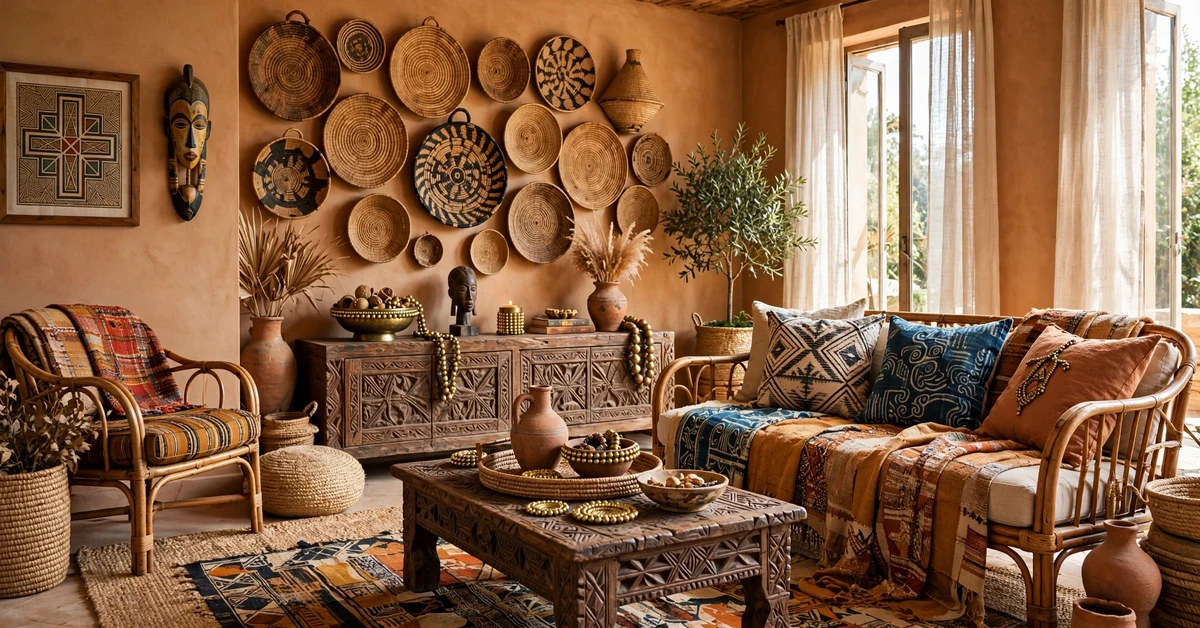
The Afrohemian Home Ideas for a Soulful, Story Filled Space
The Home Trend Blending Heritage and Warmth
you’ve spotted afrohemian decor before it had a name. This growing style fuses African craftsmanship with relaxed bohemian layouts, and it’s quickly becoming one of the most searched home aesthetics in the US. Unlike the neutral-heavy boho of a decade ago, this list focuses on soulful color, texture, and pieces with real cultural roots rather than generic “tribal print” shortcuts.
Why Afrohemian Decor Is Having a Moment
Searches for afrobohemian home decor have surged over the past year as homeowners move away from algorithm-approved neutral interiors toward spaces with genuine story and texture. This shift reflects a broader appetite for craftsmanship, handmade goods, and global influence over mass-produced matching sets. Interest in traditional Nigerian textiles, Ethiopian wall art, and West African motifs points to a design culture actively seeking authenticity over trend-chasing minimalism.
1. Handwoven Basket Walls
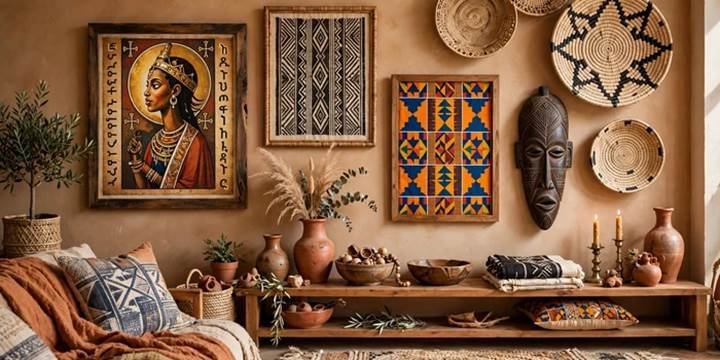
Instead of framed art, cover a bare wall with a cluster of handwoven baskets in varying sizes and weave patterns. Traditionally used for storage, these baskets bring dimensional texture and warm, earthy tones when mounted as a group. Mix circular and oval shapes for visual rhythm, and choose pieces made from natural fibers like sisal or raffia for the most authentic, tactile effect in any living space.
2. Mudcloth and Adire Textiles
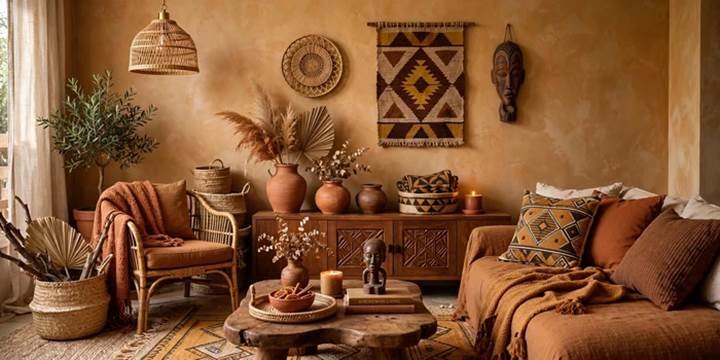
Layer mud cloth or adire fabric across throw pillows, a bench cushion, or a simple wall hanging to introduce bold, graphic pattern rooted in West African tradition. These hand-dyed textiles carry deep cultural significance and instantly ground a room in something more meaningful than a printed pattern from a big box store. Keep the surrounding palette neutral so the textile pattern remains the clear focal point.
3. Carved Wood Furniture Accents
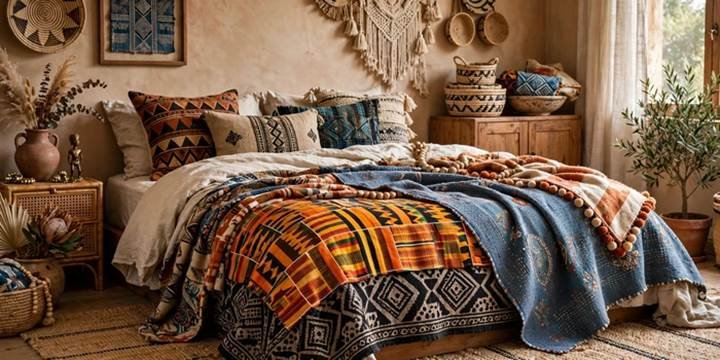
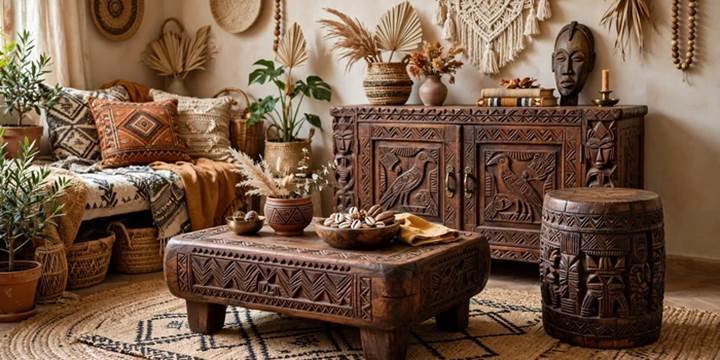
A single carved wood stool or side table adds sculptural interest and warmth without overwhelming a room. Look for pieces with visible hand-tooling rather than machine-perfect symmetry, since the slight imperfections are part of the appeal. Place one beside a reading chair or at the foot of a bed, where its texture contrasts beautifully against soft textiles and woven rugs nearby.
4. Natural Fiber Rugs
Ground the whole afrohemian look with a natural fiber rug in jute, sisal, or woven grass, layered beneath a smaller patterned accent rug for depth. This layering technique is a signature of the style, combining texture over texture rather than relying on color alone. Natural fiber rugs also tend to be more affordable than wool alternatives, making this an accessible entry point into the aesthetic.
5. Ethiopian and West African Wall Art
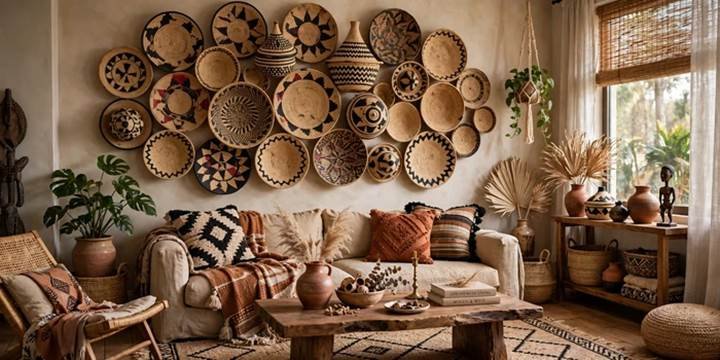
Original or reproduction African wall art brings both color and cultural narrative into a room in a way generic prints simply can’t. Look for pieces from independent artists or fair-trade sources whenever possible, since supporting the origin of the craft matters within this style. Group two or three pieces of varying size rather than one large piece for a gallery-style arrangement with more visual movement.
6. Rattan and Bamboo Furniture
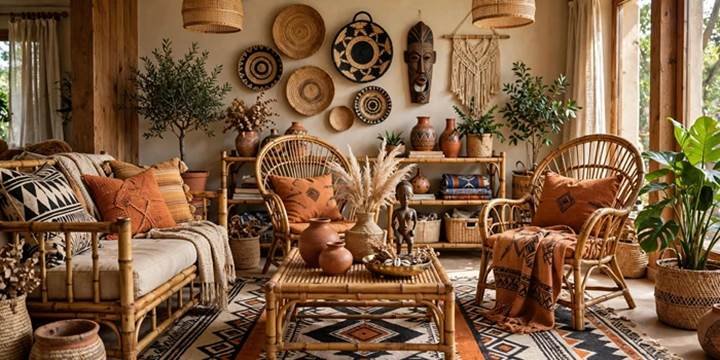
Rattan chairs, bamboo shelving, or a woven headboard reinforce the natural, handcrafted feel central to afrohemian spaces. These materials photograph beautifully in natural light and pair effortlessly with both mudcloth textiles and richer jewel-toned accents. Choose pieces with visible open weave rather than solid, lacquered rattan for the most texture-forward, authentic result within this specific aesthetic.
7. Warm, Earthy Color Palettes
Skip cool grays and stark white in favor of a palette built from terracotta, ochre, deep browns, and burnt orange, colors that echo the earth tones common across African textile traditions. Introduce color primarily through textiles and accessories rather than paint if you’re not ready to commit to a bold wall color, keeping walls neutral while pillows, throws, and art carry the warmth.
8. Layered Global Textiles on the Bed
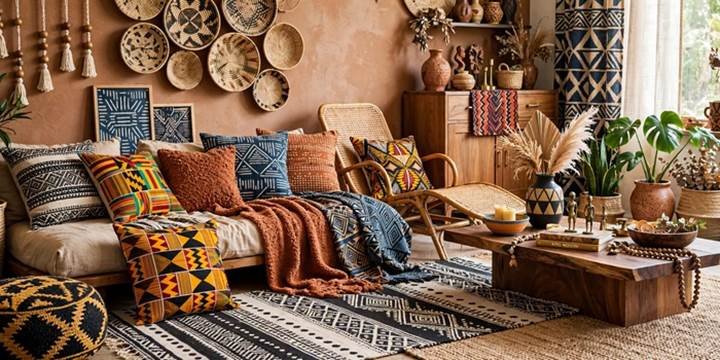
Bring the afrohemian look to a bedroom by layering a mudcloth throw, a woven blanket, and patterned pillow covers across otherwise simple bedding. This creates richness without requiring a full room redesign, and it’s one of the easiest, lowest-cost ways to test the aesthetic before committing further. Rotate pieces seasonally to keep the layered look feeling fresh and intentional.
9. Beaded and Brass Accents
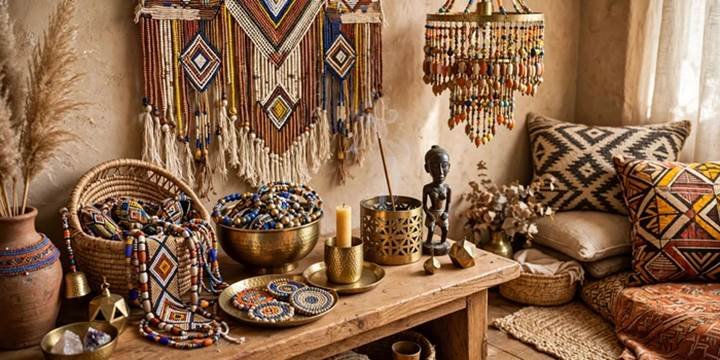
Small beaded or brass accessories, a beaded mirror frame, brass candle holders, or a beaded curtain in a doorway, add glinting detail that catches the eye without overwhelming the room. These finishing touches work especially well displayed on open shelving or a dresser top, where their craftsmanship can be appreciated up close rather than lost in a busier vignette.
10. Mixed Pattern Layering
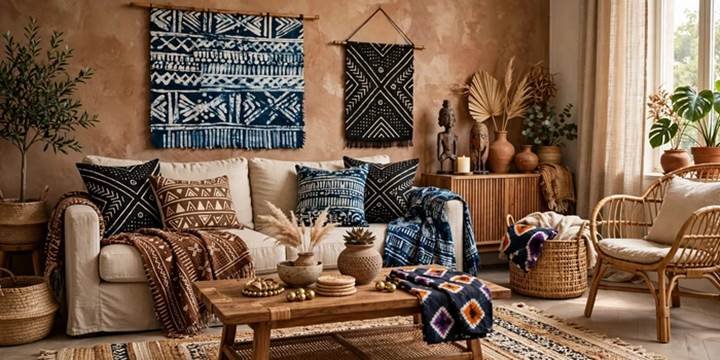
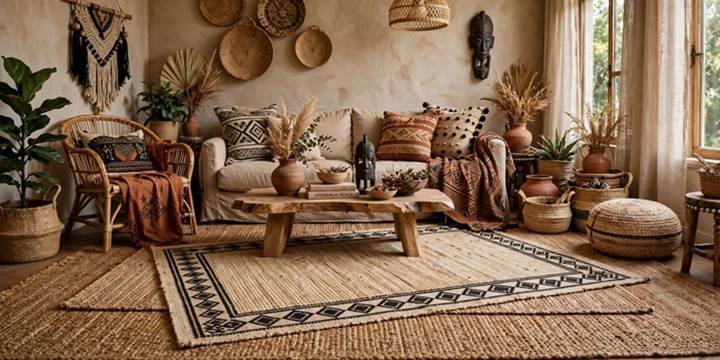
The confident use of mixed patterns, geometric prints against organic weaves, bold color against neutral texture, is what separates authentic afrohemian styling from a single matching set. Anchor the mix with one dominant color that repeats across the different patterns to keep the overall look cohesive rather than chaotic. This layered, collected-over-time feeling is central to what makes the style so personal.
Frequently Asked Questions
What is afrohemian decor?
Afrohemian decor is a home design trend that blends African craftsmanship, textiles, and artistry with the relaxed, layered ease of bohemian style. It typically features handwoven baskets, mudcloth or adire fabric, carved wood furniture, and warm earthy colors. Unlike generic “global” decor, authentic afrohemian styling prioritizes pieces with genuine cultural origin and craftsmanship, often sourced from independent African artisans or fair-trade retailers rather than mass-produced imitations.
How is afrohemian different from regular boho decor?
Traditional boho decor from the early 2000s leaned heavily on macramé, all-neutral palettes, and generic global-inspired prints without much cultural specificity. Afrohemian decor is more intentional, centering West African and East African craftsmanship, textiles like mudcloth and adire, and bolder, warmer color use. It also tends to feel less “styled” and more personal, since many afrohemian spaces incorporate pieces with real family or cultural significance.
Where can I buy authentic afrohemian decor pieces?
Look for independent African artisans, fair-trade marketplaces, and small businesses specializing in imported textiles and handcrafted goods rather than mass-market retailers replicating the look. Many cities also have African import shops carrying authentic mudcloth, baskets, and carved furniture. Buying directly from artisans or verified fair-trade sources ensures the pieces reflect genuine craftsmanship rather than a diluted, decor-trend version of the aesthetic.
Can I do afrohemian decor on a budget?
Yes, start small with textiles like a mudcloth throw pillow or a single handwoven basket rather than a full furniture overhaul. Natural fiber rugs and rattan accessories are also relatively affordable entry points compared to carved wood furniture. Layering a few authentic pieces into an existing neutral room often creates enough impact without requiring a complete redesign or a large upfront investment.
Does afrohemian decor work in a small apartment?
Absolutely, since much of the style relies on textiles, wall art, and smaller accent pieces rather than large furniture. A basket wall layered bed textiles, and a few brass accents can transform a small bedroom or living area without requiring significant floor space. The style’s emphasis on texture over bulk makes it well suited to apartments and rentals working with limited square footage.
Why Trust This Guide
This guide was researched and written by a home decor writer who closely follows emerging design trends and prioritizes sourcing information accurately, including the cultural context behind styles like afrohemian decor. Every idea here was selected for authenticity and genuine craftsmanship rather than a diluted trend interpretation. The goal is to help readers style this look thoughtfully and respectfully, with real appreciation for its origins.
Cost & Time to Achieve This Look
A basic afrohemian refresh using textiles, a basket wall, and a few accessories typically costs between 150 and 500 dollars and can be completed in a single weekend. A more complete room transformation, including rattan or carved wood furniture, generally runs 800 to 2,500 dollars and takes two to three weeks to source authentic pieces. Working with an interior designer familiar with global sourcing can raise costs to 3,000 dollars or more, with timelines extending to four to six weeks for custom or imported pieces.
Ready to Bring This Trend Home?
Afrohemian decor rewards patience and intention, since the best spaces in this style are built gradually with pieces that genuinely mean something. Start with one textile or one basket wall and let the room grow from there rather than rushing a full redesign. If this guide inspired your next project, save it to Pinterest so you can return it as you collect pieces over time.