Small Room Decors,15 Smart Ideas to Maximize Space
A small room does not have to feel small. With the right choices, a compact bedroom, den, or studio corner can feel open, warm, and full of personality. Smart small room decor relies on light, scale, and clever storage to make every square foot work harder. This guide shares 15 practical ideas that suit apartments, dorms, and older homes with snug floor plans. Each one includes specific colors, materials, and placement tips, so you can start rearranging today.
Why Small Room Decor Is Getting Smarter and More Stylish
Small room decor across the US has shifted from cramped and cluttered to light, layered, and intentional. More people live in apartments, condos, and compact homes, so designers now focus on slim furniture, multipurpose pieces, and vertical storage. Soft neutrals, warm wood, curved shapes, and plenty of mirrors lead Pinterest boards and design searches. Renters also drive the trend, choosing plug-in sconces, peel-and-stick wallpaper, and freestanding shelves that add personality without touching the walls or risking a deposit.
1. Hang a Large Mirror to Double the Light
A mirror is the hardest working piece in any compact space. Lean a tall arched mirror against a wall, or hang a wide rectangular one above a dresser or sofa. Place it across from a window so it bounces daylight deep into the room. An oversized mirror makes walls feel farther apart and the ceiling seem higher. Choose a slim frame in brass, matte black, or light oak, and the reflection adds depth without using a single inch of floor.
2. Paint the Walls in a Light, Airy Color

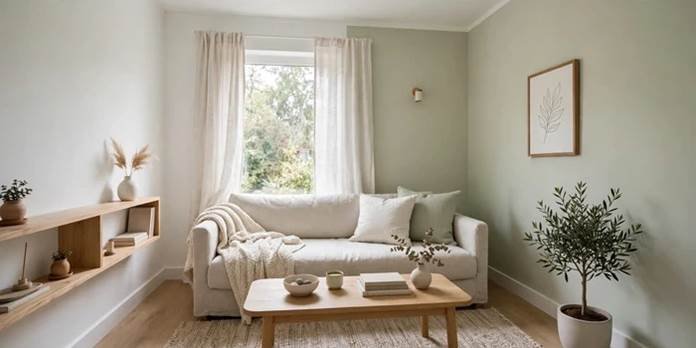
Light colors reflect daylight and ease the closed in feeling of a tight room. Soft white, warm greige, pale sage, and misty blue all work beautifully. Choose an eggshell or matte finish to hide wall imperfections and soften the glow. A light wall color also makes art, plants, and textiles stand out. Paint the ceiling the same shade or slightly lighter to blur the edges, and the whole room feels taller and more open.
3. Choose Slim, Leggy Furniture

Furniture with visible legs lets the eye see more floor, which makes a room feel larger. Swap a bulky chair for a slim arm design on tapered wooden legs, and choose a narrow console instead of a deep cabinet. Raised leg furniture keeps sightlines open and makes cleaning easier. Pick pieces in light, neutral upholstery, such as oatmeal or soft gray, so they blend into the background rather than dominating the space.
To read more latest ideas click here.
4. Add Multipurpose Furniture That Hides Storage
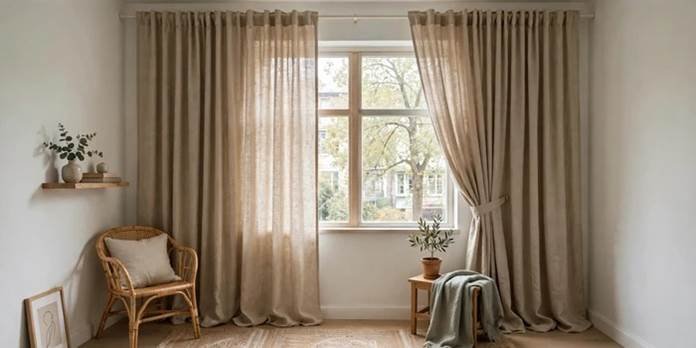
In a small room, every piece should earn its place. Choose a storage ottoman that doubles as a footrest and extra seat, a bed with built in drawers, or a bench with hidden baskets. Multipurpose furniture keeps blankets, shoes, and clutter out of sight and the room calm. Pick pieces in the same wood tone or fabric family so the space looks cohesive, not like a collection of mismatched practical items.
5. Layer Lighting With Lamps and Sconces

Overhead lighting flattens a small room and makes it feel like a hallway. Place a slim floor lamp in a dark corner, set a small table lamp on a shelf, and mount plug-in sconces beside the bed or sofa to save surface space. Layered lighting adds warmth and depth, which makes the room feel larger and cozier. Choose bulbs around 2700K for a soft amber glow, and add a dimmer or smart bulbs for easy mood changes.
6. Hang Curtains High and Wide
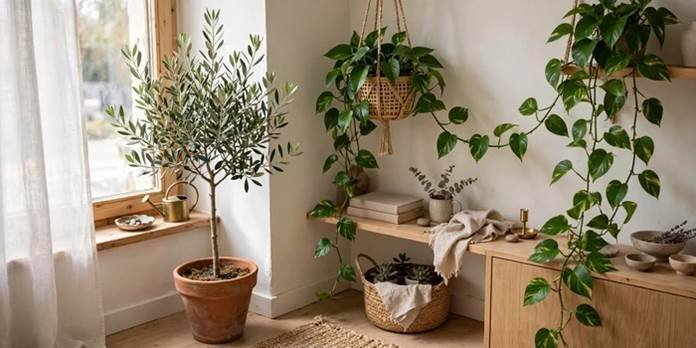
Curtains can stretch a small room visually when you hang them well. Mount the rod four to six inches below the ceiling, and extend it eight to twelve inches past each side of the window frame. This high and wide placement makes the window look larger and lets more daylight in. Choose floor length linen panels in white, oatmeal, or soft sage so the fabric blends with the walls. Let the hems just graze the floor for a tailored finish.
7. Go Vertical With Floating Shelves
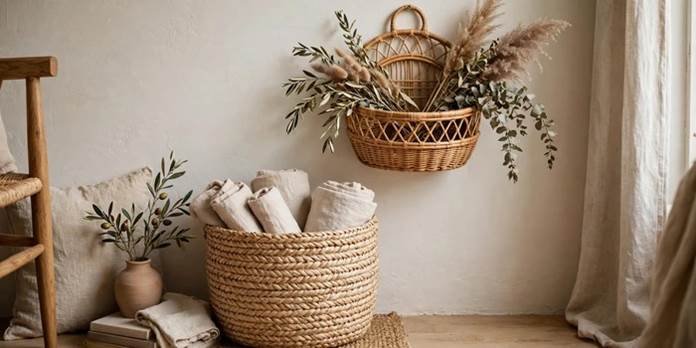
When floor space is tight, build up. Mount floating shelves above a desk, bed, or dresser, or choose a tall, narrow bookcase that draws the eye upward. Style each shelf with stacked books, small plants, framed art, and a candle, and vary the heights for rhythm. A vertical shelf display adds storage and personality without crowding the floor. Leave a little empty space between objects so the arrangement feels curated, not cluttered.
8. Anchor the Space With a Right-Sized Rug

A rug defines the main zone and makes a small room feel intentional. Choose one large enough that the front legs of the furniture rest on it, usually 5×8 or 6×9 feet in a compact room. A well sized rug actually makes the room look larger than a tiny one floating in the middle. Pick a light, low pile style in jute, wool, or a soft vintage pattern, and avoid bold stripes that chop up the floor.
9. Use Woven Baskets for Warm, Hidden Storage

Baskets hide clutter while adding organic texture to a compact room. Place a large seagrass basket beside the bed or sofa for blankets, set a lidded rattan box on a shelf for small items, and hang a wall basket as art. Woven storage keeps surfaces clear and the room tidy. The muted, natural tones suit coastal, boho, and modern farmhouse styles alike, and they soften the straight edges of furniture and shelving.
10. Create a Gallery Wall in a Tight Arrangement
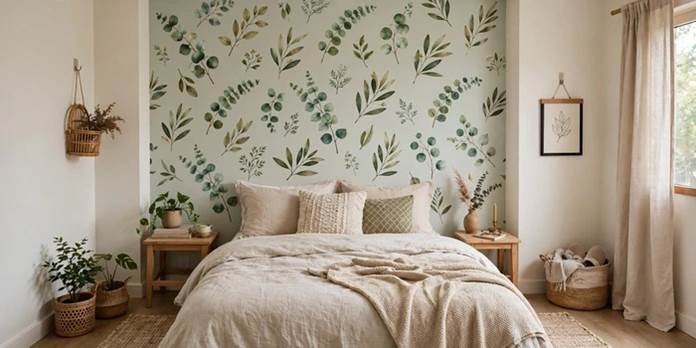
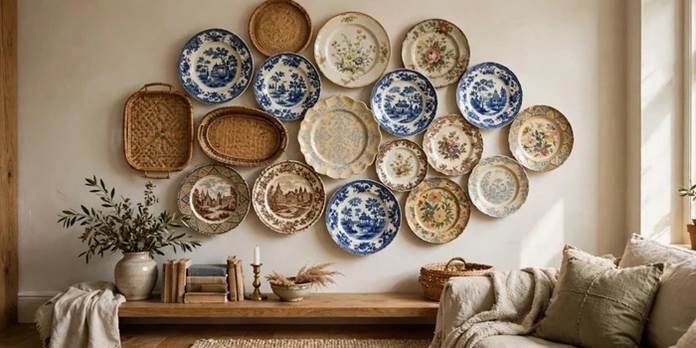
A gallery wall turns a blank stretch of drywall into the most personal part of the room. Mix black, brass, and natural wood frames in different sizes, and fill them with family photos, botanical prints, and small paintings. Lay everything on the floor first, then trace each frame on kraft paper and tape the templates to the wall. This paper template trick helps you balance the layout and avoid extra nail holes. Keep two inches between frames.
11. Bring In Plants for Fresh Color and Life
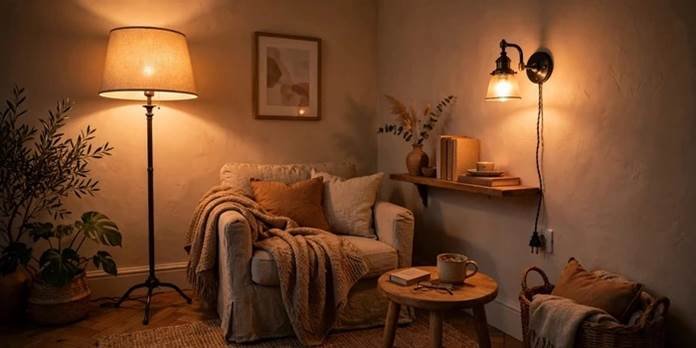
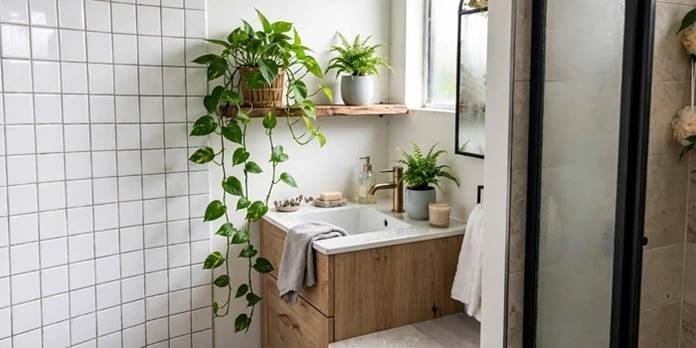
Plants add softness, color, and movement without needing much floor space. Set a tall olive tree or fiddle leaf fig in a corner, hang a trailing pothos from a shelf, and group small succulents on a windowsill. Low maintenance plants like snake plants and ZZ plants tolerate dim rooms and forgetful watering. Choose ceramic pots in matching tones so the greenery looks polished. Rotate each plant every few weeks so it grows evenly toward the light.
12. Layer Textured Throws and Pillows in a Tight Palette
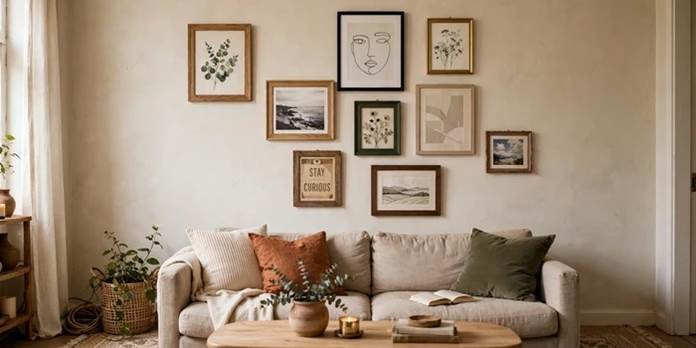
Texture adds warmth without taking up any floor space. Drape a chunky knit throw over the arm of a chair or the foot of the bed, then add three pillows in mixed fabrics like velvet, linen, and bouclé. Stay within one palette, such as cream, rust, and olive, so the layers feel intentional. Layered textiles soften hard edges, absorb echo, and add instant comfort. Swap the covers each season to keep the room fresh.
13. Try Peel and Stick Wallpaper on One Wall
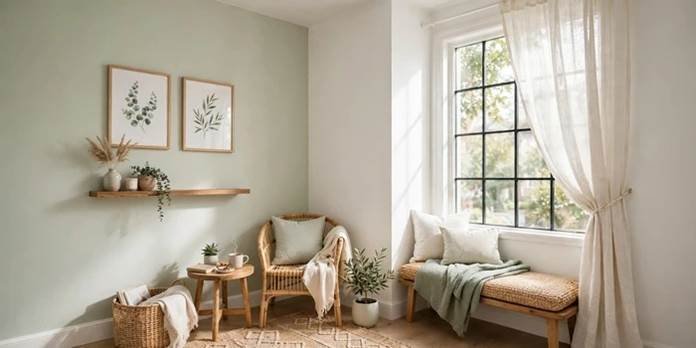
Wallpaper adds drama in a compact footprint, and peel and stick versions remove cleanly, which makes them ideal for renters. Choose a subtle grasscloth, botanical leaf, or soft geometric pattern in light tones, and apply it to the wall behind the bed or sofa. Smooth each panel from the center outward to push out air bubbles. A single accent wall adds depth without overwhelming a small space, and it costs far less than a professional makeover.
14. Style a Slim Console or Entry Zone

Even a narrow wall can hold a stylish console. Place a slim table behind a sofa or near the door, and top it with a lamp, a tray for keys, and a small vase of dried stems. A slim console table adds storage and display space without crowding the walkway. Choose a design with a shelf below for baskets, and keep the top styled with only two or three items so the area feels light and open.
15. Add Candles and Calming Scents
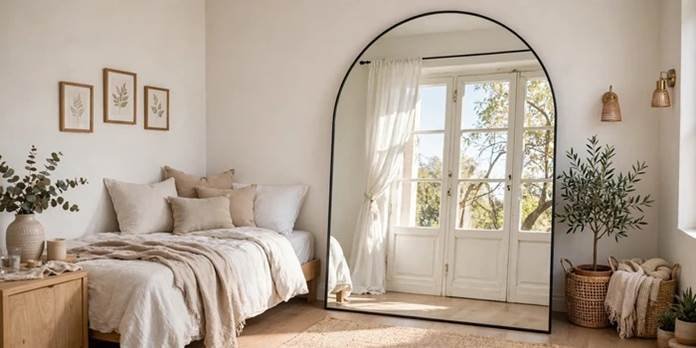
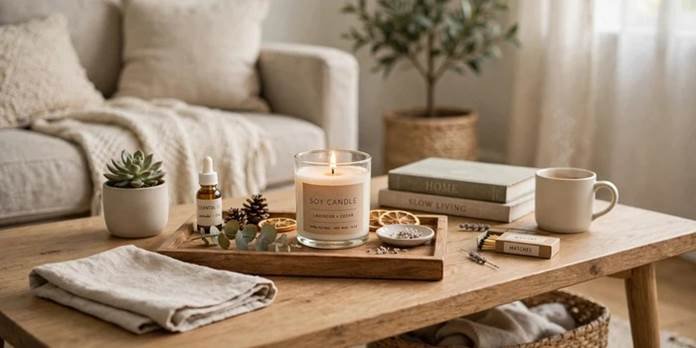
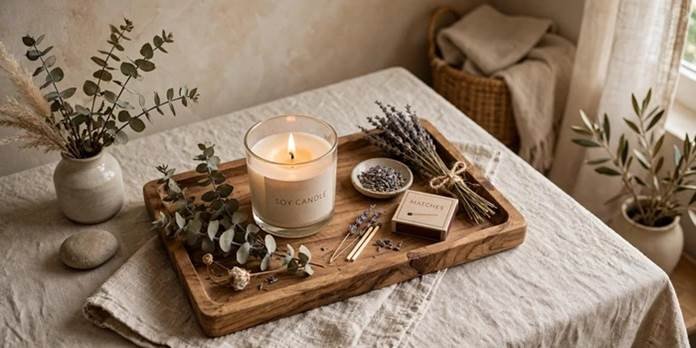
Scent adds warmth to a small room without using any space at all. Light a soy candle in cedar, fig, or eucalyptus, and place it on a tray with a small vase and a stack of books. Use a reed diffuser for steady fragrance when you are not home. Calming scents make guests feel welcome the moment they walk in. Trim wicks, keep flames away from fabric, and never leave candles unattended.
Small Room Decor Ideas at a Glance
| Item | Best For | Style/Room Type |
| Oversized mirror | Doubling light and space | Modern or vintage, Any small room |
| Light wall paint | Opening up the room | Soft or neutral, Dark or compact rooms |
| Slim, leggy furniture | Visible floor and openness | Mid-century or modern, Apartment or bedroom |
| Multipurpose furniture | Hidden storage | Practical, Studio, dorm, or condo |
| Layered lighting | Warmth and depth | Any style, Any small room |
| High-and-wide curtains | Height and daylight | Classic, Rooms with windows |
| Floating shelves | Storage without floor use | Minimalist, Narrow wall |
| Right-sized rug | Defining the main zone | Neutral or vintage, Open-plan space |
| Woven baskets | Hidden storage and texture | Coastal or farmhouse, Any small room |
| Gallery wall | Personal storytelling | Eclectic, Wall above sofa or bed |
| Indoor plants | Fresh color and life | Boho or natural, Rooms with light |
| Textured throws and pillows | Instant warmth | Cozy, Bed or sofa area |
| Peel-and-stick wallpaper | Renter-friendly accent | Modern or traditional, Bedroom or den |
| Slim console | Display and entry storage | Minimalist, Behind sofa or entry |
| Candles and scents | Sensory atmosphere | Any style, Shelf or table |
Frequently Asked Questions About Small Room Decor
How can I make a small room look bigger?
Use light colors, large mirrors, and slim furniture to open the space. Paint the walls and ceiling in soft white or pale neutral, and place a big mirror across from a window. Hang curtains high and wide, and choose furniture with visible legs. Keep surfaces tidy, store extras in baskets or ottomans, and leave some open floor so the eye can travel farther across the room.
What colors work best in a small room?
Light, soft shades reflect daylight and make walls feel farther away. White, warm greige, pale sage, and misty blue all work beautifully. Stay within one color family across walls, curtains, and large furniture so the room reads as seamless. Add contrast with small accents, like a rust pillow or a dark picture frame. If you love deep color, try it on one accent wall rather than the entire room.
How do I decorate a small room on a budget?
Focus on changes with the biggest visual payoff for the lowest cost. Swap harsh bulbs for warm ones, add a throw and pillows, and hang curtains higher. Paint one wall in a light shade, and shop thrift stores for mirrors, frames, and baskets. Rearranging furniture costs nothing and can open up the room. Add one piece at a time so everything feels cohesive and intentional.
How do I add storage to a small room without drilling?
Use over the door racks, tension rod shelves, freestanding ladders, and adhesive hooks to add storage without damaging walls. Slide baskets under the bed, use a storage ottoman, and stack narrow bins in a corner. Always check weight limits on adhesive products, and test them on a hidden spot first. These solutions come with you when you move and keep your security deposit safe.
How do I arrange furniture in a small room?
Start with the largest piece, such as the bed or sofa, and place it against the longest wall. Leave at least 30 inches for walkways, and push extra pieces against the walls. Choose furniture with slim profiles and visible legs, and avoid blocking windows or doorways. Float a round table or ottoman in the center if space allows, and keep the middle of the room as open as possible.
Why Trust This Guide
This guide draws on years of hands on experience styling real small rooms, from compact apartments and dorms to snug bedrooms in family homes across the US. Every idea has been tested in spaces with limited floor area, tricky layouts, and everyday budgets. Cost figures reflect current national averages for materials and labor, and the advice favors lasting comfort over passing trends. The goal is simple: help you create a small room that feels spacious, warm, and easy to enjoy every day.
Cost and Time to Achieve These Small Room Decor Ideas
DIY Costs and Time
Most of these ideas are quick, budget friendly projects. Throws, pillows, plants, baskets, candles, and thrifted accents typically cost $15 to $80 per item and take under an hour to place. A mirror runs $80 to $400, and a right sized rug costs $100 to $450. Paint, shelving, or peel and stick wallpaper costs $40 to $200 and takes one weekend. A full DIY refresh usually totals $250 to $1,200.
Hiring a Professional
Professional help makes sense for painting, built in shelving, custom curtains, and sconce wiring. Painters in the US typically charge $2 to $6 per square foot, so a small room runs roughly $300 to $1,000. Handymen average $60 to $120 per hour for mounting shelves and mirrors, and electricians charge $50 to $130 per hour. Interior designers charge $100 to $300 per hour. Most professional jobs take two to five days.
Start Your Small Room Refresh Today
The best small room decor makes a compact space feel generous, warm, and completely yours. Start with one change, like a large mirror, warm lighting, or a fresh coat of light paint, and build from there. Small details add up quickly, and a few thoughtful choices can turn a tight room into your favorite place to relax. Save this guide to your favorite Pinterest board so you can return whenever you are ready for your next refresh.