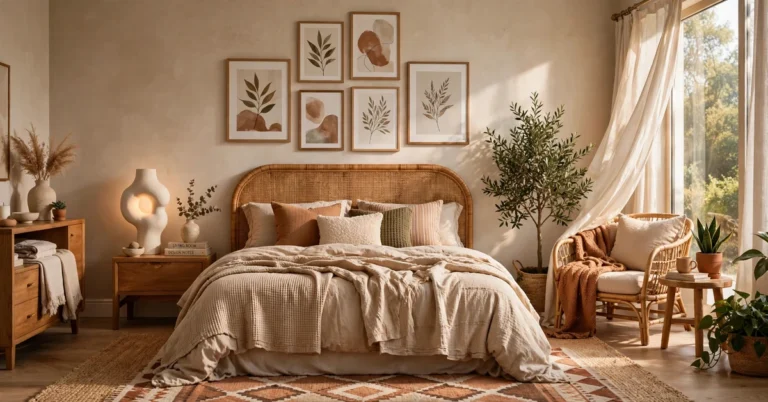
15 Bedroom Wall Painting Ideas, Creative Looks to Try
Bedroom wall painting ideas can turn a plain, forgettable wall into the most creative feature in your home. A few cans of paint, some painter’s tape, and a free weekend are often all you need. Forget flat, single color walls. Today’s techniques add shape, depth, and personality without a big budget. This guide gathers 15 looks that work in real American bedrooms, from rentals to family houses. You’ll find technique, color, and prep advice, plus a quick comparison table, honest cost breakdowns, and answers to common questions.
Why Creative Wall Painting Is Trending in US Bedrooms
Homeowners and renters across the United States are moving past the single-color wall and treating paint as a design tool. Among current bedroom wall painting ideas, arches, color blocking, and soft texture finishes lead the way. Earthy greens, warm clay, and dusty blues replace stark white and cool gray. Painting is the most affordable way to personalize a room, and social media tutorials have made advanced techniques feel approachable for first time DIYers.
1. Painted Arch Behind the Bed
A painted arch works like a headboard that never needs dusting. Trace a wide arch behind the bed using a pencil and length of string, tape the outline, and fill it with terracotta, olive, or dusty rose. A painted arch wall looks custom and costs almost nothing. Seal the tape edges with the base wall color first, and the lines come out crisp. Remove the tape while the paint is slightly wet.
2. Color Blocking with Bold Shapes
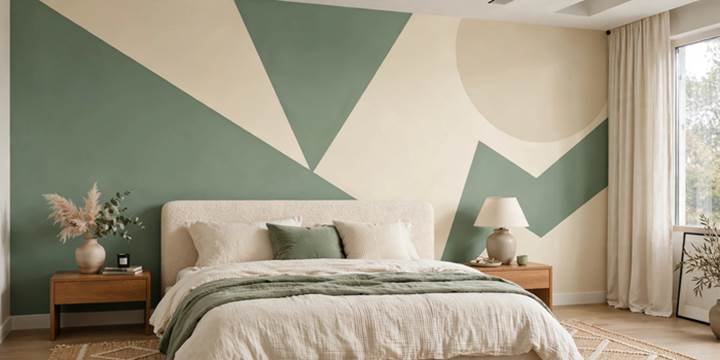
Color blocking uses simple shapes and contrasting shades to create a modern, graphic wall. Try a half circle, a tall rectangle, or two stacked bands of color behind the headboard. Color block wall painting works best with two or three shades from the same family, such as sage, cream, and moss. Measure carefully and use a laser level for straight lines. The result feels artistic, playful, and surprisingly sophisticated.
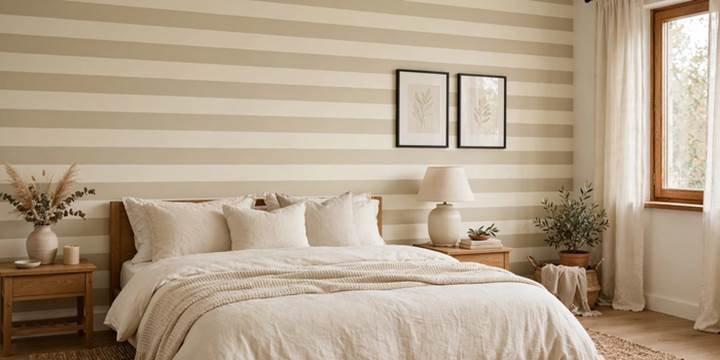
3. Horizontal Stripes
Stripes add rhythm and can reshape a room. Wide horizontal bands stretch into a narrow bedroom, while thin lines feel tailored and classic. Choose painted wall stripes in two close shades, such as cream and oatmeal, for a quiet, restful look. Measure and mark each line with a level, then press the tape firmly along the edge. Paint the lighter shade first and let it dry fully before taping the second color.
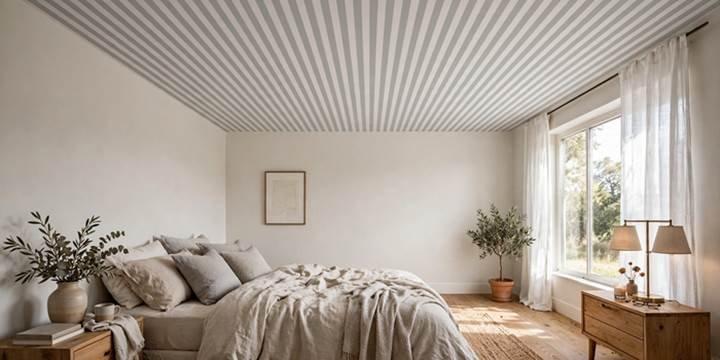
4. Vertical Stripes for Height
Vertical stripes draw the eye upward and make low ceilings feel taller. Try soft gray and white, or sage and cream, for a calm, refined effect. Vertical stripe paint suits traditional, farmhouse, and coastal bedrooms. Use a plumb line or laser level, because a slight tilt shows immediately. Keep the stripes an even width and choose a matte finish to reduce glare. The pattern adds subtle order and quiet movement to the wall.
5. Ombre Wall Fade
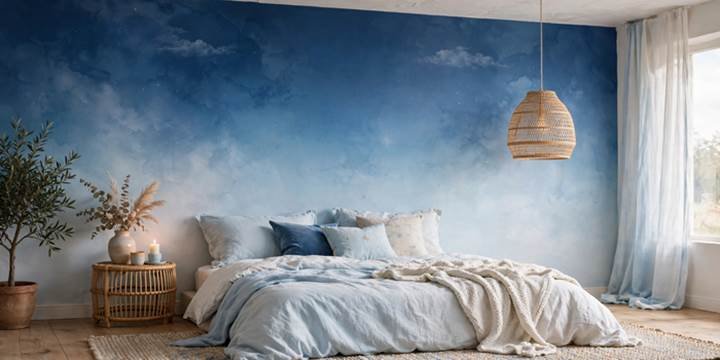
An ombre wall blends one shade into another for a dreamy, gradient effect. Start with a deep color at the floor and fade to a lighter tone near the ceiling or reverse it. A wall ombre paint technique needs a wet on wet approach: apply overlapping bands of paint and blend the seams with a dry brush while they are still damp. Work in small sections. The soft transition feels calming, like a sunset spread across your wall.
6. Limewash Textured Finish
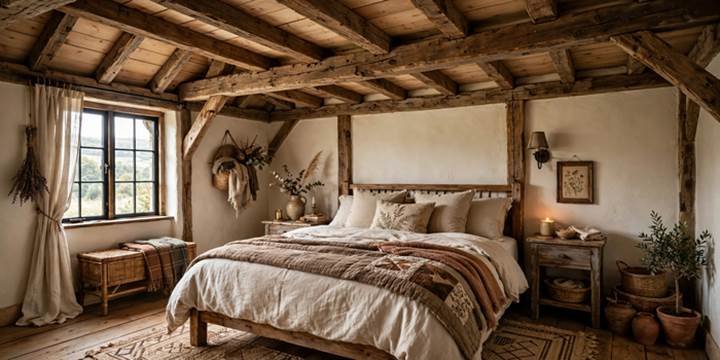
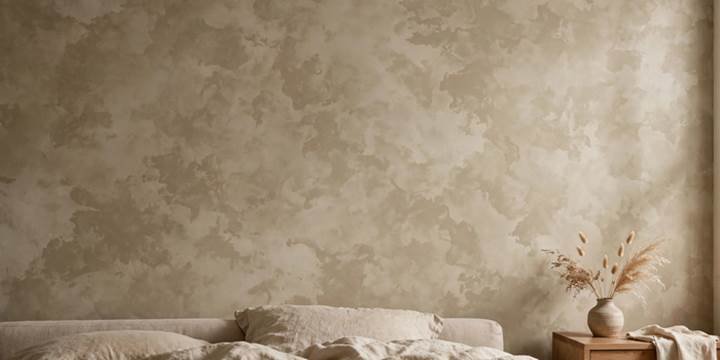
Limewash creates soft, cloudy walls that look like aged plaster. The mineral based paint dries with gentle brush marks, so no two walls look alike. A lime wash wall finish suits Jalanda, Mediterranean, and modern organic bedrooms. Apply it in crisscrossed strokes with a wide brush and expect subtle movement rather than flat color. Warm whites, taupes, and pale clay tones look especially beautiful. The finish is matte, breathable, and full of quiet character.
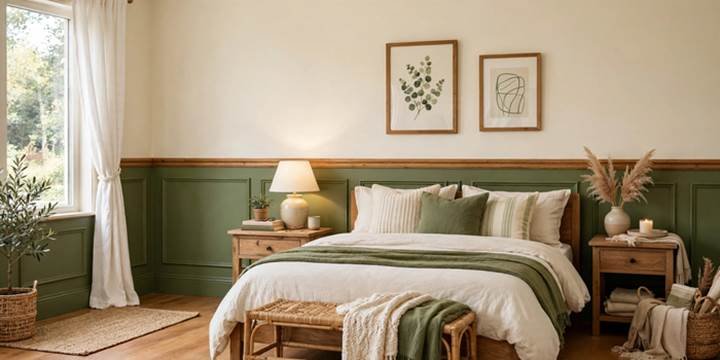
7. Two Tone Wall with Chair Rail
Split the wall for a tailored, custom look. Paint the lower third in a deeper shade, then finish the upper section in a lighter color, dividing them with a chair rail or a painted line. Two tone wall paint protects the lower wall from scuffs and adds architectural interest. Try moss green below with cream above, or navy beneath pale gray. It suits traditional, cottage, and farmhouse bedrooms alike.
8. Painted Board and Batten
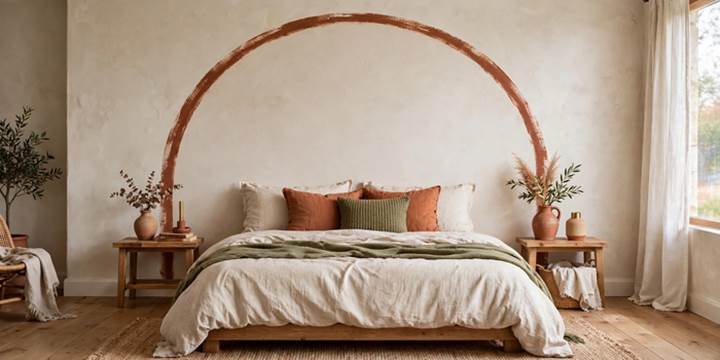
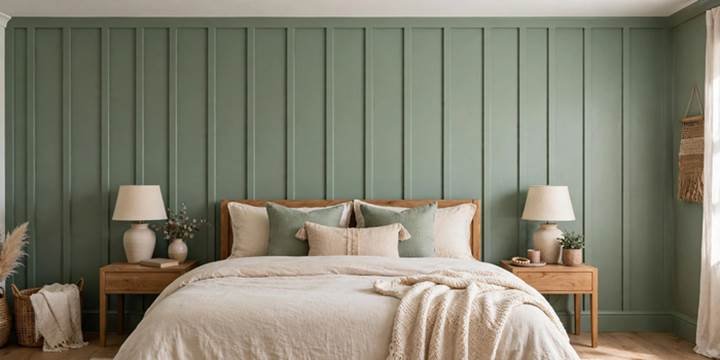
Board and batten add texture and shadow to a plain wall. Install thin wood strips in a vertical grid, then paint the whole wall in a single shade for a seamless, sculpted look. Painted board and batten in sage, navy, or warm white gives the room a crisp, custom finish. Use caulk to close the seams before painting. A stain or eggshell finish highlights the shadow lines and stays easy to wipe clean.
9. Faux Headboard Painted on the Wall
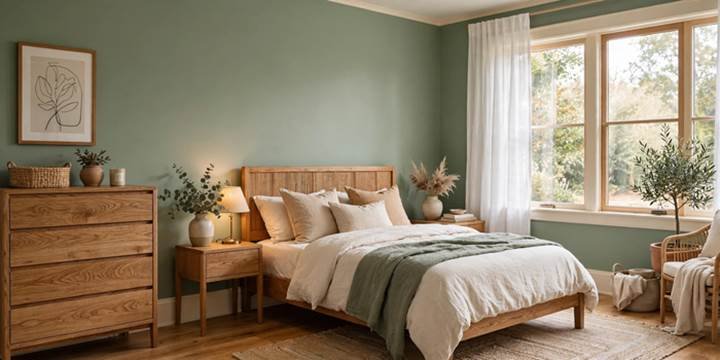
A painted headboard gives a bed instant presence without any furniture. Outline a tall rectangle or a soft scalloped shape behind the mattress and fill it with a deeper color. A painted headboard wall looks like a designer detail and suits renters and small rooms. Extend the shape a few inches wider than the bed. Choose a color that pairs with your bedding, such as deep green with cream linens.
10. Dark Moody Accent Wall
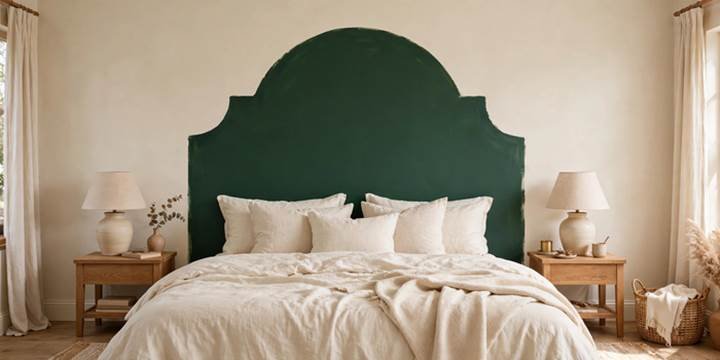
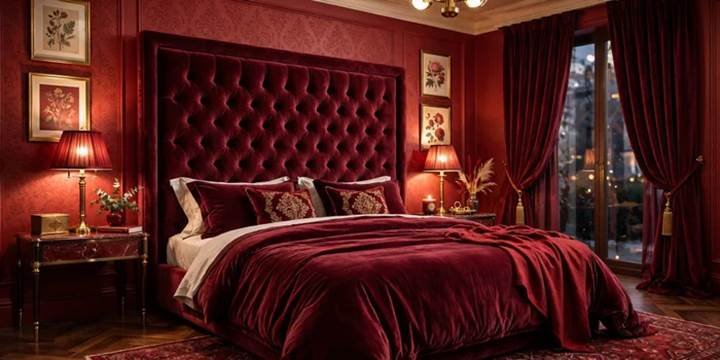
A deep color wall wraps the bed in cozy drama. Forest green, navy, plum, and soft black all work beautifully behind a headboard. A dark accent wall hides shadows and makes bedding glow. Choose a matte or eggshell finish and add warm lighting to keep it inviting. Prime with a tinted primer for better coverage. Paint the neighboring walls in a soft, light neutral so the dark color feels deliberate.
11. Painted Ceiling Extension
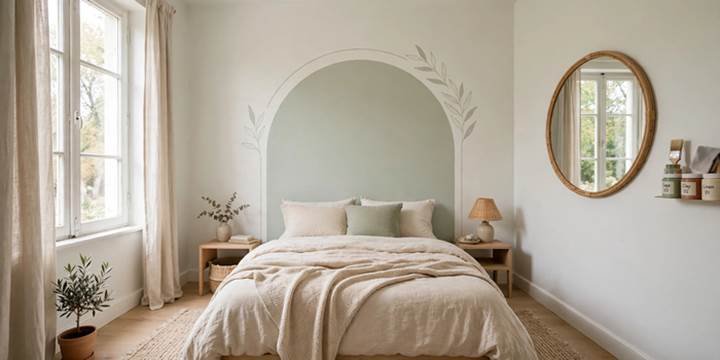
Bring the wall color onto the ceiling for an enveloping effect. Paint the ceiling and upper wall in the same shade, then stop at a curved or straight line, such as a picture rail. Painted ceiling paint makes the room feel cozy and unexpectedly elegant. Sky blue, soft blush, and pale sage look lovely overhead. Use a flat finish to hide flaws and reduce glare and protect the floor with a large drop cloth.
12. Hand Painted Mural or Botanical Design
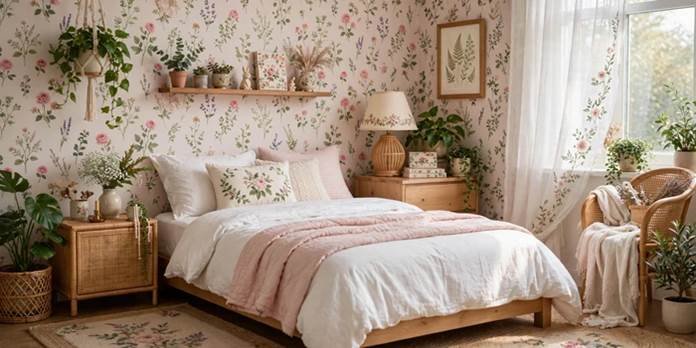
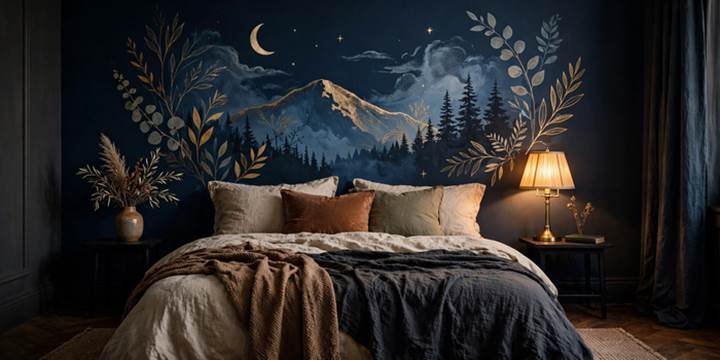
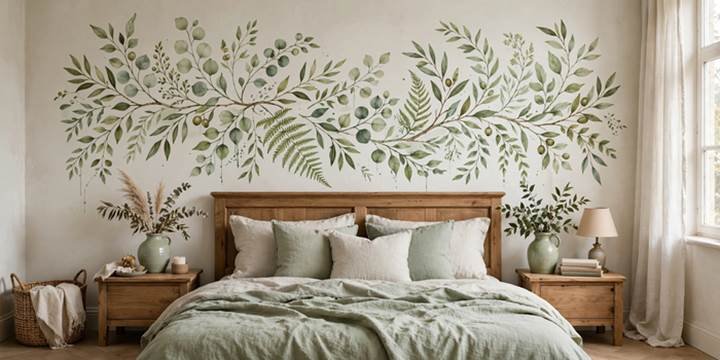
A hand painted mural adds one of a kind personality. Sketch simple leaves, branches, or wildflowers in chalk, then fill them with a small brush and craft paint. A botanical wall mural looks stunning above a headboard in soft greens and creams. You do not need advanced skills, because loose, organic shapes look natural. Use a projector or printed template for guidance. The wall feels artistic, gentle, and completely unique to you.
13. Geometric Pattern with Tape
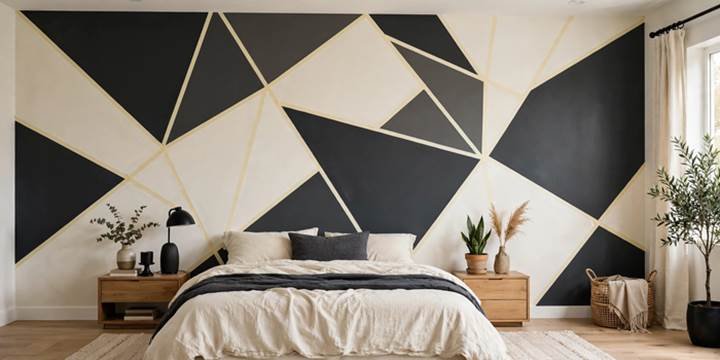
Geometric patterns bring structure and modern energy. Use painter’s tape to create diamonds, triangles, or chevrons in two coordinating shades. A geometric wall paint design looks especially sharp in a two tone palette like charcoal and cream. Plan the layout on paper first, then mark the wall with a pencil and level. Press the tape edges firmly and remove it while the paint is still slightly tacky for crisp lines.
14. Sage Green Wall Painting
Sage green wraps a bedroom in soft, leafy calm. Its gray green tone echoes fresh herbs and morning fog, which helps the room feel restful. Sage green paint looks lovely with warm white trim, oak furniture, and linen bedding. Paint all four walls or limit it to one accent wall for a lighter effect. The color glows in daylight and turns cozy under lamps, and it works with both modern and traditional decor.
15. Small Bedroom Wall Painting Solutions
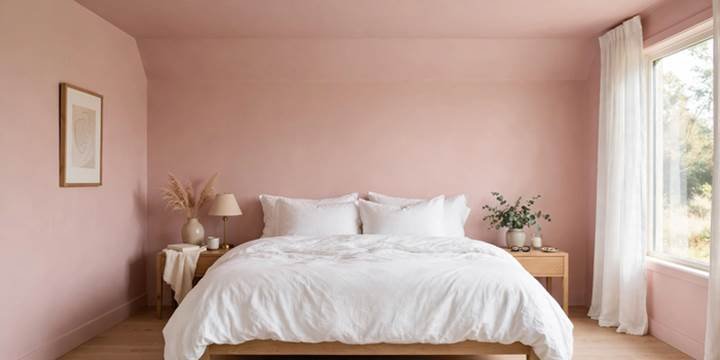
Small rooms need light, low contrast paint techniques. Choose pale, warm shades and paint the walls and trim the same color for a seamless, larger look. Small bedroom wall painting works best with subtle details such as a soft arch or a thin stripe. Avoid heavy dark patterns that shrink the space. Add a mirror opposite the window to bounce light. The room feels open, calm, and thoughtfully finished.
Bedroom Wall Painting Ideas at a Glance
| Item | Best For | Style/Room Type |
| Painted Arch | Budget faux headboard | Boho, modern, small rooms |
| Color Blocking | Graphic, artistic impact | Modern, playful |
| Horizontal Stripes | Widening narrow rooms | Coastal, modern, preppy |
| Vertical Stripes | Adding height | Traditional, farmhouse |
| Ombre Fade | Soft, dreamy gradients | Romantic, boho, teen rooms |
| Limewash Finish | Textured, cloudy walls | Japandi, Mediterranean, organic |
| Two-Tone Wall | Custom architectural look | Traditional, cottage |
| Painted Board and Batten | Depth and texture | Farmhouse, transitional |
| Painted Headboard | Renter-friendly focal point | Small bedrooms, renters |
| Dark Accent Wall | Cozy drama | Moody, modern, large rooms |
| Ceiling Extension | Enveloping, cozy feel | Any style with a good ceiling |
| Hand Painted Mural | One of a kind personality | Boho, cottage, nursery |
| Geometric Pattern | Sharp, modern structure | Modern, mid-century |
| Sage Green Wall | Calm, natural mood | Organic, Scandinavian |
| Small Room Techniques | Making space feel larger | Apartments, guest rooms |
Bedroom Wall Painting Ideas FAQs
What is the easiest bedroom wall painting idea for beginners?
A painted arch or a simple accent wall is the easiest place to start. Both need only tape, a level, and one or two colors. Choose a matte paint, prep the wall with a light sanding, and seal the tape edges with the base color. Take your time with the outline. Small, simple shapes build confidence before you try stripes or geometric patterns.
How do I paint clean lines on a bedroom wall?
Use quality painter’s tape, and press the edge down firmly with a putty knife. Brush a thin coat of the base wall color along the tape edge to seal it, then apply your accent color. Remove the tape while the paint is slightly wet, pulling it away at a low angle. Let the wall cure fully before touching up any small gaps.
What paint finish is best for bedroom walls?
Matte and eggshell finishes work best. Matte hides imperfections and gives colors a soft, velvety depth, while eggshell adds slight durability and wipes clean easily. Avoid high gloss on walls, since it highlights flaws and reflects lamplight. Use satin or semi-gloss on trim and doors. For textured techniques like limewash, follow the manufacturer’s recommended finish and apply with a wide brush.
How many colors should I use on a bedroom wall?
Two or three colors are ideal for most painted designs. Choose shades from the same color family or pair a bold shade with two soft neutrals. Too many colors can feel busy in a sleeping space. Repeat one wall color in your bedding, art, or curtains so the design feels connected. Test samples on the wall and view them in morning and evening light.
Can I paint designs on my bedroom wall if I rent?
Often yes, but check your lease first and ask your landlord for permission in writing. Choose simple designs so you can repaint the wall in the original color before you move out. Keep the leftover paint and note the brand and color name. Use primer if you paint a dark shade. Peel and stick wallpaper offers a no paint alternative for strict leases.
Why Trust This Guide
This guide comes from hands on experience with home decor projects, plus careful research into current design trends and painting techniques. Every one of these bedroom wall painting ideas was chosen because it works in real rooms with real budgets, not just in styled photos. Costs reflect typical US pricing for materials and labor, and the tips draw on common mistakes homeowners and renters make. The goal is simple: help you paint a wall you’ll love looking at every day.
Cost and Time to Achieve Your Painted Bedroom Wall
DIY Costs and Timeline
Doing it yourself is the budget route. Quality paint runs $35 to $80 per gallon, while a sample pot for an accent shape costs $5 to $10. Painter’s tape, brushes, and rollers add $30 to $70. Limewash costs $60 to $120 per gallon. Board and batten materials run $150 to $400. Plan an afternoon for an arch or stripes, or a full weekend for a textured finish.
Professional Costs and Timeline
Hiring a pro adds speed and precision. Painters typically charge $2 to $6 per square foot of wall, so a standard bedroom often costs $350 to $900. Limewash and specialty finishes run $800 to $2,500. A muralist may charge $300 to $1,200 for a custom design, and carpenters charge $500 to $1,500 for board and batten. Most projects finish in one to three days.
Conclusion
The right bedroom wall painting ideas can turn a blank wall into a creative statement you look forward to seeing every morning. Whether you love a soft arch, crisp stripes, or a cloudy lime wash finish, there’s a technique here that fits your style, budget, and skill level. Start with a sample pot, live with the color for a few days, and trust your instincts. If this list sparked inspiration, save it to your favorite Pinterest board so you can find it when you’re ready to begin.