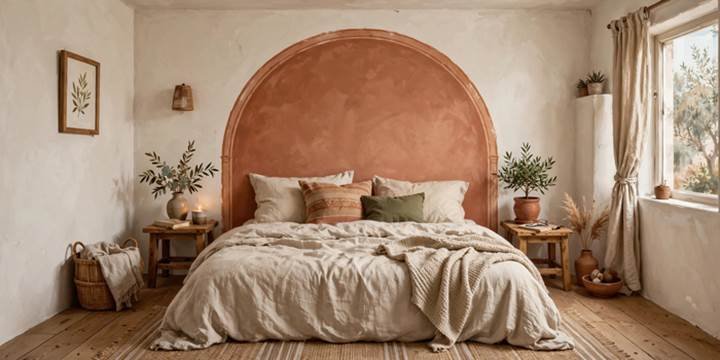
15 Kids Trending Bedroom Ideas That Grow With Them
Designing a room that keeps up with a growing child takes more than a cute theme and a matching bedspread. These kids bedroom ideas focus on layouts, colors, and furniture choices that flex as interests and needs change year after year. What makes this list different is its emphasis on longevity, giving you a space that feels fresh and functional through toddler years, elementary school, and beyond, without requiring a full redo every time tastes shift.
Across the US, kids bedroom design has moved away from themed, single-purpose decor and toward flexible, personality driven spaces that adapt over time. Parents increasingly favor neutral furniture paired with swappable accents, since repainting or replacing large pieces every few years adds up quickly. This shift reflects a broader focus on smart, sustainable design choices that support a child’s changing needs while still feeling playful, colorful, and genuinely their own.
1. Choose a Neutral Furniture Base
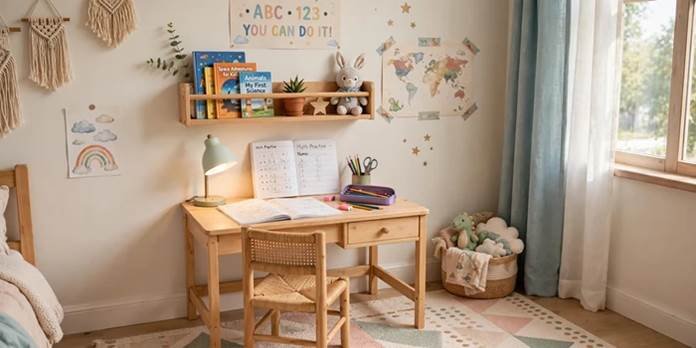
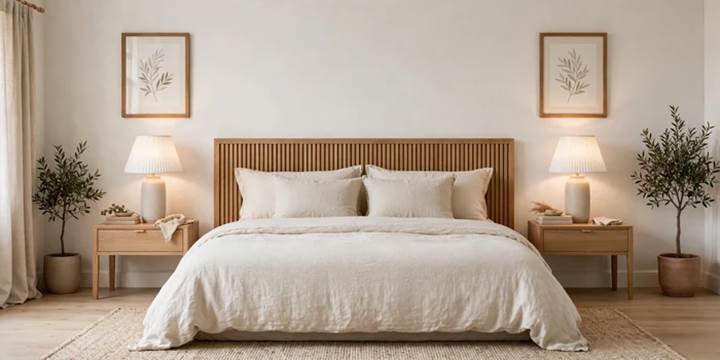
Building the room around a neutral furniture base, white, natural wood, or soft gray, means the bigger investment pieces won’t need replacing as your child’s tastes evolve. Personality can then be layered in through bedding, art, and accessories that are far easier and cheaper to swap out. This approach is one of the smartest, most cost effective kids bedroom ideas for long term planning.
2. Add a Growth Chart Wall
A growth chart wall, whether a printed ruler decal, a painted design, or a wooden growth chart leaning against the wall, adds a meaningful, sentimental touch that also doubles as decor. This detail becomes more special over time as marks accumulate, turning a simple wall feature into a genuine keepsake. It’s a favorite among kids bedroom ideas for its blend of function and lasting emotional value.
3. Use Removable Wallpaper for Personality
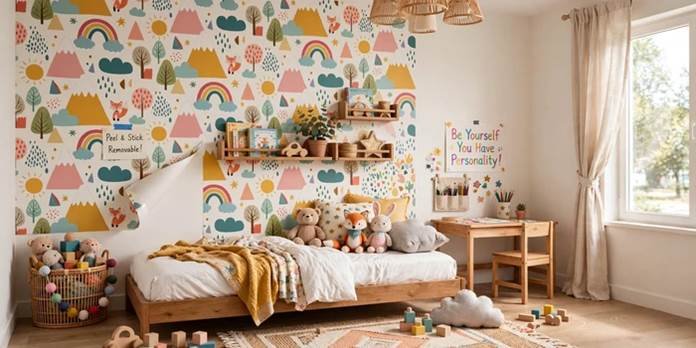
Removable wallpaper, in a playful pattern or mural, adds bold personality without the commitment or expense of paint, making it ideal for renters or rooms that will need updating as interests shift. Applying it to just one wall keeps the look impactful without overwhelming a small space. This flexible, low risk approach ranks among the most popular kids bedroom ideas for busy, budget conscious parents.
4. Create Age Appropriate Storage Zones
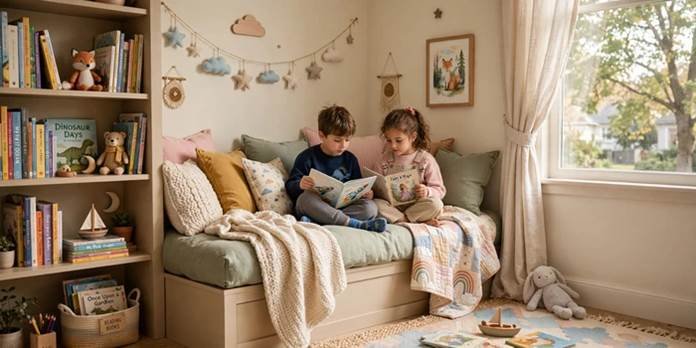
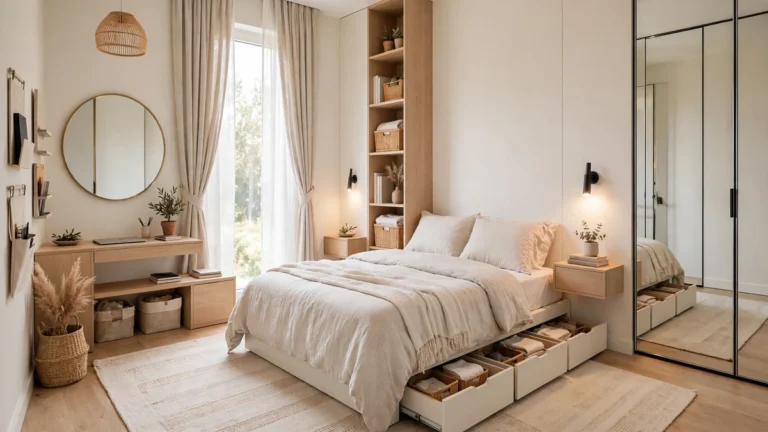
Low, accessible storage, open bins, floor-level shelves, and labeled baskets, helps even young children participate in tidying their own space. As kids grow, these same zones can shift to hold books, art supplies, or hobby gear instead of toys. Designing storage that scales with age is one of the most practical kids bedroom ideas for reducing daily clutter and building independence.
5. Incorporate a Reading Nook
A small reading nook, with a soft rug, floor cushions, and a compact bookshelf, encourages a love of reading while giving kids a cozy, low stimulation corner to retreat to. This addition doesn’t require much space and can evolve easily, swapping picture books for chapter books, then a comfortable chair as your child gets older. It remains a consistently requested feature among kids bedroom ideas.
6. Choose a Convertible Crib or Bed
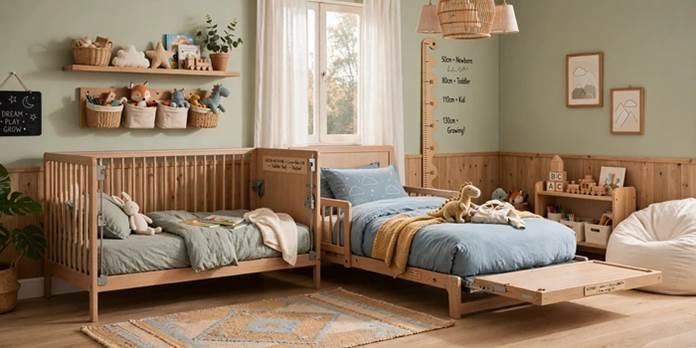
A convertible crib or bed, one that transitions from crib to toddler bed to full size frame, saves significant money and hassle over the years compared to buying separate furniture at each stage. This investment piece pairs well with a neutral color scheme, since the frame stays consistent while bedding and accessories update the look as your child grows into new interests.
7. Add a Chalkboard or Whiteboard Wall
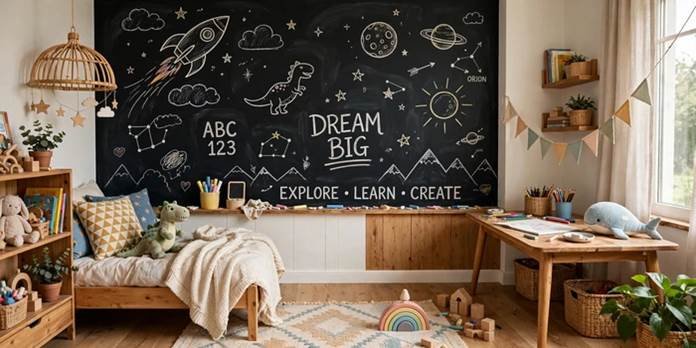
A chalkboard or whiteboard wall section gives kids a dedicated space to draw, doodle, or eventually jot down homework notes, all without marking up the actual walls. This interactive feature grows in usefulness as children age, shifting from scribbles to schoolwork. Framing the painted section with simple trim keeps it looking finished rather than like an afterthought.
8. Use a Bold Accent Color Sparingly
Introducing a bold accent color through a single wall, a rug, or bedding, rather than committing the whole room to one bright hue, keeps the space playful without limiting future flexibility. This approach allows the accent to be swapped easily as tastes change, while the neutral base remains untouched. It’s one of the more adaptable kids bedroom ideas for color-loving kids.
9. Add Open Shelving for Display
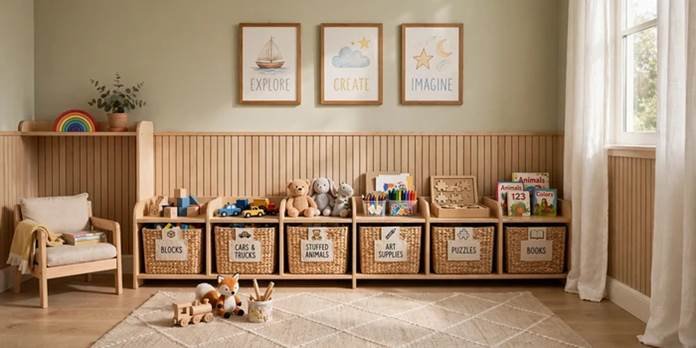
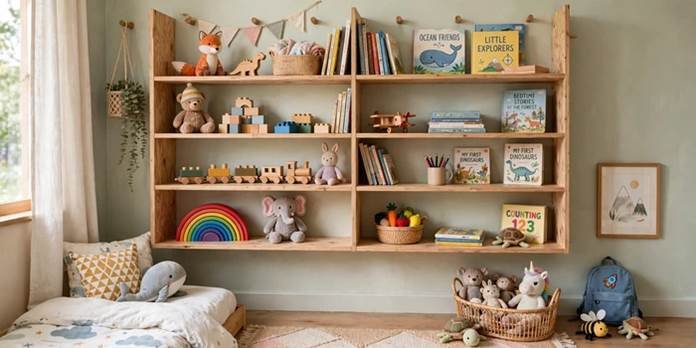
Open shelving gives kids a place to proudly show off favorite toys, books, or collections, encouraging a sense of ownership over their space. Unlike closed storage, visible shelves also make it easier for kids to find and put away items independently. Grouping displayed items by color or size adds a surprisingly polished, curated look to an otherwise casual feature.
10. Install Blackout Curtains
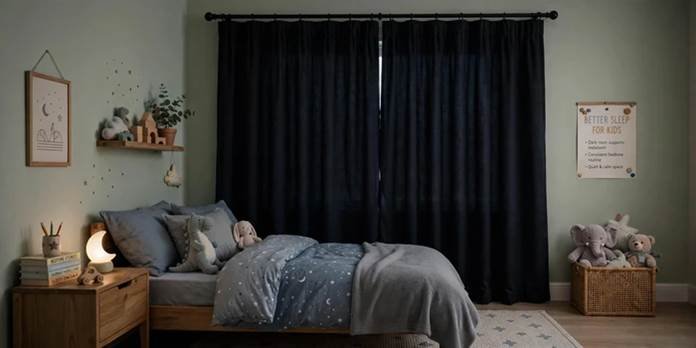
Blackout curtains support better sleep at every age, from a napping toddler to a teenager wanting to sleep in on weekends. Pairing a blackout liner with a soft, decorative outer curtain keeps the room stylish while still blocking early morning light. This practical addition is one of the most functional kids bedroom ideas, directly impacting sleep quality for the whole family.
11. Add a Small Desk or Homework Station
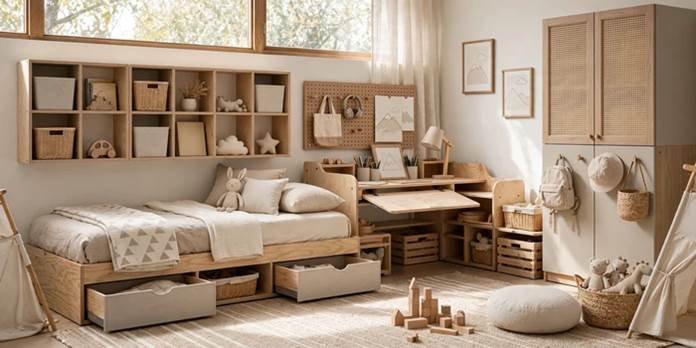
A small desk or homework station, even a simple wall mounted fold down design in tighter rooms, prepares a child’s space for schoolwork years before it’s actually needed. Positioning it near natural light supports focus and mood. This forward thinking addition is a practical kids bedroom idea that saves you from having to retrofit the room later when homework becomes part of daily life.
12. Choose Washable, Durable Fabrics
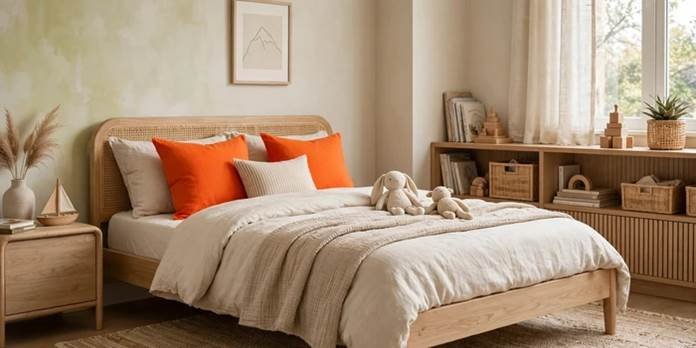
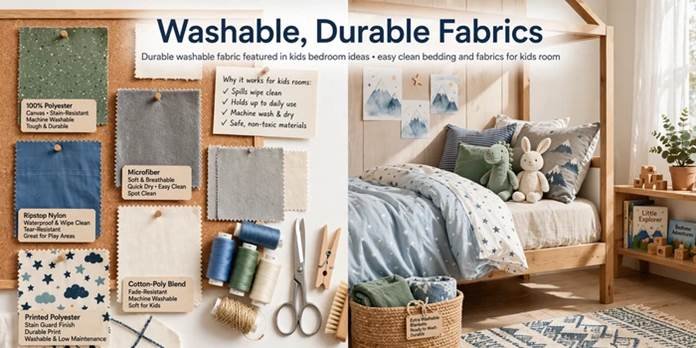
Selecting washable, durable fabrics for bedding, rugs, and curtains saves considerable frustration as kids spill, track in dirt, or simply live actively in their space. Cotton blends and performance fabrics hold up far better than delicate materials over years of daily use. This practical consideration belongs on every parent’s list of kids bedroom ideas, since function matters as much as appearance.
13. Add a Gallery Wall That Can Evolve
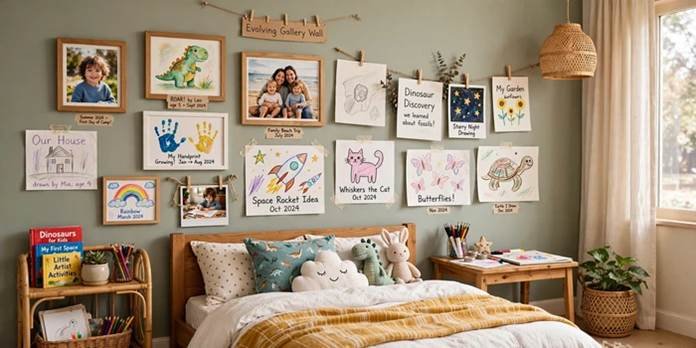
A gallery wall featuring a mix of art prints, photos, and kid made creations gives the room personality that naturally updates as your child grows and their interests change. Using consistent frame styles across different pieces keeps the wall cohesive even as individual items rotate. This flexible display is one of the most personal, long lasting kids bedroom ideas available.
14. Add Layered, Adjustable Lighting
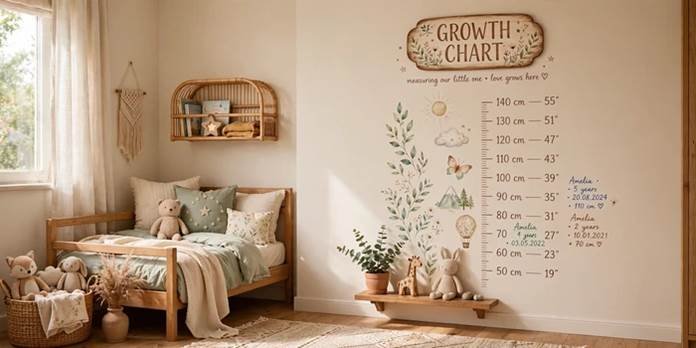
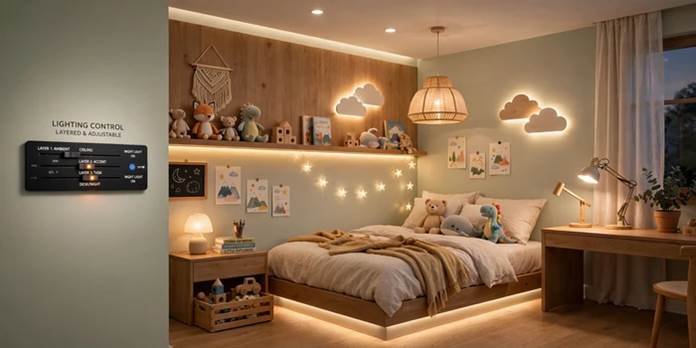
Layered, adjustable lighting, a dimmable overhead fixture paired with a soft nightlight or bedside lamp, supports everything from bedtime stories to late night reading as kids get older. Harsh, single source lighting can feel clinical, while warm, adjustable options add comfort and flexibility. This lighting approach rounds out a well planned room and adapts easily as sleep needs change over time.
15. Plan a Flexible Layout for Furniture Changes
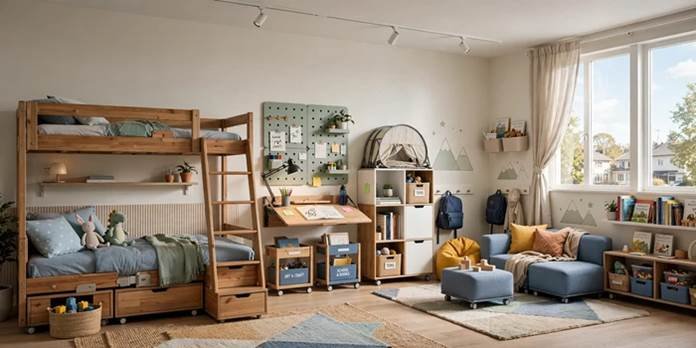
Designing the room with a flexible furniture layout in mind, leaving room to rearrange as a crib becomes a bed or a play area becomes a study corner, makes future transitions far smoother. Avoiding built in or overly fixed furniture placement keeps options open. This forward thinking approach ties together every other kids bedroom idea on this list into one adaptable, long term plan.
Kids Bedroom Ideas at a Glance
| Idea | Best For | Style / Room Type |
| Neutral furniture base | Long-term flexibility | Any kids’ bedroom |
| Growth chart wall | Sentimental, lasting decor | Any age room |
| Removable wallpaper | Bold personality without commitment | Rentals, shared rooms |
| Age-appropriate storage zones | Building independence | Toddler to elementary years |
| Reading nook | Encouraging quiet downtime | Any size room |
| Convertible crib or bed | Saving money over time | Nursery to school-age |
| Chalkboard or whiteboard wall | Creative and functional use | Elementary to teen years |
| Bold accent color | Playful, swappable personality | Any kids’ bedroom |
| Open shelving for display | Showcasing toys and collections | Eclectic, personalized |
| Blackout curtains | Better sleep at every age | Any kids’ bedroom |
| Small desk or homework station | Preparing for school years | School-age kids |
| Washable, durable fabrics | High-traffic, active rooms | Any kids’ bedroom |
| Evolving gallery wall | Personal, updatable decor | Any age room |
| Layered, adjustable lighting | Flexible bedtime and reading needs | Any kids’ bedroom |
| Flexible furniture layout | Smooth transitions over time | Any kids’ bedroom |
Frequently Asked Questions
How do I design a kids bedroom that will last for years?
Start with a neutral furniture base and a convertible bed if possible, then layer in personality through easily swappable elements like bedding, art, and accent colors. Choosing durable, washable fabrics and flexible storage also helps the room adapt as needs change. This approach lets the space evolve from toddler years through the teen years without requiring major furniture replacements along the way.
What is a good budget for decorating a kids bedroom?
A modest refresh using paint, bedding, and a few accessories typically costs between 150 and 400 dollars. A more complete room setup, including furniture like a convertible bed or desk, generally ranges from 700 to 2,000 dollars depending on quality and size. Spacing purchases out over time and prioritizing adaptable, durable pieces helps manage costs without sacrificing style or function.
How do I make a small kids bedroom feel organized?
Low, accessible storage zones help even young children participate in keeping their space tidy, while open shelving makes items easy to find and put away. Choosing furniture with visible legs and a neutral color palette also keeps a small room feeling open rather than cluttered. These practical kids bedroom ideas prioritize function without sacrificing a playful, age appropriate look.
What colors work best in a kids bedroom?
Soft neutrals as a base, paired with one or two bold accent colors through bedding, art, or a single wall, tend to work best for longevity. This combination allows personality to shine through without committing the entire room to a color your child might outgrow. Popular accent choices include warm yellows, soft greens, and muted blues, all of which pair easily with a neutral backdrop.
How can I involve my kid in decorating their own bedroom?
Letting kids choose a few specific elements, an accent color, a piece of art, or items for an open shelf, gives them ownership over the space without requiring a full redesign around their current favorite trend. This collaborative approach keeps the room feeling genuinely theirs while still allowing parents to guide the bigger, longer term design decisions like furniture and layout.
Why Trust This Guide
This guide was written by a home decor content creator who has designed and redesigned kids’ bedrooms through multiple stages, from nursery to elementary school, across several family homes. Every idea shared here reflects real experience balancing budget, durability, and a child’s genuinely changing preferences, not just aesthetic trends pulled from inspiration boards. The recommendations combine hands-on parenting experience with ongoing research into current design trends, ensuring practical, tested advice.
Cost and Time to Achieve These Ideas
Most kids bedroom ideas on this list are budget conscious and achievable over a weekend or two. DIY updates like a growth chart wall, open shelving, or a chalkboard section typically cost between 50 and 250 dollars and take a single afternoon, including paint drying time. Adding removable wallpaper generally runs 75 to 200 dollars for a single accent wall and takes a few hours to apply. A convertible crib or bed represents the larger investment, typically 300 to 900 dollars, with assembly taking a few hours if done independently. Hiring a professional for custom storage or a built-in desk usually costs 300 to 800 dollars, completed within a day or two.
Final Thoughts
A well planned kids bedroom should feel playful today while still working just as hard three or five years from now, and these kids bedroom ideas are meant to help you strike that balance. From a neutral furniture base to a cozy reading nook, small, flexible choices add up to a space that grows alongside your child instead of needing constant do-overs. If this list sparked a few ideas worth trying, save or pin it so you can return to it as your child’s needs change.