20 Cozy Baby Bedroom Ideas, Safe Nursery Looks
Setting up a space for a newborn is one of the sweetest projects you will ever tackle. The best baby bedroom ideas create a room that feels peaceful at 3 a.m., looks lovely in daylight, and keeps safety front and center. This guide walks through twenty nursery looks, from soft neutral palettes to dreamy cloud murals. Unlike a typical inspiration roundup, each idea includes practical notes on layout, materials, and baby-safe choices, so you can decorate with confidence and still enjoy the process.
Why Nurseries Are Getting Calmer and More Natural
Nursery design across the US has shifted toward calm, natural, and long lasting looks. Parents now favor soft earth tones, organic cotton, and warm wood over bright primary colors and heavy themes. Gender neutral palettes are popular, and so are rooms that can grow with a child, including convertible cribs and simple walls that adapt from toddler to big kid. Sustainability matters too, with more families choosing low VOC paint and secondhand furniture. Safety guidance keeps the focus on simple, uncluttered sleep spaces with plenty of thoughtful storage nearby.
1. Soft Neutral Color Palette
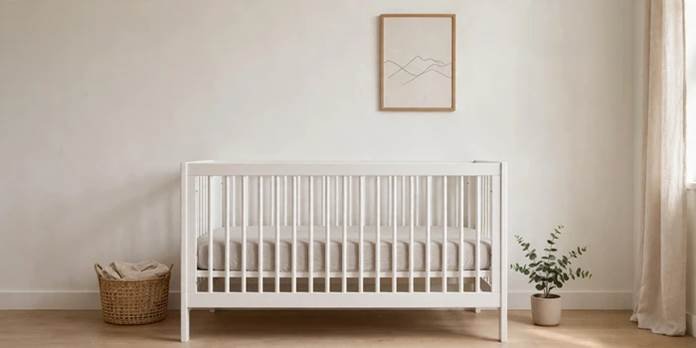
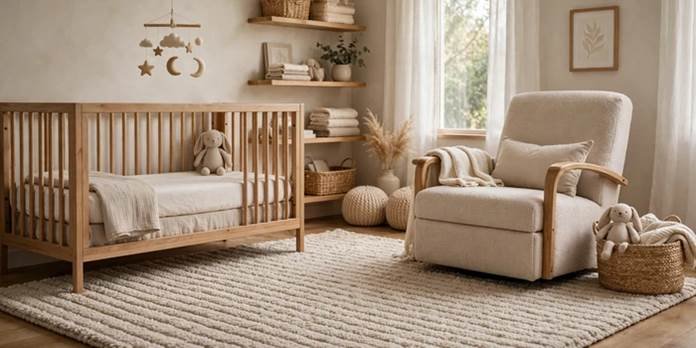
A neutral palette is the easiest way to build a nursery that feels restful and timeless. Think warm cream, oatmeal, and pale greige on the walls, with natural wood and white bedding layered on top. These shades reflect daylight beautifully and make small rooms feel larger. They also work for any gender and any future sibling. Add interest with texture, such as a chunky knit blanket in the chair or a woven basket by the dresser. Neutrals never feel dated, so you will not need to repaint soon.
2. Sage Green Walls
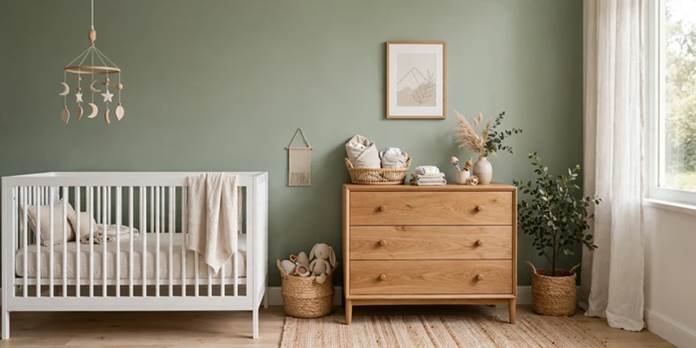
Green is gentle on the eyes and brings a bit of the outdoors inside. A muted sage green feels calm without turning too serious, and it pairs well with white cribs, oak furniture, and cream bedding. Choose a low VOC, washable paint in an eggshell finish so smudges wipe away easily. Paint the room at least a few weeks before the baby arrives so the fumes fully clear. Add a pop of warm terracotta or mustard in a pillow or art print for a cheerful touch.
3. Cloud and Sky Wall Mural
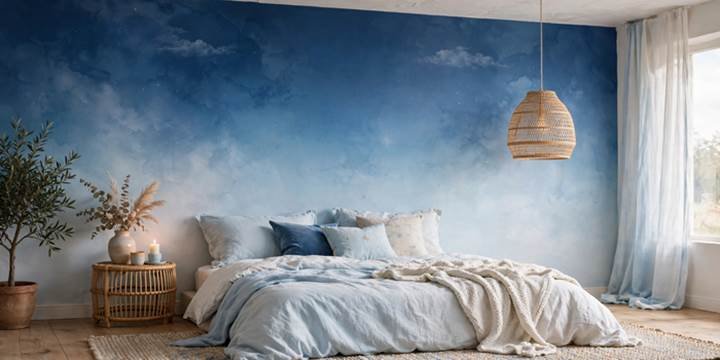
Soft clouds on a pale blue wall create a dreamy backdrop that you will love gazing at during late night feedings. A hand painted or peel and stick cloud mural works best behind the crib or above the changing table. Keep the blues light and the clouds fluffy for a gentle, sleepy mood. Peel and stick versions are renter friendly and easy to remove later. Smooth each panel from the center outward to avoid bubbles, and use matte finishes to prevent glare. It is a playful look that still feels serene.
4. Board and Batten Accent Wall
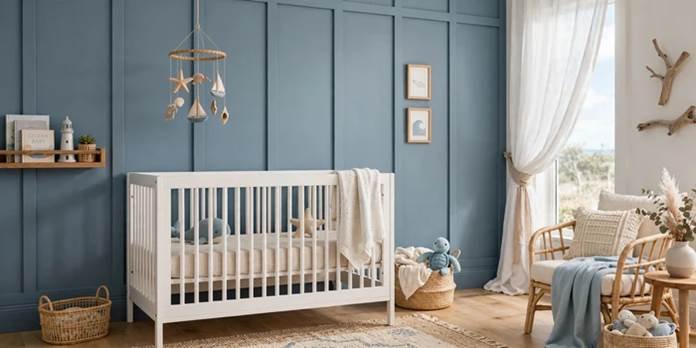
Vertical slats painted in a single soft color add architectural charm to a plain wall. A board and batten accent wall behind the crib gives the room depth, and it feels timeless rather than trendy. Paint it in warm white, dusty blue, or soft taupe, and keep the rest of the walls a lighter shade. You can build it yourself with MDF strips, wood glue, and a nail gun. The finished wall also shields drywall from scuffs later, which is useful as your baby grows into a toddler.
5. Crib as the Focal Point
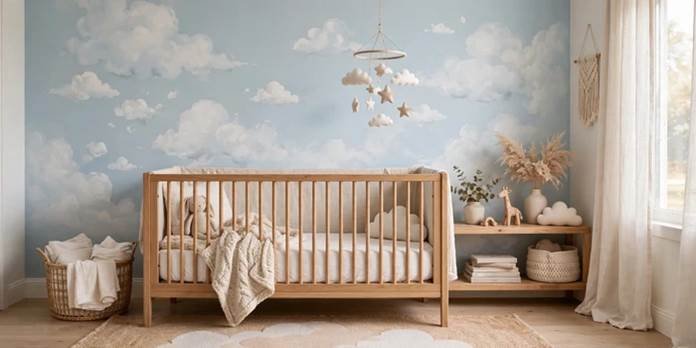
The crib is the heart of the room, so give it a spot with presence. Place it on an interior wall, away from windows, curtains, cords, and vents. Choose a sturdy crib in white, natural wood, or soft gray, and dress it simply with a fitted sheet only, since safe sleep guidelines call for a bare sleep space without bumpers, pillows, or blankets. Let the wall behind it carry the decoration. A clean, uncluttered crib looks calm and keeps nighttime routines simple and safe.
6. Convertible Crib That Grows With Baby
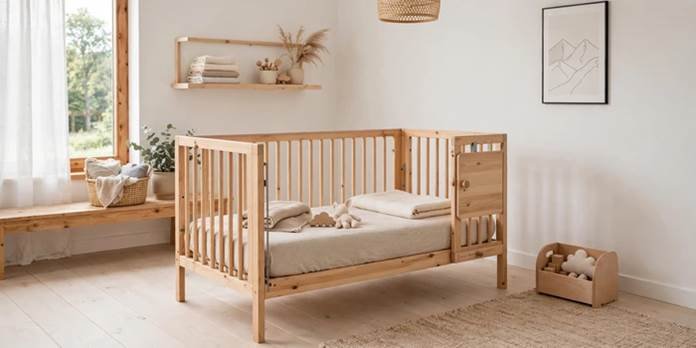
A convertible crib stretches your budget by changing with your child. Most models start as a crib, shift to a toddler bed, and eventually become a full size headboard and footboard. Look for solid wood or sturdy composite construction and a finish that is certified for baby use. Check that the mattress fits snugly with no gaps at the sides. Choose a classic silhouette in white or natural oak so it blends with future decor. You will save money and avoid shopping for a new bed in a few years.
7. Cozy Glider and Reading Corner
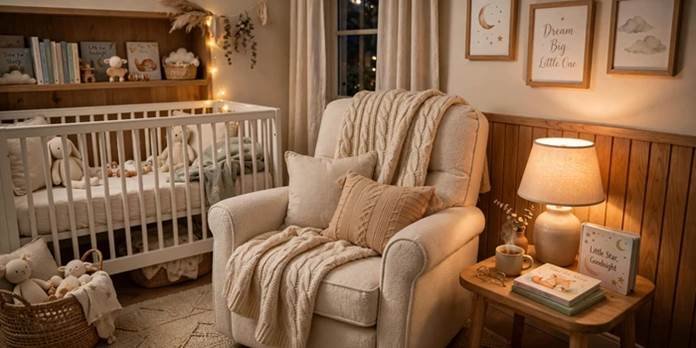
You will spend many hours in the nursery chair, so make it comfortable. A cushioned glider or recliner with good back support makes feedings and bedtime stories easier. Place it near a window for soft daylight or beside a dimmable lamp for evenings. Add a small side table for water, burp cloths, and a book, plus a throw blanket for chilly nights. Choose a performance fabric that wipes clean easily, since spills and spit up are guaranteed. A cozy corner becomes the emotional center of the room.
8. Woven Baskets for Easy Storage
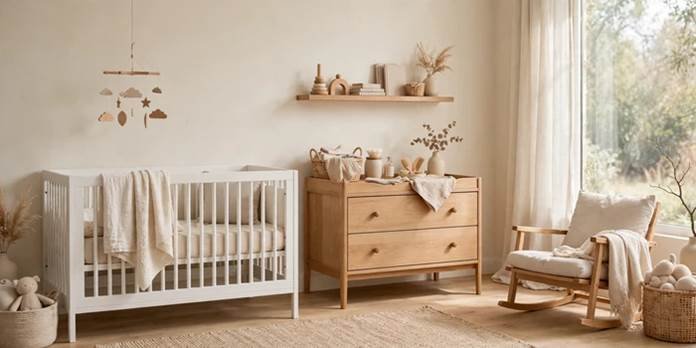
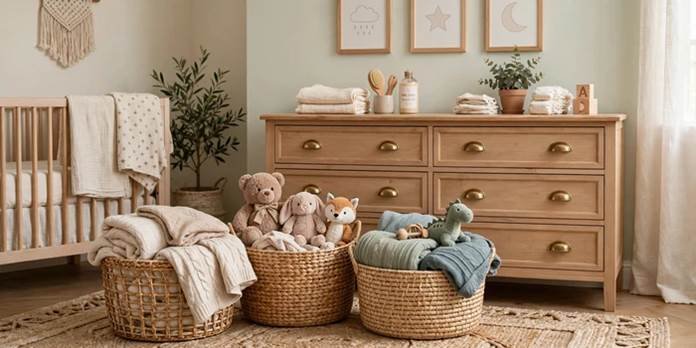
Babies come with a lot of small things, so smart storage keeps the room peaceful. Use woven seagrass or cotton rope baskets for diapers, blankets, stuffed animals, and toys. Place one beside the changing area, another by the reading chair, and a larger one on the floor for bigger items. Labels help tired parents find things quickly. Baskets also add natural texture that softens the lines of cribs and dressers. Choose ones with smooth edges and no loose fibers so nothing snags tiny fingers later.
9. Floating Shelves and Book Ledges
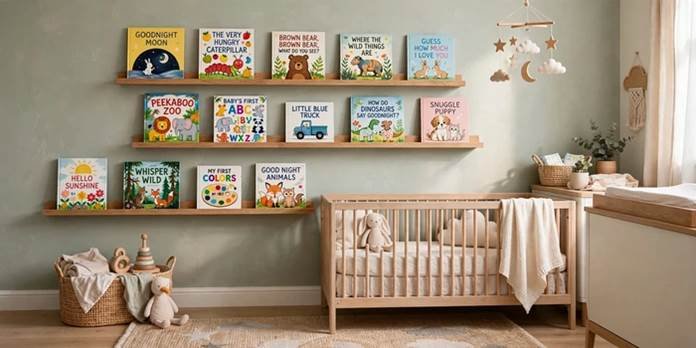
Wall shelves free up floor space and put favorite books on display. Install picture ledges at an easy to reach height so a future toddler can pick out a story, or mount higher floating shelves for keepsakes you want out of reach. Facebook covers outward so the colors double as art. Keep heavy items low and anchor every shelf securely into wall studs. Avoid placing shelves directly above the crib. Limit decorations to a few meaningful pieces so the room stays airy and uncluttered.
10. Blackout Curtains for Better Sleep
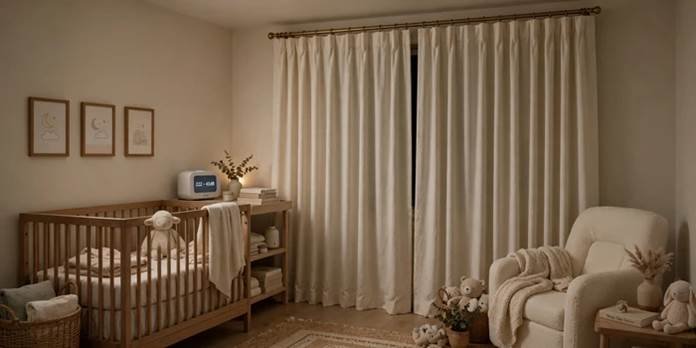
Good sleep matters for the whole household, and darkness helps babies nap longer. Hang blackout curtains on a rod mounted high and wide, so they block light along the edges. Choose cordless operation, or tie any cords well out of reach, because window cords are a serious hazard. Soft cotton or linen blends in cream, sage, or dusty blue feel cozy and look elegant. Add a sheer layer if you want gentle daylight during the day. Pair the curtains with a white noise machine for peaceful, steady rest.
11. Warm, Dimmable Lighting
Harsh overhead light is the enemy of midnight diaper changes. Layer dimmable lamps and a soft nightlight so you can see without waking the baby fully. Choose warm bulbs around 2700 Kelvin for a golden glow, and keep all cords tucked away behind furniture. A small table lamp near the glider works well for feedings, while a wall-plugged nightlight guides you through the dark. If you can install a dimmer switch on the ceiling fixture, you gain even more control. Good lighting makes the room feel calm in every hour.
12. Boho Nursery With Rattan and Macramé
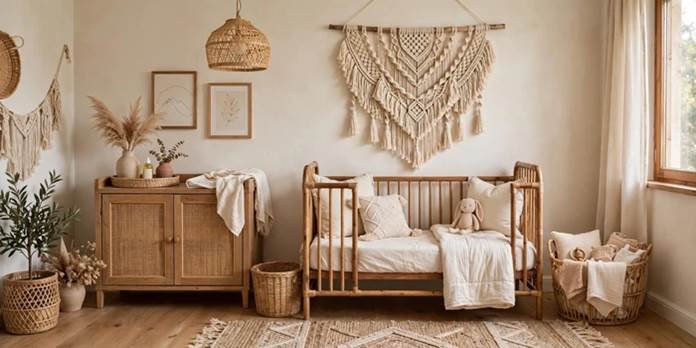
Natural fibers and soft earthy tones create a relaxed, bohemian nursery. Hang a macramé wall piece high above the changing table, add a rattan mirror or basket, and layer cotton bedding in cream, terracotta, and sand. Keep the palette quiet so the textures can shine. Be careful with anything dangling, since long cords and fringe must stay well out of reach of the crib. Dried pampas grass is a popular accent, but secure it in a high vase. The mood feels earthy, warm, and very welcoming.
13. Woodland Animal Theme
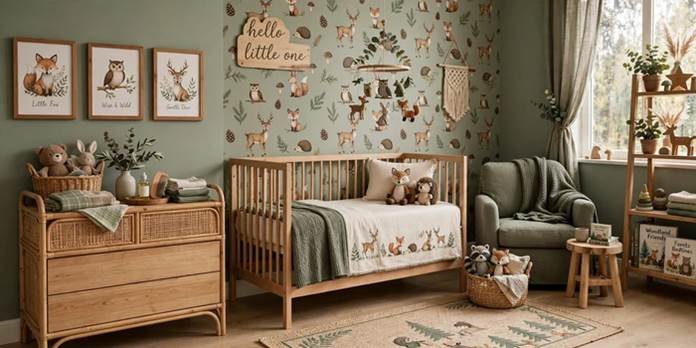
A woodland theme feels sweet without turning childish. Use soft illustrations of foxes, deer, and owls on framed prints and a single wallpaper wall, then keep furniture simple and natural. Stick to a muted palette of forest green, rust, cream, and warm brown so the theme stays grown up. Plush toys look cute on the glider, but keep them out of the crib during sleep. This idea makes a charming nursery for any child and gives you endless storybook ideas as your little one grows.
14. Wallpaper Accent Wall
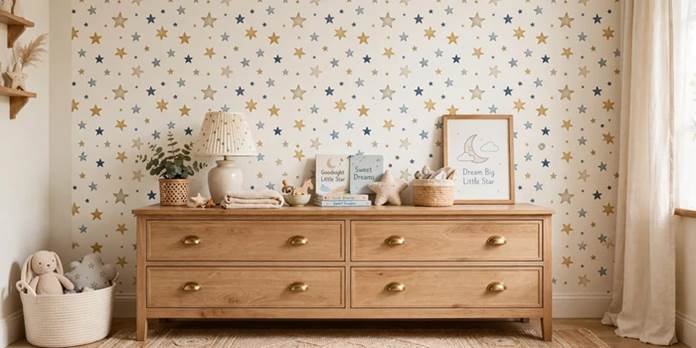
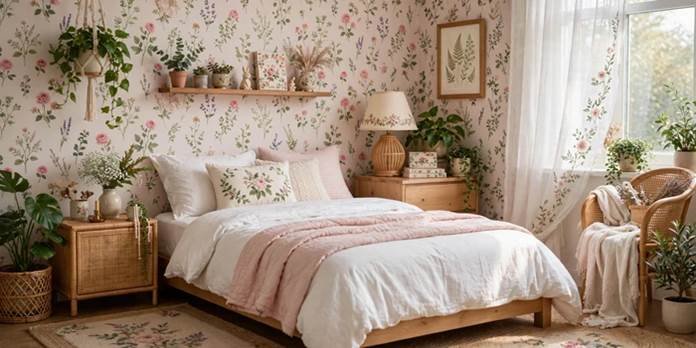
A single wallpapered wall adds personality without overwhelming a small nursery. Choose a gentle pattern like tiny stars, botanical leaves, or soft stripes in muted tones. Peel and stick versions are easy to apply and gentle on walls, while traditional paper offers a more luxe finish. Position the pattern behind the crib or dresser, where it frames the main furniture. Look for products labeled low VOC and washable. Pair the wall with solid, textured bedding so the room stays balanced and calm rather than busy.
15. Plush Washable Rug
A soft rug warms up hard floors and gives you a cushioned spot for tummy time. Choose a low pile, machine washable rug in a neutral tone, and add a non slip pad underneath to prevent sliding. Cotton, wool, and washable polyester blends all work well, and they handle spills far better than delicate fibers. Size it large enough to extend beyond the crib and glider so the room feels grounded. Vacuum regularly and spot clean quickly. A good rug also dampens noise, which is helpful in homes with active older siblings.
16. Gallery Wall of Prints
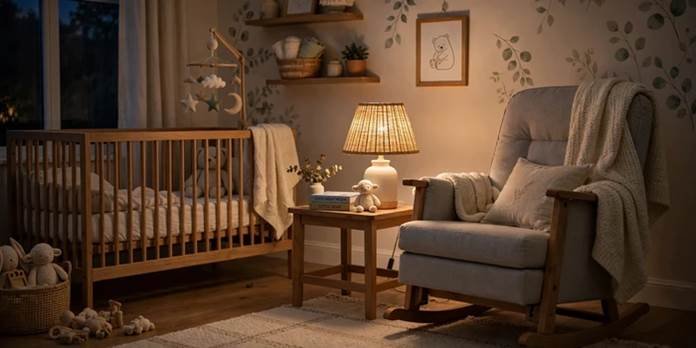
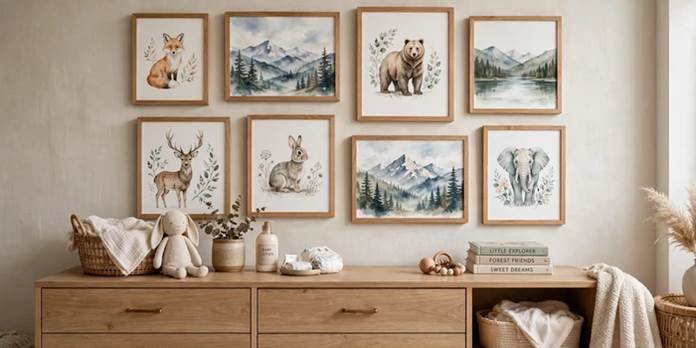
A gallery wall lets you build a story over time. Mix framed prints of animals, letters, and landscapes in white or natural wood frames, and keep the colors soft and cohesive. Start by laying out the arrangement on the floor, leaving two to three inches between frames. Hang the group above the dresser or glider, never over the crib. Use lightweight acrylic or plastic glazing rather than glass for safety. Swap in family photos and your child’s own first drawings as the years go by.
17. Dresser With a Changing Station
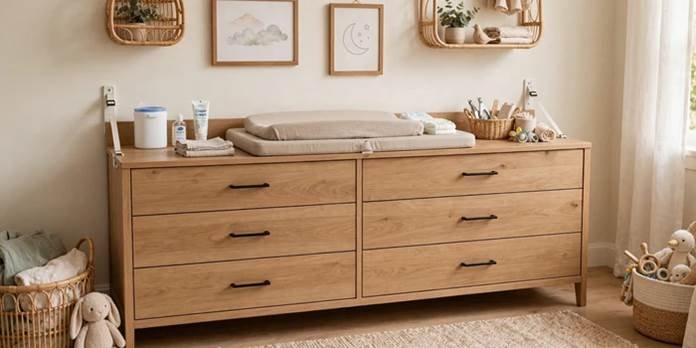
A sturdy dresser topped with a contoured changing pad is the most practical way to combine storage and function. Choose a wide, low dresser with deep drawers, and keep diapers, wipes, and creams within easy reach on the top shelf or a nearby tray. Anchor the dresser to the wall with furniture straps, since tip overs are a real danger once your child starts climbing. Always keep one hand on the baby during changes. After the diaper years, remove the pad and enjoy a stylish dresser for the long run.
18. Moon and Stars Celestial Theme
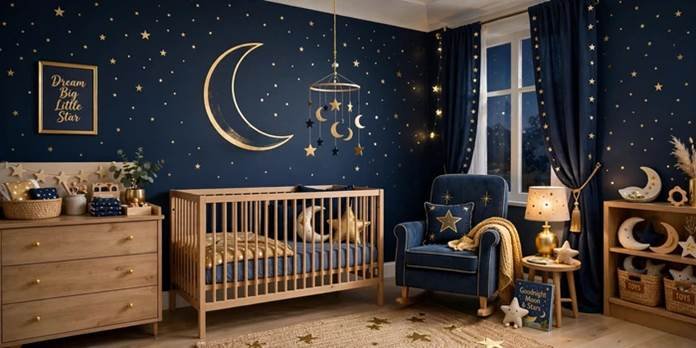
A celestial nursery feels magical at night and calm by day. Try a crescent moon wall decal, soft star prints, and a deep navy or warm gold accent on bedding and pillows. Keep the base palette soft so the room stays restful. A small moon shaped lamp provides a gentle glow for feedings. Avoid hanging mobiles or garlands over the crib, and place any wall pieces securely. This theme grows beautifully with a child, since it can easily shift from baby to big kid with simple art swaps.
19. Tiny Play Corner With a Soft Mat
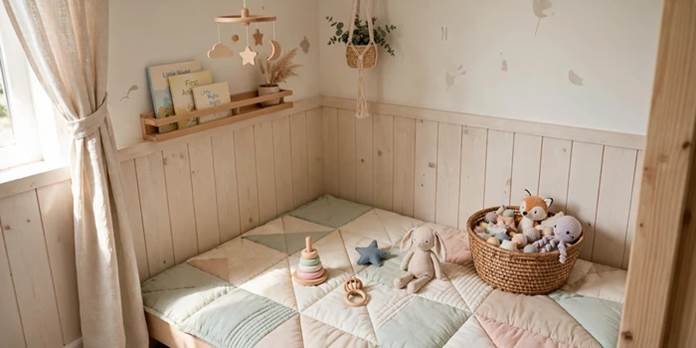
Even a small nursery can hold a mini play zone. Set a thick foam or quilted play mat in one corner with a low basket of soft toys and a wall mirror at floor level for tummy time. Add a few cloth books and a gentle mobile on a stand outside the crib. The corner can become a toddler play space later with simple tweaks. Keep the area tidy by limiting how many toys you keep out, and rotate them weekly to keep your baby curious.
20. Heirloom Touches and Keepsakes
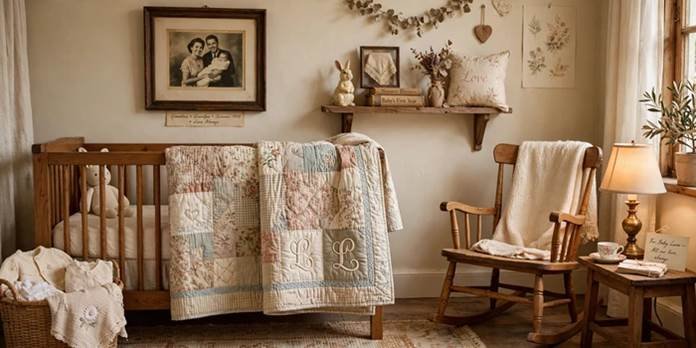
Meaningful details make a nursery feel personal. Display a framed family photo, a handmade quilt, or a childhood book from your own early years on a shelf or the glider. A wooden name sign above the dresser adds a warm, welcoming touch, as long as it is securely mounted. Choose pieces that feel special rather than trendy, since they will hold sentimental value for decades. Keep keepsakes out of reach of grabbing hands. These small stories turn a pretty room into one that feels deeply loved.
Baby Bedroom Ideas at a Glance
| Item | Best For | Style/Room Type |
| Soft neutral palette | Gender neutral, timeless rooms | Minimalist, calm |
| Sage green walls | Peaceful, nature inspired rooms | Organic, modern |
| Cloud and sky mural | Dreamy, playful backdrops | Whimsical, soft |
| Board and batten accent wall | Adding architectural depth | Classic, transitional |
| Crib as focal point | Safe, simple sleep area | Any style |
| Convertible crib | Budget-conscious parents | Practical, long-lasting |
| Glider and reading corner | Late-night feedings | Cozy, functional |
| Woven baskets | Everyday toy and diaper storage | Boho, natural |
| Floating shelves and book ledges | Small rooms | Modern, space-saving |
| Blackout curtains | Better sleep and naps | Practical, soft |
| Dimmable lighting | Nighttime care | Warm, calming |
| Boho rattan and macramé | Earthy, textured rooms | Bohemian, natural |
| Woodland animal theme | Storybook charm | Whimsical, rustic |
| Wallpaper accent wall | Adding pattern simply | Elegant, playful |
| Plush washable rug | Tummy time and noise control | Cozy, family-friendly |
| Gallery wall of prints | Evolving decor | Curated, personal |
| Dresser changing station | Storage and function in one | Practical, modern |
| Moon and stars theme | Nighttime magic | Celestial, dreamy |
| Play corner with soft mat | Small play space | Functional, playful |
| Heirloom touches | Personal, sentimental rooms | Traditional, warm |
Frequently Asked Questions
What do you need in a baby bedroom?
A baby bedroom needs a safe crib with a firm mattress, a dresser or storage, a changing area, a comfortable chair, and soft lighting. Add blackout curtains for naps, a rug for tummy time, and baskets for tidy storage. Keep the crib bare, with only a fitted sheet, and anchor all furniture to the wall. Everything else is a bonus. Start with the essentials, then add decorative touches as your budget and time allow.
What colors are best for a baby bedroom?
Soft, calm colors work best for a baby bedroom. Cream, warm white, pale gray, sage green, dusty blue, and gentle blush all create a restful atmosphere. These shades also adapt well as your child grows. Bright, high contrast colors can feel stimulating, so use them sparingly in art or toys. Test paint samples in daylight and lamplight before choosing. Low VOC paint is a good idea, and you should paint a few weeks before the baby arrives.
How do I decorate a small baby room?
Use vertical space and keep the palette light. Mount shelves for books and keepsakes, choose a slim dresser that doubles as a changing station, and place the crib against the longest wall. A mirror helps bounce light around, and a neutral rug adds comfort without clutter. Skip bulky furniture and rely on baskets for storage. Keep surfaces tidy and decorations simple so the room feels open, calm, and easy to move around in.
When should I set up the nursery?
Many parents start setting up the nursery during the second trimester, once energy levels are higher and the due date still feels far away. Aim to finish painting and assembling furniture by about 32 to 36 weeks so you have time to air out the room and wash all linens. Leave a little flexibility in case the baby arrives early. A calm, ready space also helps you feel more prepared and relaxed as the due date approaches.
Is it safe to put a crib near a window?
It is safer to keep the crib away from windows. Cords from blinds and curtains can be a strangulation risk, and drafts, direct sunlight, or temperature swings can disturb a baby’s sleep. If a window is the only option, use cordless coverings and place the crib well out of reach of any cords or hardware. Always check the manufacturer’s guidelines and follow safe sleep recommendations from pediatric health organizations.
Why Trust This Guide
This guide comes from years of writing about home decor, researching nursery trends, and studying safe sleep and furniture guidance for families. Each idea has been checked against common room sizes, standard furniture dimensions, and everyday parenting needs. Safety notes reflect widely recommended practices, though you should always consult your pediatrician and the manufacturer’s instructions for your specific products. Nothing here is sponsored, and no brand is promoted. The goal is to help you create a space that feels calm, practical, and full of love.
Cost and Time to Achieve These Looks
Many nursery updates are budget friendly and well suited to DIY. Paint costs roughly $40 to $80 per gallon and takes a weekend. Peel and stick wallpaper runs $40 to $150 for one accent wall. Baskets cost $15 to $50 each, and blackout curtains run $30 to $120. A washable rug is typically $80 to $300, and a gallery wall can come together for $50 to $200 with thrifted frames. A board and batten wall costs about $100 to $250 in materials and takes a weekend to build.
Larger items and installations may need a professional. A quality crib costs $200 to $900, and a dresser with a changing top runs $300 to $1,200. Hiring a painter for a nursery usually costs $300 to $800, while a professional wall mural can run $500 to $2,000 depending on detail. An electrician charges about $150 to $400 to add a dimmer or install a new light fixture. Most pro jobs take one to three days, so plan ahead and finish well before the due date.
Conclusion
The best baby bedroom ideas blend calm color, simple safety, and a few details that feel personal. You do not need a big budget or a complicated plan, because soft paint, cozy textiles, smart storage, and good lighting go a long way. Start with the essentials, then add the little touches that make the room yours. If these ideas inspired you, save this guide to your Pinterest board so you can return to it as your nursery plans take shape.