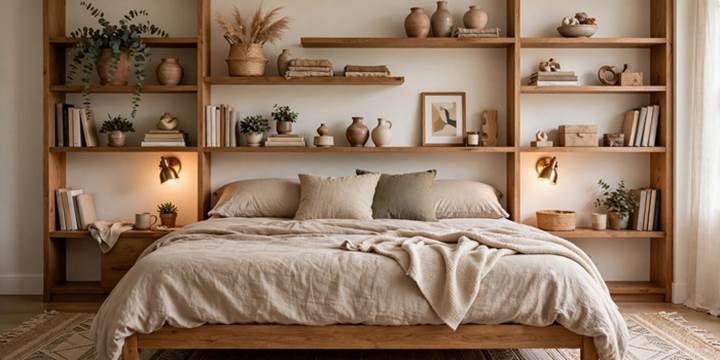
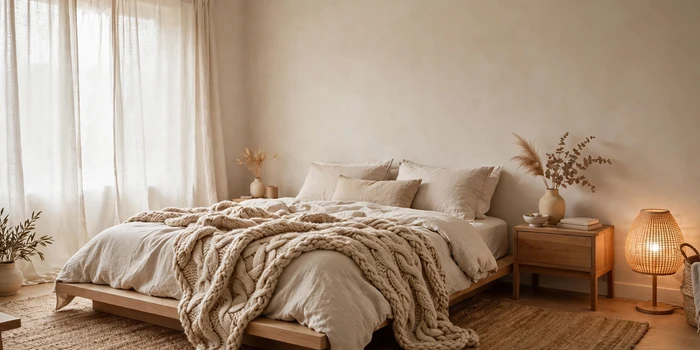
15 Warm & Simple Cozy Minimalist Bedroom Ideas
Simple Doesn’t Have to Mean Cold
Minimalism gets a bad reputation for feeling sterile, but a true cozy minimalist bedroom proves that clean lines and genuine warmth can coexist beautifully. This list moves beyond stark white walls and bare surfaces to show fifteen specific ways to keep a room uncluttered while still feeling soft, inviting, and lived-in. Whether you’re starting from scratch or editing down an existing space, these ideas focus on intentional warmth rather than empty restraint.
Why Cozy Minimalism Is Replacing Stark Minimalism
American homeowners are moving away from the all-white, ultra-sparse minimalism that dominated design feeds for years, favoring a softer, more textured version instead. This shift reflects a broader desire for spaces that feel calm without feeling cold or unfinished. Natural materials, layered lighting, and warm neutral palettes are replacing harsh white walls and bare concrete floors, proving that restraint and comfort can genuinely coexist in the same room.
1. Warm Neutral Color Palette
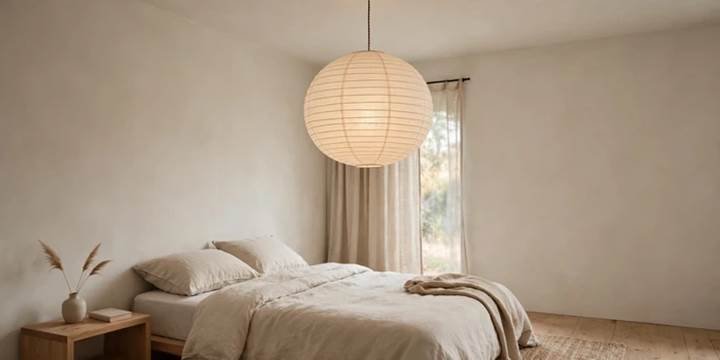
Skip stark white in favor of a warm neutral palette, creamy oatmeal, soft taupe, or warm greige, that feels gentler and more grounded on the walls. These tones still read as clean and minimal but avoid the clinical chill of pure white. Layer in a single deeper accent color through bedding or a throw to keep the palette from feeling flat or one-dimensional.
2. Low Platform Bed Frame
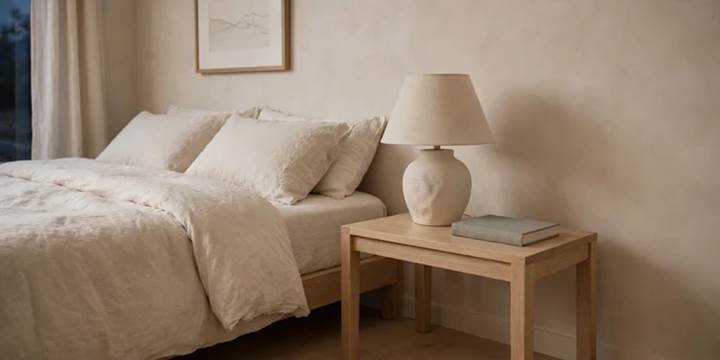
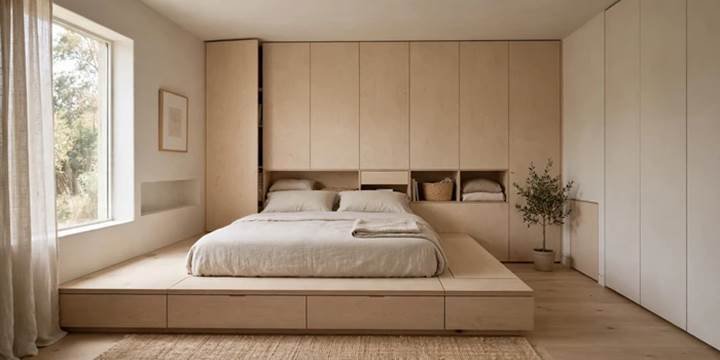
A low platform bed anchors the room with clean, simple lines while keeping the overall silhouette grounded and calm. Choose a warm wood tone rather than black or white lacquer for added softness. This style of bed frame also visually opens up the room, since its lower profile creates more perceived space above and around it, even in a smaller bedroom.
3. Layered Natural Textures
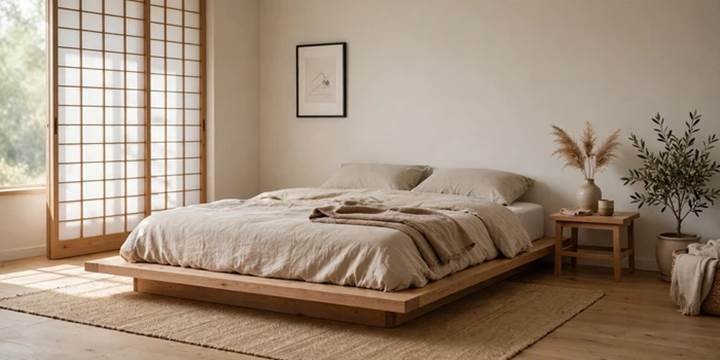
True coziness in a minimalist room comes from layered natural textures, a wool throw, a linen duvet, a jute rug, rather than pattern or color. Stack two or three different textures in similar neutral tones so the room stays visually calm while still feeling tactile and inviting. This layering technique is what separates a cozy minimalist space from one that simply feels empty.
4. Single Statement Lighting Fixture
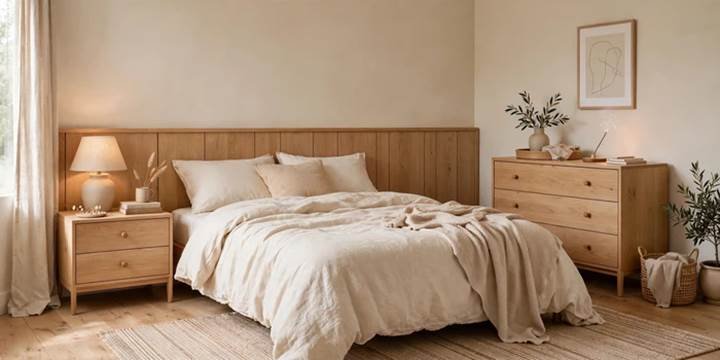
Rather than multiple competing light sources, choose one statement lighting fixture, an oversized pendant or a sculptural floor lamp, and let it do the visual work. This restraint keeps the room feeling edited and intentional. Pair the statement piece with a warm bulb temperature rather than cool white light, since warmer lighting contributes enormously to the room’s overall cozy feeling.
5. Hidden or Minimal Storage
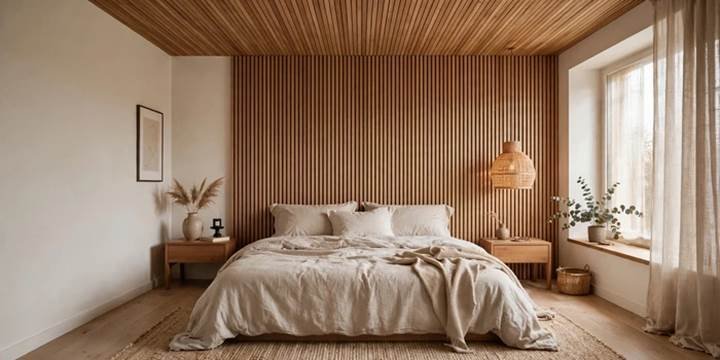
Keep surfaces clear by choosing hidden or built in storage solutions, a storage bed frame, a closed wardrobe, or under bed bins, rather than open shelving that invites visual clutter. This approach supports the minimalist goal of a calm, uncluttered room while still accommodating everyday belongings. The less visible clutter in a room, the cozier and more restful it tends to feel over time.
6. Oversized Knit Throw Blanket
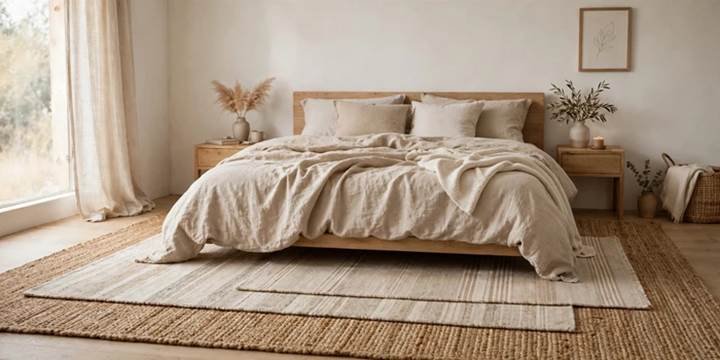
A single oversized knit throw, draped loosely across the foot of the bed or an accent chair, adds immediate tactile warmth without introducing visual clutter. Choose a chunky, textured knit in a neutral tone that complements the room’s existing palette. This one piece often does more to make a minimalist room feel cozy than several smaller decorative accents combined.
7. Soft, Diffused Window Treatments
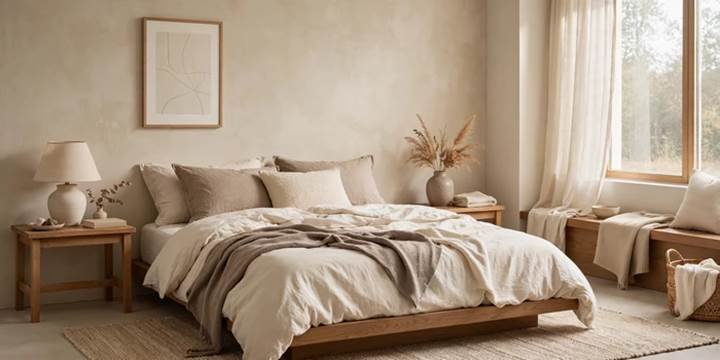
Replace harsh blinds or bare windows with soft, diffused curtains in a linen or cotton blend that filters natural light gently throughout the day. This creates a warmer, more inviting atmosphere than direct, unfiltered sunlight or stark metal blinds. Choose curtains that pool slightly at the floor rather than hanging perfectly straight, since the relaxed drape adds subtle softness to the room.
8. Wood Tone Furniture Accents
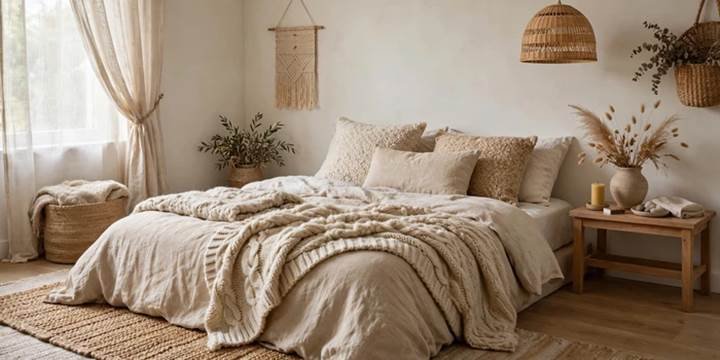
Introduce warmth through wood tone furniture, a nightstand, a bench, or a simple dresser, rather than metal or high gloss finishes. Wood grain adds organic texture and visual interest without disrupting the room’s clean, minimal lines. Choose pieces with simple, unadorned silhouettes so the wood tone itself provides the warmth rather than ornate detailing that would clash with minimalist principles.
9. Single Piece of Meaningful Art
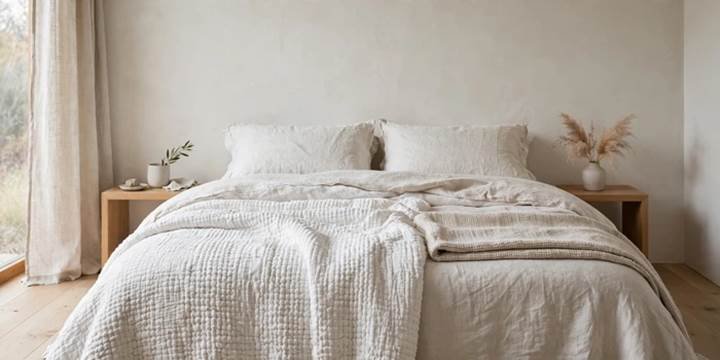
Rather than a full gallery wall, hang one meaningful piece of art above the bed or dresser, giving the room a personal focal point without visual overload. Choose a piece with warm, muted tones that complement the room’s palette rather than high contrast or busy imagery. This restraint keeps the room feeling curated and intentional rather than sparse or unfinished.
10. Ceramic and Stoneware Accents
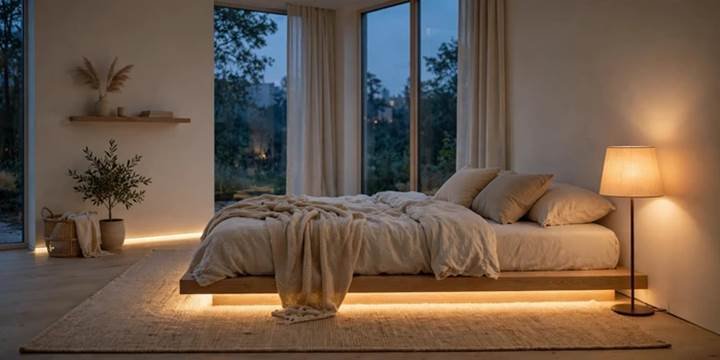
Small ceramic or stoneware accents, a simple vase, a textured bowl, or a handmade candle holder, bring organic warmth to a nightstand or dresser top without cluttering the surface. Choose pieces with matte, earthy finishes rather than glossy or brightly colored options. Limiting yourself to just two or three pieces keeps the styling restrained while still adding genuine tactile interest.
11. Layered Area Rug
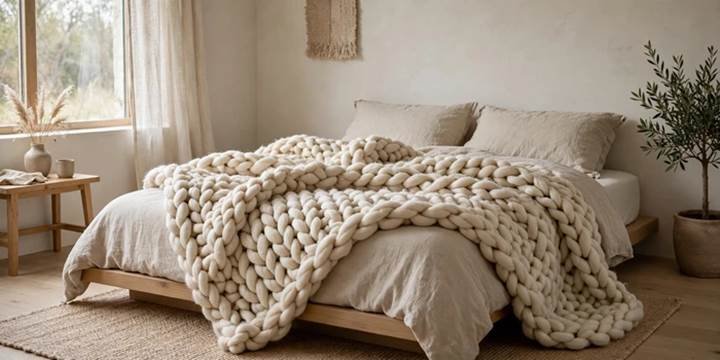
A soft, natural fiber area rug layered beneath the bed adds warmth underfoot and visually grounds the furniture arrangement. Choose a rug in a warm neutral tone with subtle texture, like a chunky wool weave, rather than a bold pattern that would compete with the room’s minimal aesthetic. This is one of the simplest, most effective ways to soften a minimalist bedroom’s overall feel.
12. Warm Wood Ceiling or Wall Paneling
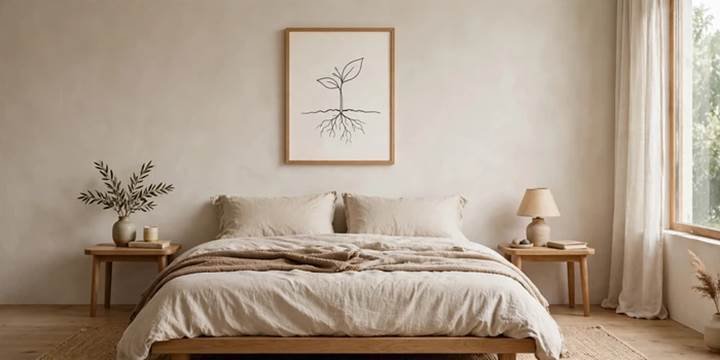
For a more architectural approach, wood paneling on a single wall or the ceiling introduces warmth and texture through material rather than color or pattern. Choose a simple slat or tongue and groove style in a light to medium wood tone for the most current, minimal-friendly interpretation. This upgrade requires more investment but delivers a genuinely elevated, spa like result.
13. Minimal Bedding in Tactile Fabrics
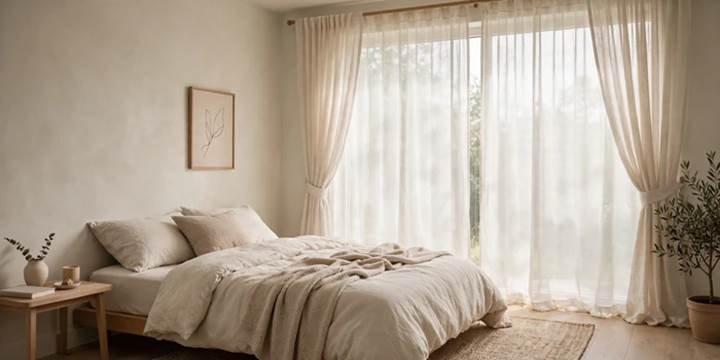
Choose bedding in tactile, natural fabrics, linen, waffle weave cotton, or brushed flannel, over synthetic blends, since the fabrics’ texture itself contributes to coziness even in a simple white or neutral colorway. Stick to one or two colors maximum across the bedding to maintain the room’s minimal foundation while still achieving genuine tactile comfort and softness.
14. Soft Ambient Floor Lighting
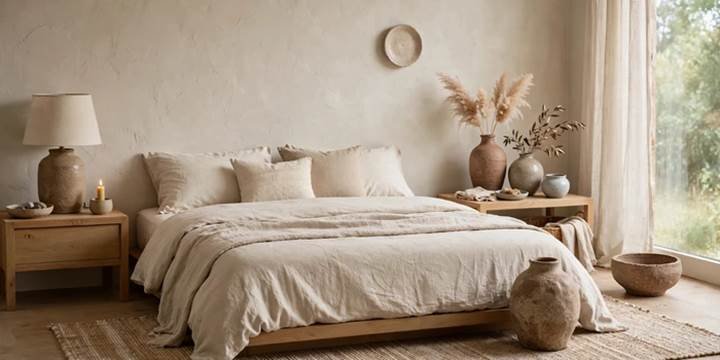
Add a small floor lamp or table lamp at a lower height to create soft, ambient lighting that feels warmer and more intimate than overhead lighting alone. This layered lighting approach, rather than relying on a single bright ceiling fixture, transforms the mood of a minimalist room dramatically in the evening, making the space feel calmer and more restful without adding visual clutter.
15. Uncluttered Nightstand Styling
Keep nightstand styling to just two or three essential items, a small lamp, a candle, and perhaps one book, resisting the urge to display every trinket or accessory. This disciplined approach to surface styling is central to what makes a room read as genuinely minimalist rather than simply under decorated, and it keeps the bedside area feeling calm and functional rather than cluttered.
Cozy Minimalist Bedroom Comparison Table
| Idea | Best For | Style/Room Type |
| Warm Neutral Color Palette | Softening stark minimalism | Any bedroom |
| Low Platform Bed Frame | Clean, grounded silhouettes | Any bedroom |
| Layered Natural Textures | Tactile warmth without clutter | Any bedroom |
| Single Statement Lighting Fixture | Intentional focal points | Any bedroom |
| Hidden or Minimal Storage | Clutter-free surfaces | Small bedroom |
| Oversized Knit Throw Blanket | Instant tactile coziness | Any bedroom |
| Soft, Diffused Window Treatments | Gentle natural light | Any bedroom |
| Wood Tone Furniture Accents | Organic warmth | Any bedroom |
| Single Piece of Meaningful Art | Personal, curated focal points | Any bedroom |
| Ceramic and Stoneware Accents | Restrained surface styling | Any bedroom |
| Layered Area Rug | Underfoot warmth | Any bedroom |
| Warm Wood Ceiling or Wall Paneling | Architectural texture | Primary bedroom |
| Minimal Bedding in Tactile Fabrics | Comfort without pattern | Any bedroom |
| Soft Ambient Floor Lighting | Evening warmth and mood | Any bedroom |
| Uncluttered Nightstand Styling | Disciplined surface editing | Any bedroom |
Frequently Asked Questions
How do I make a minimalist bedroom feel cozy instead of cold?
Focus on texture over decoration, layer a wool throw, a linen duvet, and a natural fiber rug in warm neutral tones rather than adding more objects to the room. Warm lighting also plays a huge role, swap cool white bulbs for warmer tones and add a lower, ambient light source. The goal is sensory warmth through materials and light, not visual clutter through more accessories.
What colors work best for a cozy minimalist bedroom?
Warm neutrals like creamy oatmeal, soft taupe, warm greige, and gentle beige tend to work best, since they maintain a clean, minimal foundation while avoiding the clinical chill of stark white. A single deeper accent color, like a muted terracotta or forest green, introduced through bedding or a throw, adds warmth and depth without disrupting the room’s overall restrained, minimalist palette.
How much furniture should be in a minimalist bedroom?
A minimalist bedroom typically includes only essential pieces, a bed, one nightstand or a pair, and either a dresser or a closet system, avoiding excess furniture that isn’t regularly used. The goal is intentional function over decorative bulk. If a piece doesn’t serve a clear daily purpose, it likely doesn’t belong in the room, which keeps the overall space feeling calm and uncluttered.
Is minimalist bedroom decor good for small bedrooms?
Yes, minimalist design is particularly well suited to small bedrooms, since fewer furniture pieces and clear surfaces make a tight space feel larger and calmer. Choosing hidden storage over open shelving and sticking to a light, warm neutral palette both enhance this effect further. The discipline of minimalism naturally addresses many of the visual clutter issues that make small bedrooms feel cramped in the first place.
How much does it cost to create a cozy minimalist bedroom?
A basic refresh using new bedding, a throw blanket, and warm lighting typically costs between 150 and 400 dollars and can be completed in a single weekend. A fuller room transformation, including a platform bed frame and wood furniture, generally runs 1,200 to 3,500 dollars and takes one to two weeks. Hiring a designer for a complete cozy minimalist redesign typically costs 4,000 dollars or more, depending on room size and material choices.
Why Trust This Guide
This guide was researched and written by a home decor writer who has spent years studying minimalist design principles and testing how warmth and restraint can coexist in real bedrooms across a range of budgets. Every idea included here reflects genuine trial and error rather than theory alone, with a consistent focus on rooms that feel calm and lived-in rather than sparse or unfinished. The goal is always a space that feels both simple and genuinely restful.
Cost & Time to Achieve This Look
A basic DIY cozy minimalist refresh using bedding, a throw blanket, and layered lighting typically costs between 150 and 450 dollars and takes a single weekend to complete. A more complete DIY transformation, including a platform bed frame, rug, and wood furniture, generally runs 1,200 to 3,500 dollars and takes one to three weeks depending on furniture availability. Hiring a professional designer for a full cozy minimalist redesign typically costs 4,000 to 10,000 dollars, with most projects completed within four to six weeks.
Ready to Simplify Without Losing Warmth?
A cozy minimalist bedroom proves that less really can feel like more, as long as every remaining piece is chosen with intention and warmth in mind. Start with texture and lighting before worrying about furniture or paint, since those two elements alone can transform how restful a simple room feels. If this guide helped clarify your direction, save it to Pinterest so you can return to it as your space comes together.