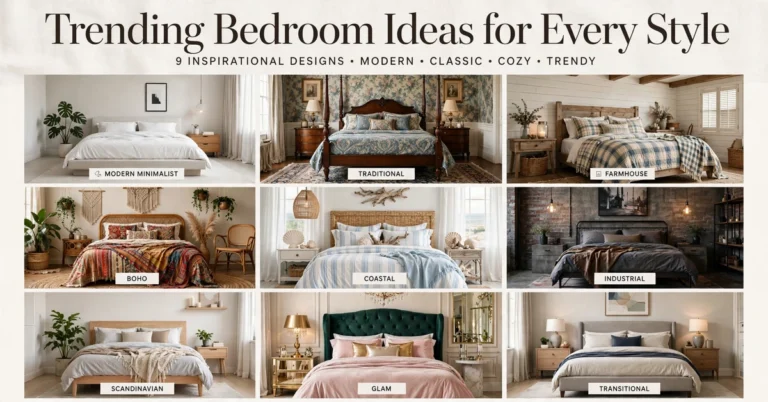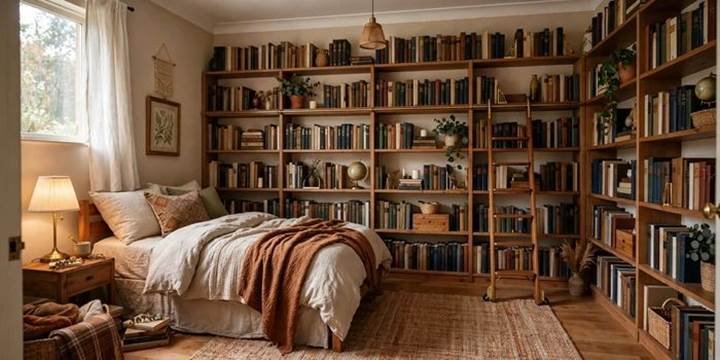
15 Trending Bedroom Design Ideas for a Stylish Retreat
Great bedroom design ideas go far beyond picking a paint color and calling it done. The best bedrooms balance layout, lighting, texture, and personal style into a space that genuinely feels restful. This list focuses on the design principles that make a room work, not just isolated decor choices, so you walk away with a real strategy for your space rather than a scattered collection of trends to chase individually.
Bedroom design across the US continues to shift toward intentional, layout-driven spaces rather than purely decorative ones. Homeowners are paying closer attention to furniture placement, natural light, and material choices, treating the bedroom as a true retreat rather than an afterthought. This trend favors quality over quantity, with fewer, better pieces replacing cluttered surfaces, and a growing interest in how a room actually functions throughout the day and night.
1. Start With Proper Furniture Scale
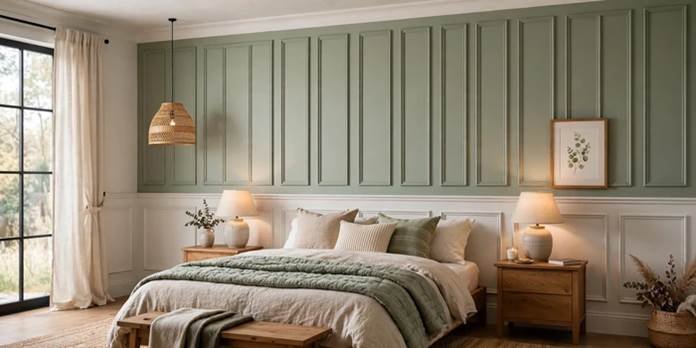
Choosing furniture that’s properly scaled to the room is one of the most overlooked bedroom design ideas, yet it affects how a space feels more than almost any decor choice. An oversized bed in a small room feels cramped, while undersized furniture in a large room feels sparse and disconnected. Measuring the room carefully before buying anything prevents this common and costly mistake.
2. Establish a Clear Focal Point
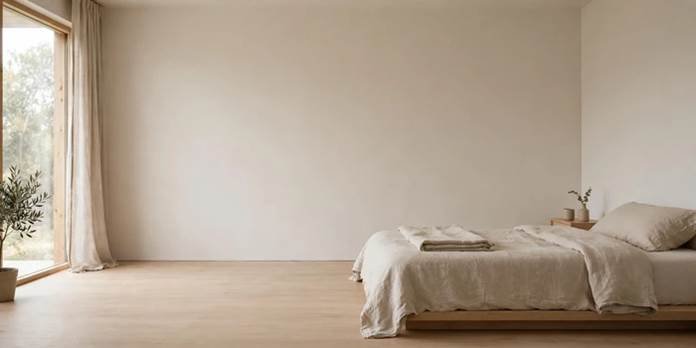
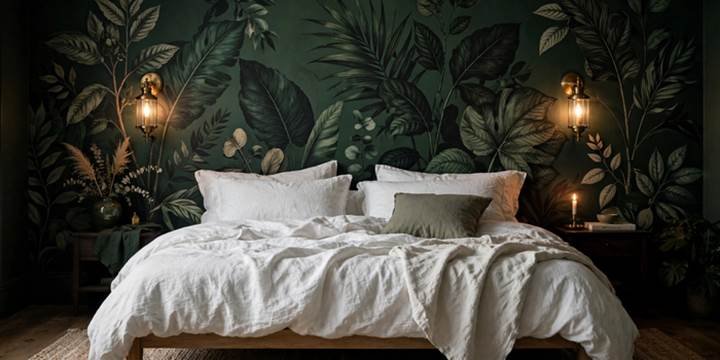
Every well designed bedroom needs a clear focal point, whether that’s the headboard, a statement window, or an accent wall. Arranging furniture and lighting to draw the eye toward this single feature creates a sense of intention rather than visual clutter. Without a defined focal point, a room can feel busy or directionless, even if every individual piece is beautiful on its own.
3. Prioritize Layered Lighting
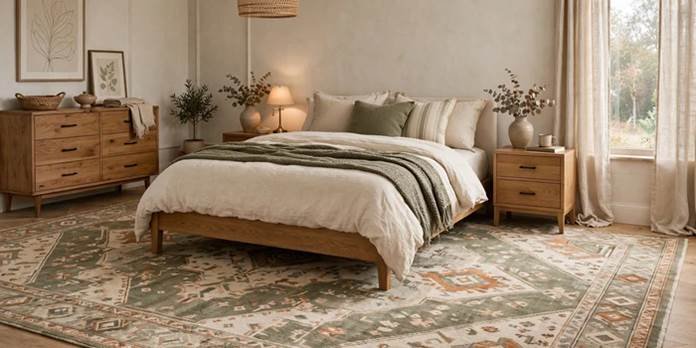
Layered lighting, combining ambient, task, and accent sources, transforms a bedroom’s mood far more effectively than a single overhead fixture ever could. A dimmable ceiling light paired with bedside lamps and perhaps a floor lamp in a reading corner gives you full control over the room’s atmosphere at different times of day. This principle ranks among the most impactful bedroom design ideas for everyday livability.
4. Define a Cohesive Color Story
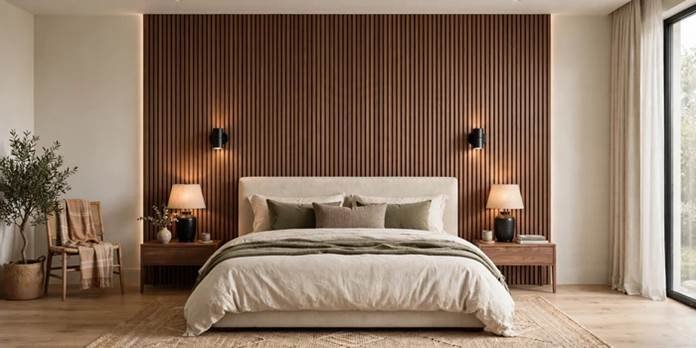
A cohesive color story, typically two to three main tones plus one accent, keeps a bedroom feeling intentional rather than chaotic. Choosing colors that share similar undertones, whether warm or cool, prevents clashing and creates a sense of flow throughout the space. This foundational design principle applies whether you’re working with bold, saturated colors or a soft, muted neutral palette.
5. Balance Symmetry and Asymmetry
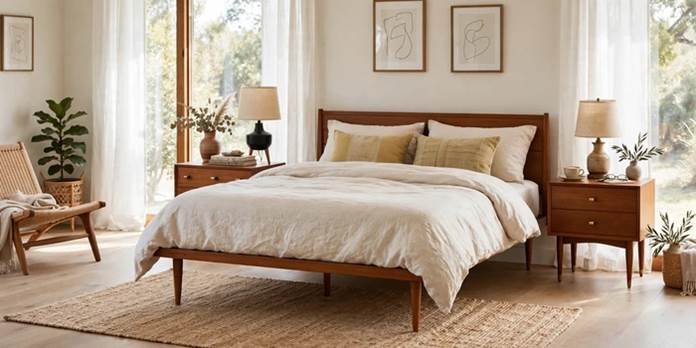
Good bedroom design often relies on balancing symmetry and asymmetry rather than choosing one exclusively. Matching nightstands and lamps on either side of the bed create calm, intentional symmetry, while an asymmetrical gallery wall or an off center reading chair adds visual interest. This mix keeps a room feeling organized without tipping into stiff or overly formal territory.
6. Incorporate Multiple Textures
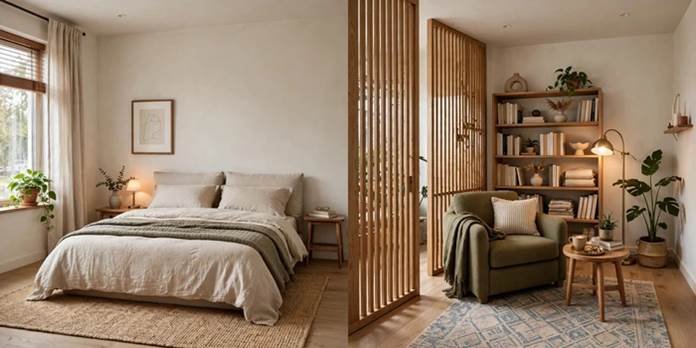
Relying on texture, rather than just color, is one of the most sophisticated bedroom design ideas for adding depth to a room. Combining smooth linen, nubby wool, warm wood, and soft velvet creates visual and tactile interest even within a limited color palette. Rooms that rely on a single flat texture throughout tend to feel underdeveloped, no matter how well chosen the colors are.
7. Choose a Rug That Anchors the Room
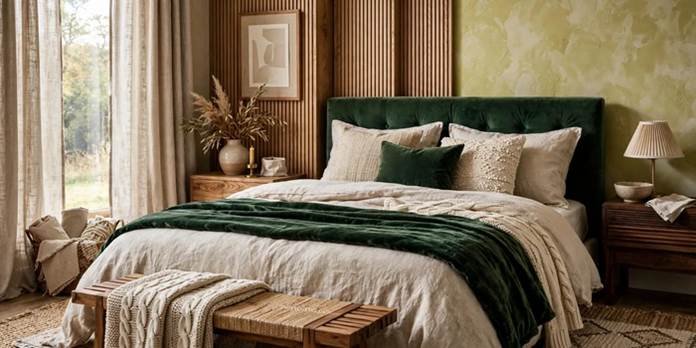
Selecting a properly sized area rug that extends well beyond the bed frame anchors the furniture layout and prevents the room from feeling disjointed. A rug that’s too small makes the space look like the furniture is floating on an island. This is a small but critical bedroom design idea that significantly affects how grounded and finished the whole room feels.
8. Add Window Treatments That Fit the Room’s Scale
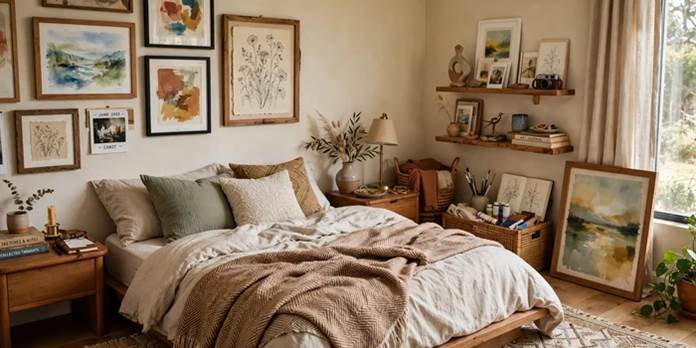
Properly scaled window treatments, curtains hung high and wide rather than tight against a small window, elongate the walls and make ceilings feel taller. Choosing fabric weight appropriate to the room’s function, sheer for light filled spaces, heavier for better insulation and privacy, also matters. This detail is frequently underestimated despite being one of the more transformative bedroom design ideas available.
9. Create Zones Within the Room
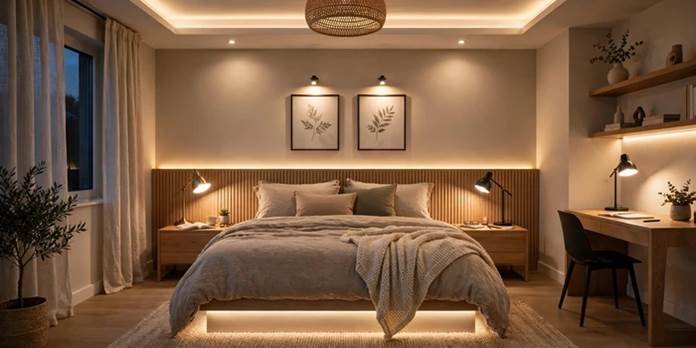
In larger bedrooms, creating distinct zones, a sleeping area, a reading nook, a vanity corner, helps the space feel purposeful rather than just large and undefined. Using a rug, a change in lighting, or furniture placement to visually separate these zones adds structure without requiring walls or major renovation. This approach works especially well in primary suites with extra square footage to work with.
10. Use Mirrors Strategically
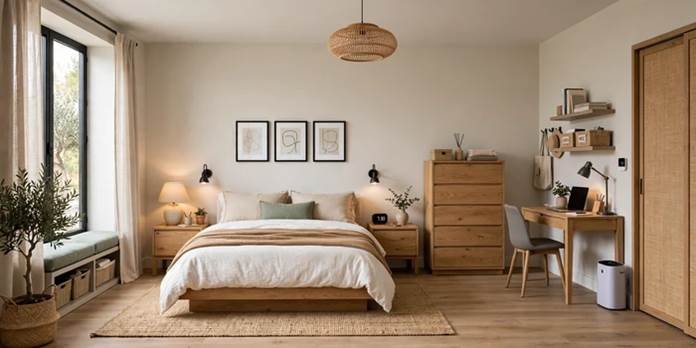
Beyond function, strategically placed mirrors amplify natural light and add depth to a bedroom’s overall design. Positioning a mirror to reflect a window or a beautiful piece of art doubles its visual impact. Oversized leaning mirrors have become a favorite among current bedroom design ideas for their ability to add both practicality and a relaxed, layered aesthetic in one simple addition.
11. Invest in Quality Bedding as the Design Centerpiece
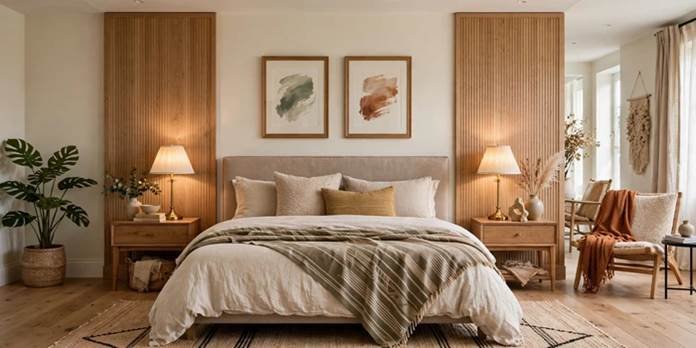
Since the bed dominates the room visually, quality bedding deserves as much design consideration as any furniture piece. Choosing a duvet, sheets, and pillow arrangement in complementary tones and textures elevates the entire room’s perceived design level. This is one of the highest impact, lowest cost bedroom design ideas, since bedding can be updated seasonally without touching furniture or paint.
12. Add Architectural Interest With Molding or Paneling
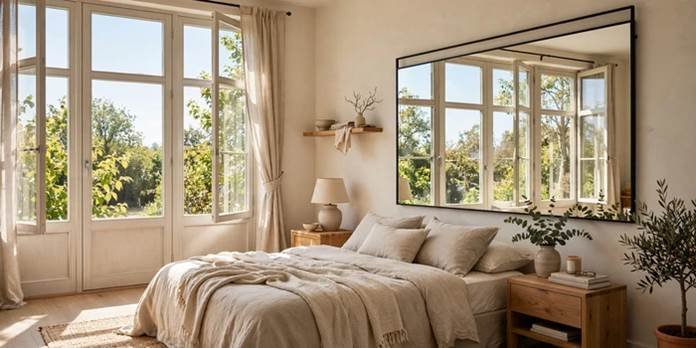
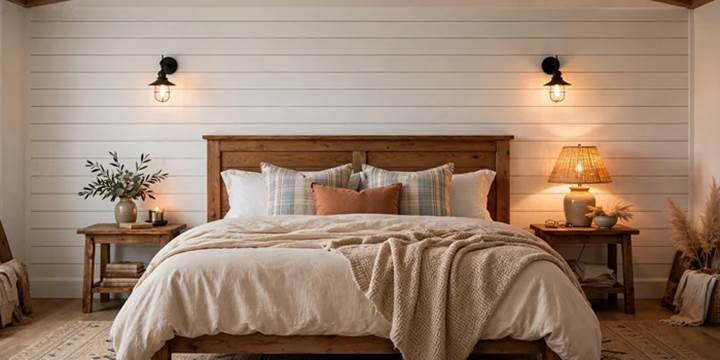
Wall molding or paneling, whether classic picture frame trim or simple vertical slats, adds architectural interest to bedrooms that might otherwise feel flat or builder basic. This detail works particularly well behind a headboard, creating a built in focal point without needing artwork. Though more involved than other ideas on this list, it delivers a noticeably custom, elevated result.
13. Choose Furniture With Visible Legs
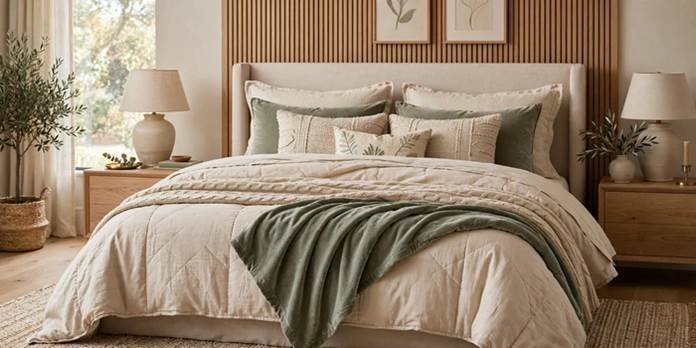
Furniture with visible legs, rather than pieces that sit flush to the floor, makes a bedroom feel lighter and more open, since sightlines extend underneath rather than stopping at a solid base. This applies to beds, dressers, and accent chairs alike. It’s a subtle but reliable bedroom design idea for keeping a room from feeling heavy or visually congested, especially in smaller footprints.
14. Incorporate Personal Art and Objects Thoughtfully
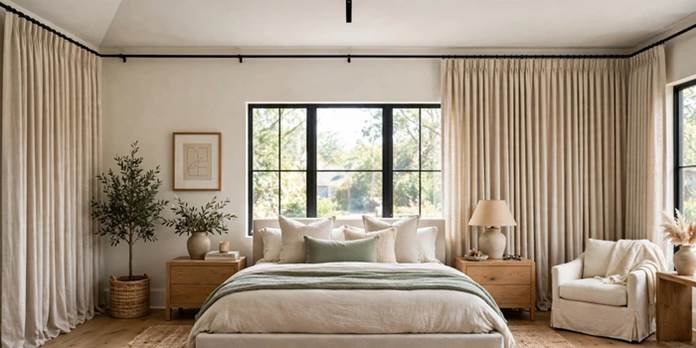
Thoughtfully placed personal art and meaningful objects prevent a well designed bedroom from feeling like a generic showroom. Choosing a few pieces that genuinely reflect your taste, rather than filling every wall, keeps the room feeling curated rather than cluttered. This balance between polished design and authentic personality is what separates a truly successful bedroom from one that simply looks good in photos.
15. Plan for Negative Space
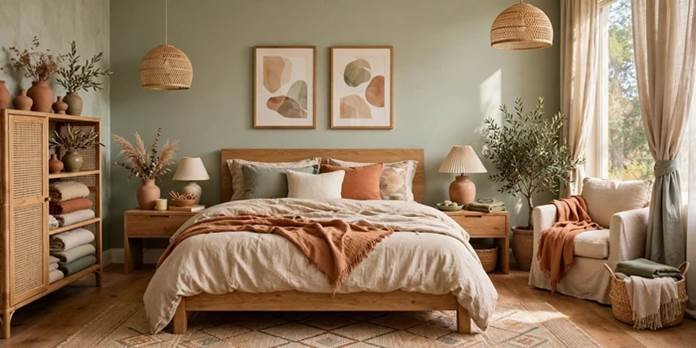
Leaving intentional negative space, areas of the room left deliberately open rather than filled with furniture or decor, is a hallmark of confident, well executed bedroom design. Empty space allows the eye to rest and lets your key design choices stand out rather than competing for attention. This principle, more than any single decor item, is what makes a room feel calm rather than crowded.
Bedroom Design Ideas at a Glance
| Idea | Best For | Style / Room Type |
| Proper furniture scale | Avoiding cramped or sparse rooms | Any bedroom size |
| Clear focal point | Adding visual direction | Any bedroom style |
| Layered lighting | Controlling mood and atmosphere | Any bedroom |
| Cohesive color story | Preventing visual clutter | Any bedroom style |
| Balanced symmetry and asymmetry | Adding calm with visual interest | Transitional, modern |
| Multiple textures | Adding depth without more color | Neutral or minimalist rooms |
| Properly sized area rug | Anchoring the furniture layout | Any bedroom |
| Scaled window treatments | Elongating walls and windows | Any bedroom |
| Defined zones | Larger multipurpose bedrooms | Primary suites |
| Strategic mirror placement | Amplifying light and depth | Any bedroom style |
| Quality bedding as centerpiece | High-impact, low-cost design | Any bedroom |
| Molding or paneling | Adding architectural interest | Traditional, transitional |
| Furniture with visible legs | Keeping the room feeling open | Small or mid-sized rooms |
| Personal art and objects | Adding authentic personality | Any bedroom style |
| Intentional negative space | Creating a calm, uncluttered feel | Minimalist, modern |
Frequently Asked Questions
What are the basic principles of good bedroom design?
Good bedroom design relies on proper furniture scale, a clear focal point, layered lighting, and a cohesive color palette. Texture and negative space also play a major role in how finished and intentional a room feels. Rather than focusing on individual decor pieces, successful bedroom design ideas consider how all these elements work together to create a balanced, functional, and genuinely restful space.
How do I design a bedroom that feels professionally done?
Focus on scale, layering, and restraint rather than filling every surface with decor. Choose furniture proportional to the room, layer lighting instead of relying on one fixture, and leave some negative space rather than crowding every wall. Professional feeling rooms also tend to stick to a cohesive color story with two or three tones, which prevents the space from feeling busy or mismatched.
What is the most important element of bedroom design?
While opinions vary, lighting is frequently cited as the single most transformative element in bedroom design. Layered lighting, ambient, task, and accent, affects mood, function, and the perceived quality of every other design choice in the room. A beautifully decorated bedroom with poor lighting rarely feels as finished as a simpler room with thoughtfully layered light sources throughout.
How much negative space should a bedroom have?
There’s no strict formula, but designers generally recommend leaving at least some open floor and wall space rather than filling every available surface. A helpful guideline is ensuring clear walking paths around the bed and avoiding overcrowded walls with too much art or decor. This breathing room allows key design choices to stand out and keeps the room feeling calm rather than cluttered.
Should I hire a designer or DIY my bedroom design?
Many bedroom design ideas, layout, color, lighting, and texture, can be executed successfully as a DIY project with careful planning and measurement. Hiring a designer makes more sense for complex projects like custom millwork, structural changes, or if you’re short on time and want expert guidance. A hybrid approach, DIY styling with a one time design consultation, often offers the best balance of cost and results.
Why Trust This Guide
This guide was written by a home decor content creator with years of hands on experience designing and redesigning bedrooms across rentals, starter homes, and full renovations. Every principle shared here has been tested in real spaces with real budget and layout constraints, not staged for a photo shoot. The recommendations combine practical design experience with ongoing research into current trends, ensuring the advice is both genuinely useful and grounded in real-life results.
Cost and Time to Achieve These Ideas
Most bedroom design ideas on this list can be implemented affordably and within a weekend. DIY updates like layered lighting, a new rug, or quality bedding typically cost between 100 and 400 dollars and take a single afternoon to style. Adding wall molding or paneling yourself usually runs 150 to 400 dollars in materials and takes a full weekend to complete properly. Hiring a professional for custom millwork or paneling generally costs 500 to 1,500 dollars depending on room size, completed within a few days. A full design consultation with a professional, covering layout, color, and furniture selection, typically ranges from 300 to 1,200 dollars and takes one to two weeks from planning to final execution.
Final Thoughts
Strong bedroom design ideas aren’t about chasing every trend, they’re about understanding scale, light, texture, and space well enough to make intentional choices for your own room. Whether you start with better lighting or a properly sized rug, small design shifts add up to a space that feels genuinely restful and considered. If this guide gave you a clearer direction for your own bedroom, save or pin it so you can return to it as you plan your next update.